Drug development
Recent articles
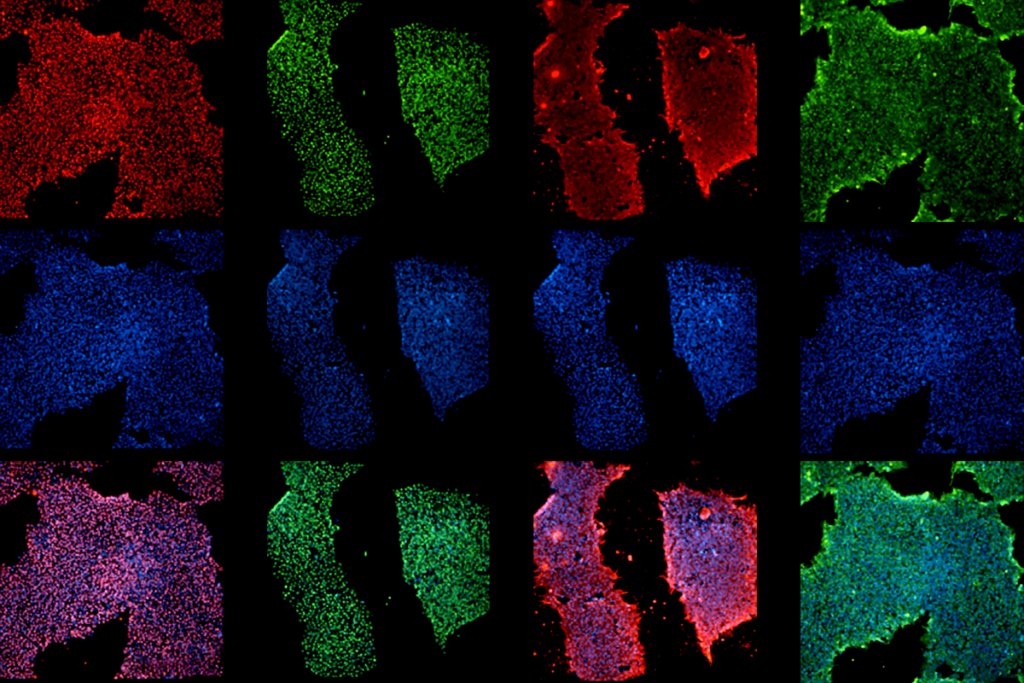
Bringing African ancestry into cellular neuroscience
Two independent teams in Africa are developing stem cell lines and organoids from local populations to explore neurodevelopmental and neurodegenerative conditions.
Bringing African ancestry into cellular neuroscience
Two independent teams in Africa are developing stem cell lines and organoids from local populations to explore neurodevelopmental and neurodegenerative conditions.
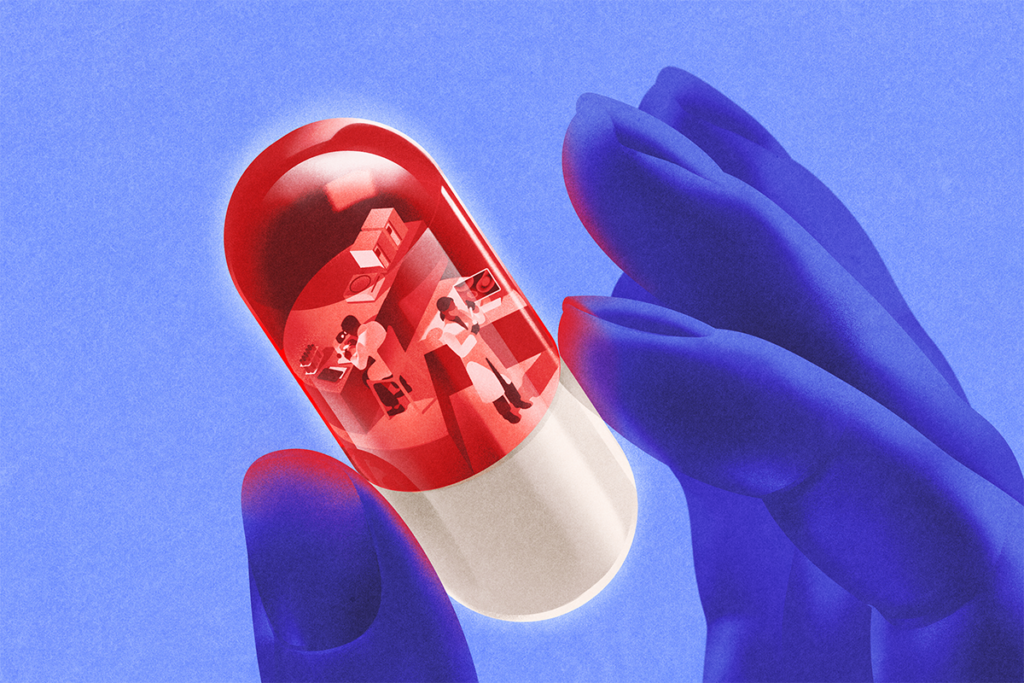
How basic neuroscience has paved the path to new drugs
A growing list of medications—such as zuranolone for postpartum depression, suzetrigine for pain, and the gepants class of migraine medicines—exist because of insights from basic research.
How basic neuroscience has paved the path to new drugs
A growing list of medications—such as zuranolone for postpartum depression, suzetrigine for pain, and the gepants class of migraine medicines—exist because of insights from basic research.

Expediting clinical trials for profound autism: Q&A with Matthew State
Aligning Research to Impact Autism, a new initiative funded by the Sergey Brin Family Foundation, wants to bring basic science discoveries to the clinic faster.
Expediting clinical trials for profound autism: Q&A with Matthew State
Aligning Research to Impact Autism, a new initiative funded by the Sergey Brin Family Foundation, wants to bring basic science discoveries to the clinic faster.
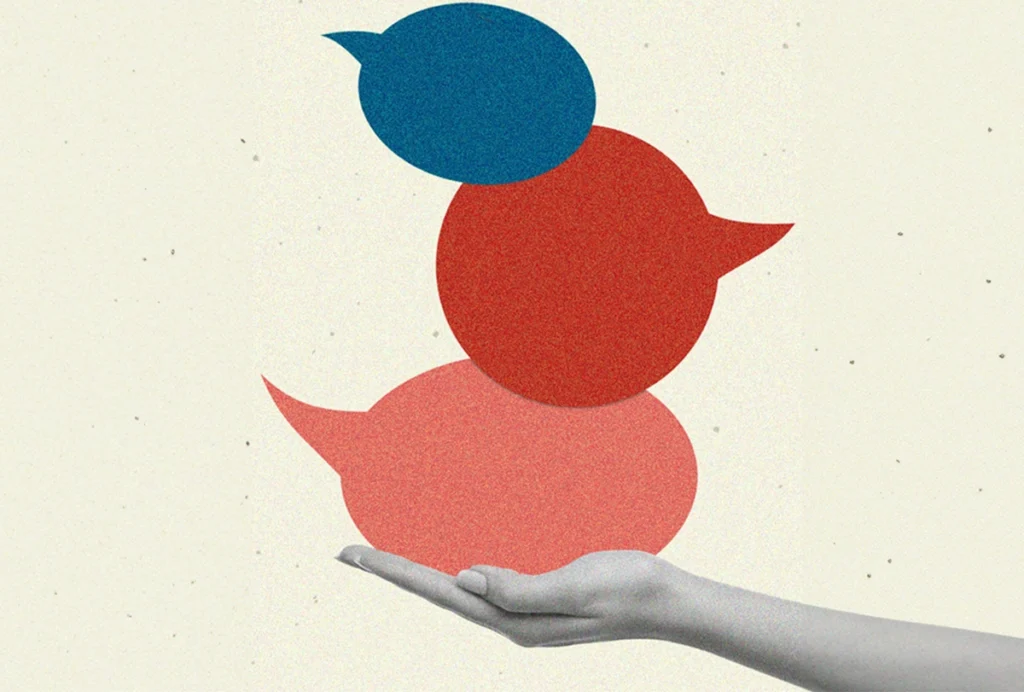
Leveraging the power of community to strengthen clinical trials for rare genetic syndromes
Families can become not only participants but champions of these research efforts.
Leveraging the power of community to strengthen clinical trials for rare genetic syndromes
Families can become not only participants but champions of these research efforts.
Explore more from The Transmitter
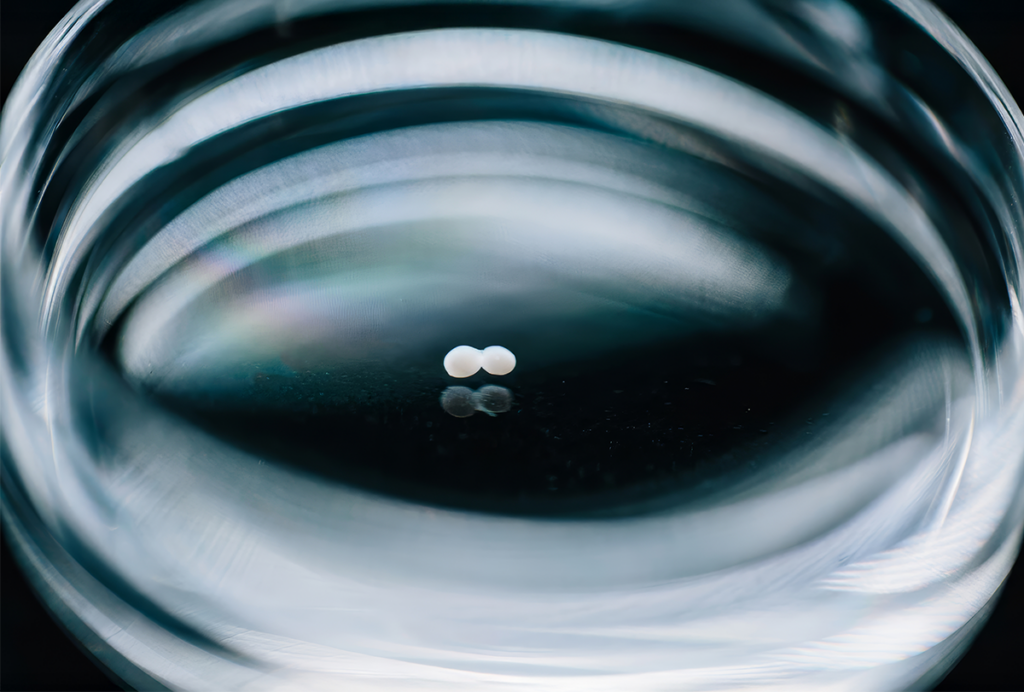
Funding for animal research alternatives reaches ‘inflection point’
The United States and Europe are dedicating hundreds of millions of dollars in funding to advance novel alternative methods, but not all neuroscientists see this as a positive step.
Funding for animal research alternatives reaches ‘inflection point’
The United States and Europe are dedicating hundreds of millions of dollars in funding to advance novel alternative methods, but not all neuroscientists see this as a positive step.

‘Friction-maxxing’ in school: Students should read primary literature, not AI summaries
Trainees need to learn how to identify a neuroscience paper’s major takeaways and integrate them into their understanding. This skill doesn’t come from outsourcing the work to large language models.
‘Friction-maxxing’ in school: Students should read primary literature, not AI summaries
Trainees need to learn how to identify a neuroscience paper’s major takeaways and integrate them into their understanding. This skill doesn’t come from outsourcing the work to large language models.
Head direction cells stably orient mice to outside world
The cells’ representations show little drift over time—unlike those of other navigation system neurons—and may provide a “rigid backbone” for more flexible sensory and cognitive responses.
Head direction cells stably orient mice to outside world
The cells’ representations show little drift over time—unlike those of other navigation system neurons—and may provide a “rigid backbone” for more flexible sensory and cognitive responses.