Limbic system
Recent articles
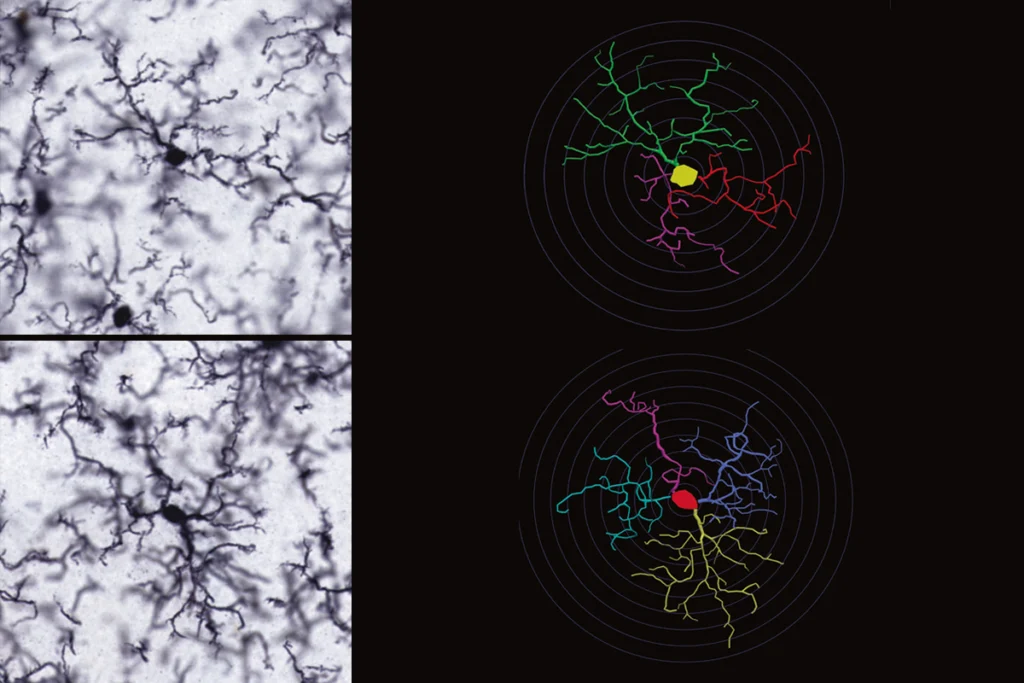
Temperament is innate but hackable, animal studies suggest
Emotional reactivity and vulnerability to stress are largely inherited in rodents — but can be modified in early life by targeting inflammation-related cells or even just adjusting an animal’s environment.
Temperament is innate but hackable, animal studies suggest
Emotional reactivity and vulnerability to stress are largely inherited in rodents — but can be modified in early life by targeting inflammation-related cells or even just adjusting an animal’s environment.
Explore more from The Transmitter
What a bird’s-eye view of half a million papers reveals about neuroscience
New research uses artificial-intellligence-driven bibliometrics to map the structural organization of neuroscience across 25 years. The field it reveals is at once thriving and theoretically adrift.
What a bird’s-eye view of half a million papers reveals about neuroscience
New research uses artificial-intellligence-driven bibliometrics to map the structural organization of neuroscience across 25 years. The field it reveals is at once thriving and theoretically adrift.
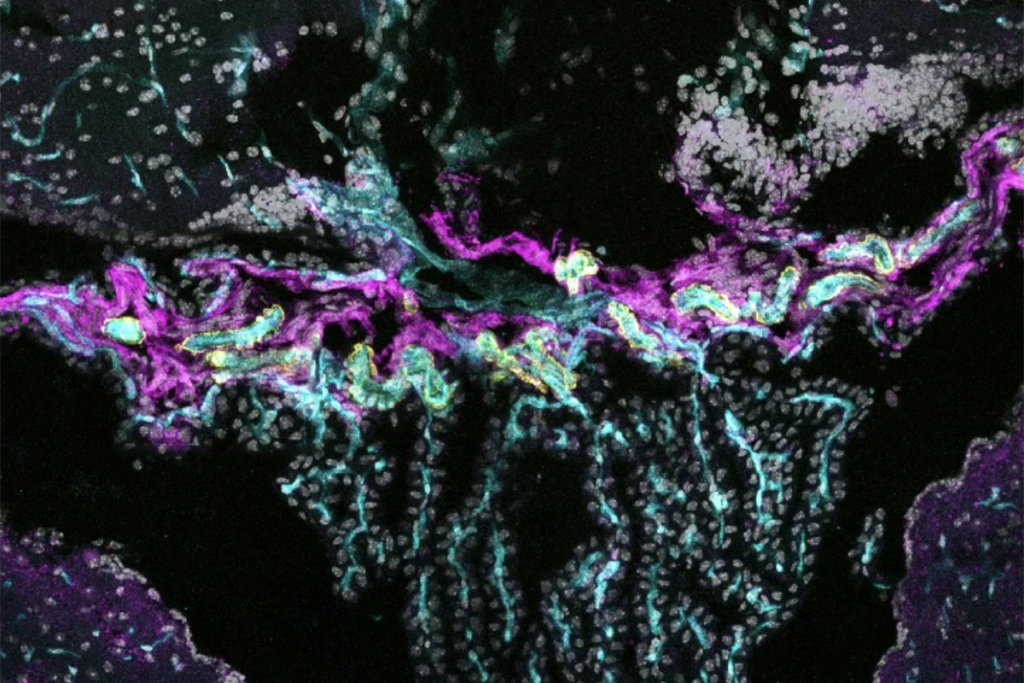
Newly identified barrier cells seal off choroid plexus from CSF, rest of brain
A long-overlooked layer of fibroblasts exists inside the choroid plexus of mice and humans, adding complexity to the area’s compartmentalization.
Newly identified barrier cells seal off choroid plexus from CSF, rest of brain
A long-overlooked layer of fibroblasts exists inside the choroid plexus of mice and humans, adding complexity to the area’s compartmentalization.
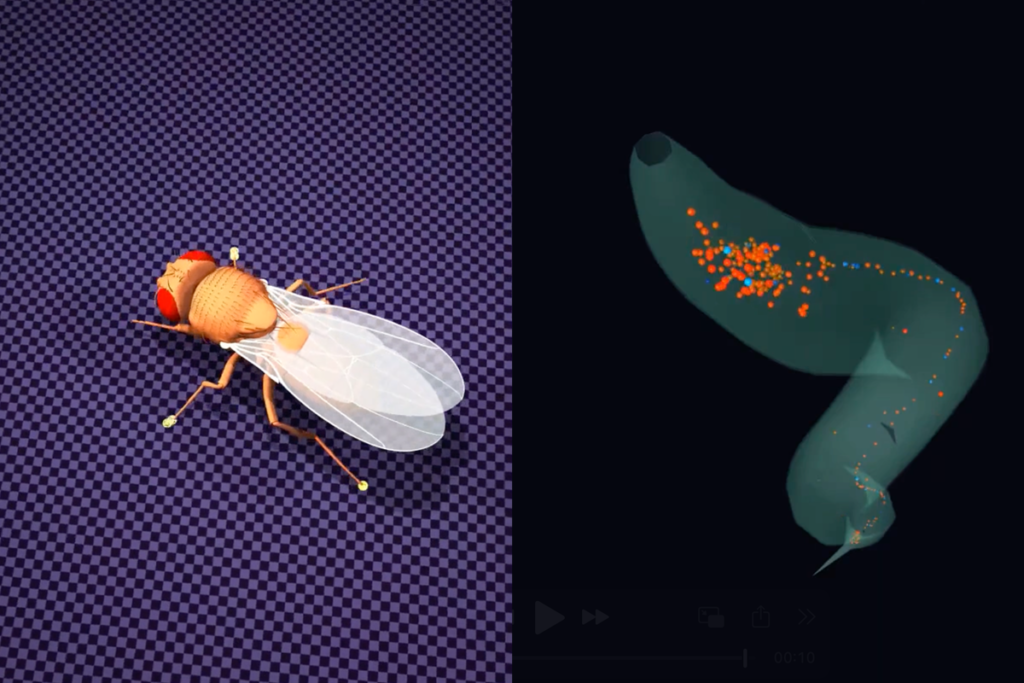
‘Digital sphinx’ raises questions about connectome models
The sphinx, with a worm’s brain and a fly’s body, illustrates the potential pitfalls of using deep-learning techniques to model biological processes.
‘Digital sphinx’ raises questions about connectome models
The sphinx, with a worm’s brain and a fly’s body, illustrates the potential pitfalls of using deep-learning techniques to model biological processes.