Neurology
Recent articles
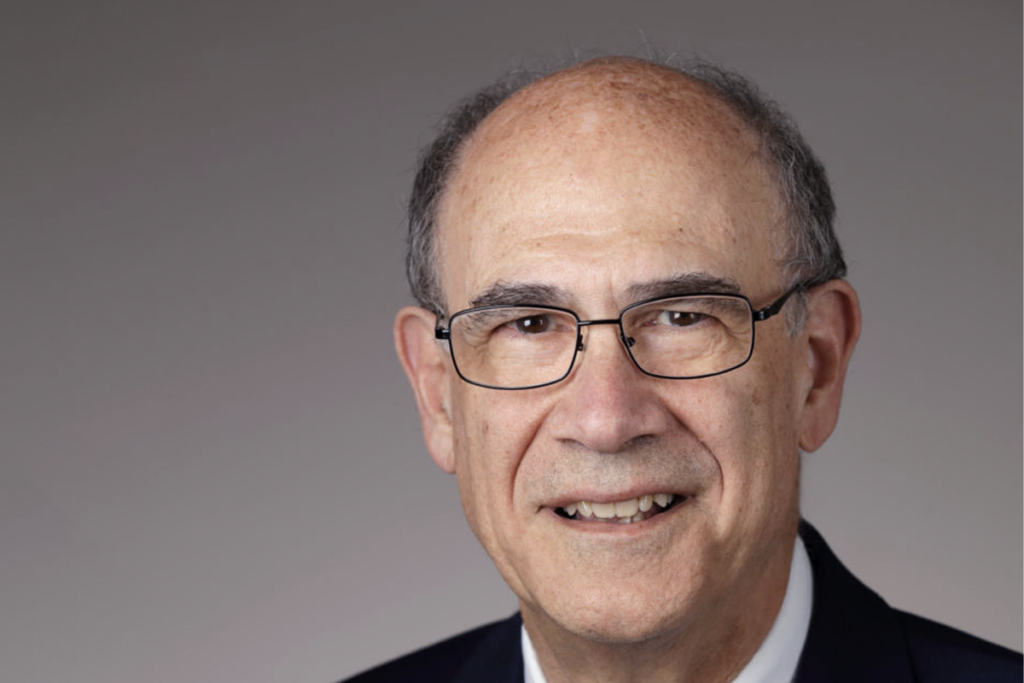
Remembering Mark Hallett, leader in transcranial magnetic stimulation
The long-time NINDS researcher, best known for studying movement disorders, has died at age 82.
Remembering Mark Hallett, leader in transcranial magnetic stimulation
The long-time NINDS researcher, best known for studying movement disorders, has died at age 82.

Sounding the alarm on pseudoreplication: Q&A with Constantinos Eleftheriou and Peter Kind
Most studies of neurological disorders in mice erroneously treat multiple samples from a single animal as independent replicates, according to a new analysis. But scientists and journals can take steps to curb this practice.
Sounding the alarm on pseudoreplication: Q&A with Constantinos Eleftheriou and Peter Kind
Most studies of neurological disorders in mice erroneously treat multiple samples from a single animal as independent replicates, according to a new analysis. But scientists and journals can take steps to curb this practice.
Explore more from The Transmitter

Securing the academic pipeline amid uncertain U.S. funding climate
Finding creative ways to keep early-career researchers in academia—for example, through part-time roles—can help the field weather the storm.
Securing the academic pipeline amid uncertain U.S. funding climate
Finding creative ways to keep early-career researchers in academia—for example, through part-time roles—can help the field weather the storm.

Let’s teach neuroscientists how to be thoughtful and fair reviewers
Blanco-Suárez revamped the traditional journal club by developing a course in which students peer review preprints alongside the published papers that evolved from them.
Let’s teach neuroscientists how to be thoughtful and fair reviewers
Blanco-Suárez revamped the traditional journal club by developing a course in which students peer review preprints alongside the published papers that evolved from them.

New autism committee positions itself as science-backed alternative to government group
The Independent Autism Coordinating Committee plans to meet at the same time as the U.S. federal Interagency Autism Coordinating Committee later this month—and offer its own research agenda.
New autism committee positions itself as science-backed alternative to government group
The Independent Autism Coordinating Committee plans to meet at the same time as the U.S. federal Interagency Autism Coordinating Committee later this month—and offer its own research agenda.