Sensory perception
Recent articles
Michael Shadlen explains how theory of mind ushers nonconscious thoughts into consciousness
All of our thoughts, mostly nonconscious, are interrogations of the world, Shadlen says. The opportunity to report our answers to ourselves or others brings a thought into conscious awareness.
Michael Shadlen explains how theory of mind ushers nonconscious thoughts into consciousness
All of our thoughts, mostly nonconscious, are interrogations of the world, Shadlen says. The opportunity to report our answers to ourselves or others brings a thought into conscious awareness.
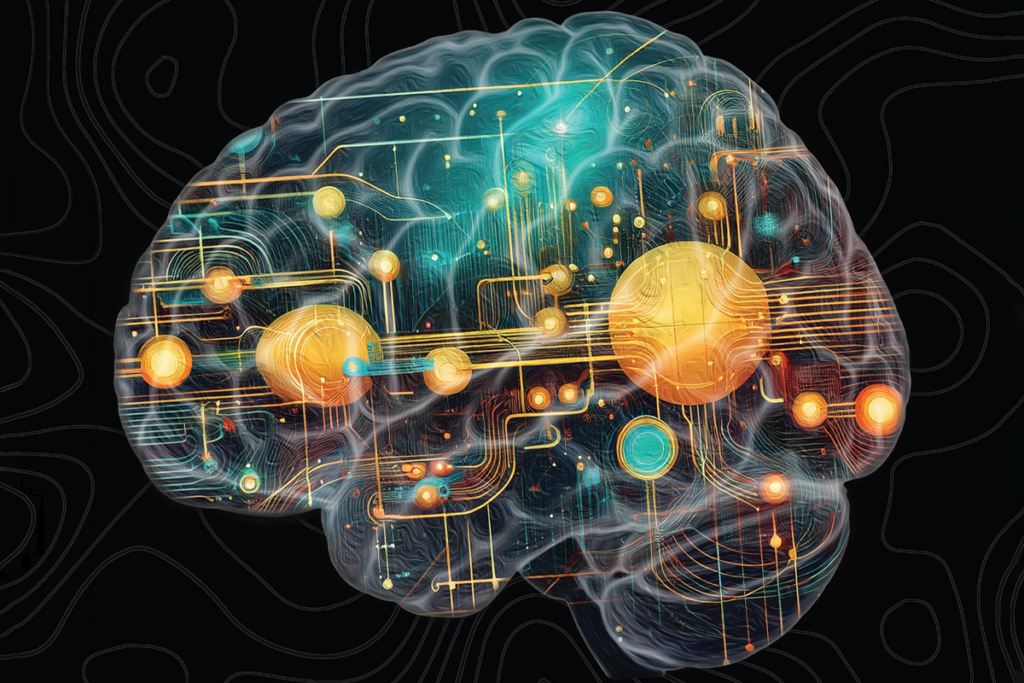
‘Wired for Words: The Neural Architecture of Language,’ an excerpt
In his new book, Hickok provides a detailed overview of the research into the circuits that control speech and language. In this excerpt from Chapter 5, he shares how meeting his colleague David Poeppel led to them developing the theory for bilateral speech perception.
‘Wired for Words: The Neural Architecture of Language,’ an excerpt
In his new book, Hickok provides a detailed overview of the research into the circuits that control speech and language. In this excerpt from Chapter 5, he shares how meeting his colleague David Poeppel led to them developing the theory for bilateral speech perception.
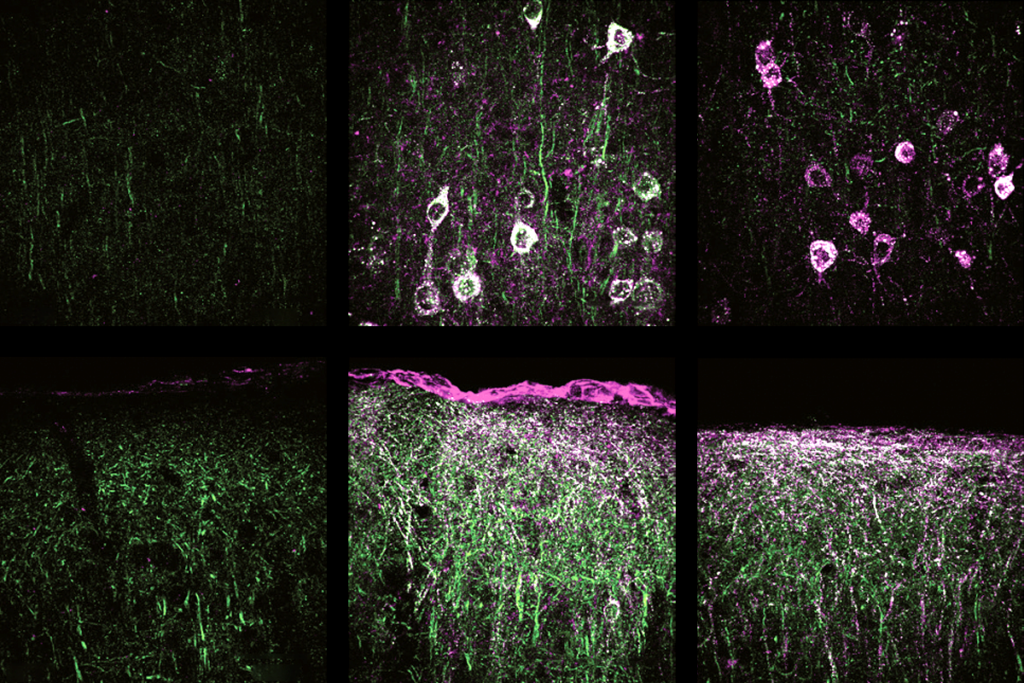
Gene replacement therapy normalizes some traits in SYNGAP1 model mice
The first published virus-based gene therapy for SYNGAP1 deletion yields benefits despite the gene’s long length and complexity.
Gene replacement therapy normalizes some traits in SYNGAP1 model mice
The first published virus-based gene therapy for SYNGAP1 deletion yields benefits despite the gene’s long length and complexity.
Ant olfactory neurons reveal new ‘transcriptional shield’ mechanism of gene regulation
A protective screen of spurious transcriptional activity enables each olfactory neuron to express exactly one out of hundreds of olfactory receptors.
Ant olfactory neurons reveal new ‘transcriptional shield’ mechanism of gene regulation
A protective screen of spurious transcriptional activity enables each olfactory neuron to express exactly one out of hundreds of olfactory receptors.
Body state, sensory signals commingle in mouse whisker cortex
The new study challenges a long-held view that the barrel cortex exclusively encodes sensory signals from the whiskers.
Body state, sensory signals commingle in mouse whisker cortex
The new study challenges a long-held view that the barrel cortex exclusively encodes sensory signals from the whiskers.
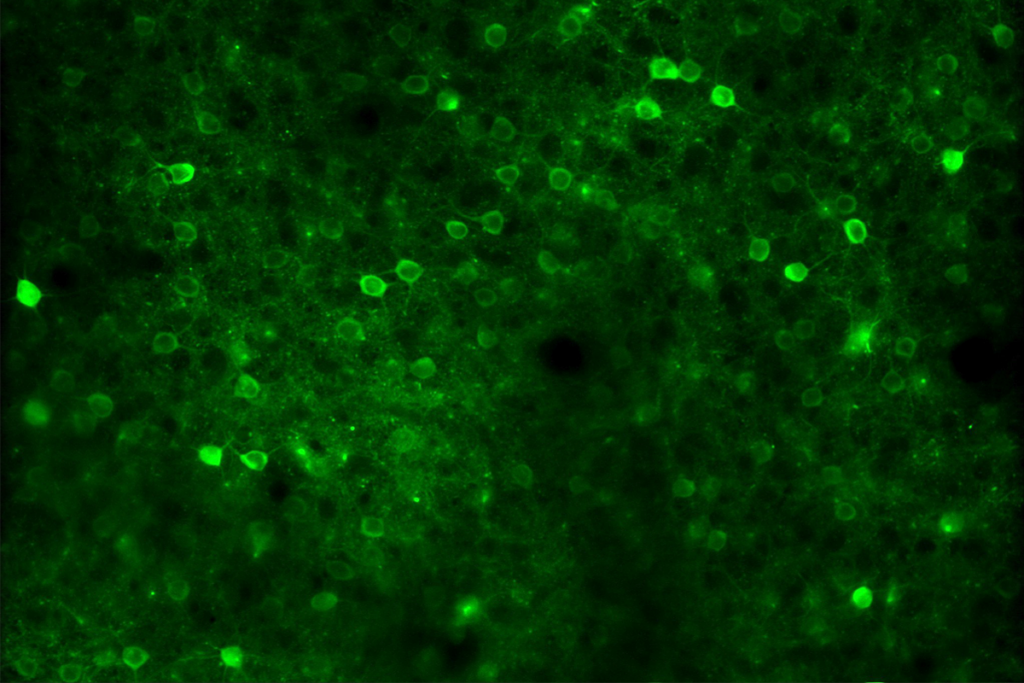
Null and Noteworthy: Downstream brain areas read visual cortex signals en masse in mice
The finding contradicts a theory that the regions prioritize neurons that are adept at identifying specific stimuli. Plus, a response to a study that questioned immune memory in astrocytes.
Null and Noteworthy: Downstream brain areas read visual cortex signals en masse in mice
The finding contradicts a theory that the regions prioritize neurons that are adept at identifying specific stimuli. Plus, a response to a study that questioned immune memory in astrocytes.
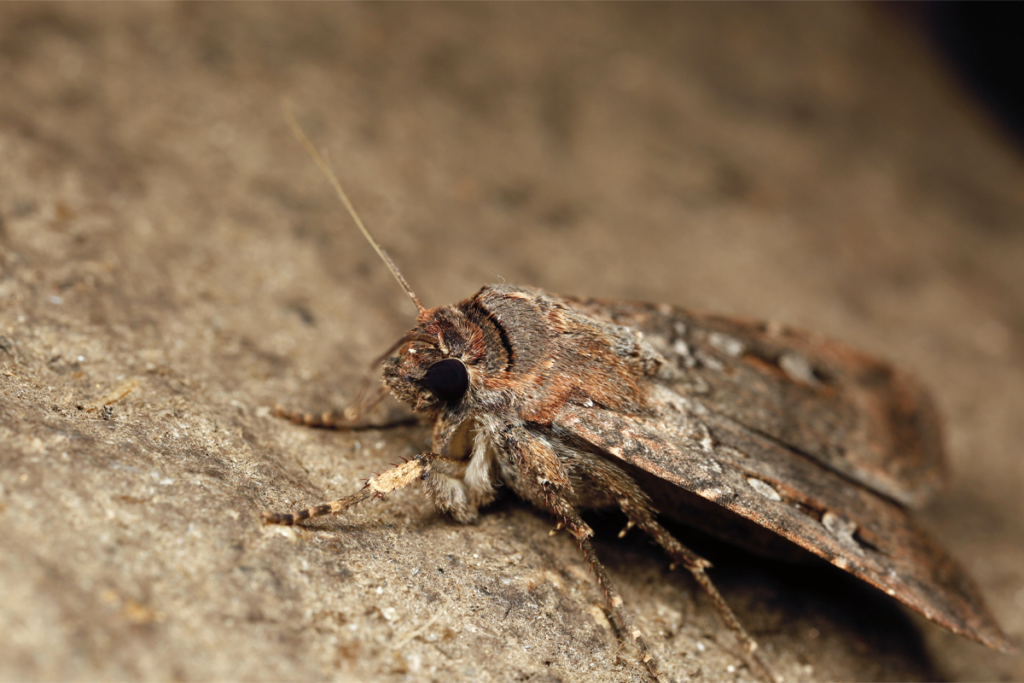
Star-responsive neurons steer moths’ long-distance migration
Cells in the bogong moth brain respond to astral landmarks to orient the insects in the direction they need to go.
Star-responsive neurons steer moths’ long-distance migration
Cells in the bogong moth brain respond to astral landmarks to orient the insects in the direction they need to go.

Soft touch quells loneliness in mice
Touch modulates one of two dueling types of hypothalamic neurons that, thermostat-like, balance an animal’s drive for social interaction.
Soft touch quells loneliness in mice
Touch modulates one of two dueling types of hypothalamic neurons that, thermostat-like, balance an animal’s drive for social interaction.
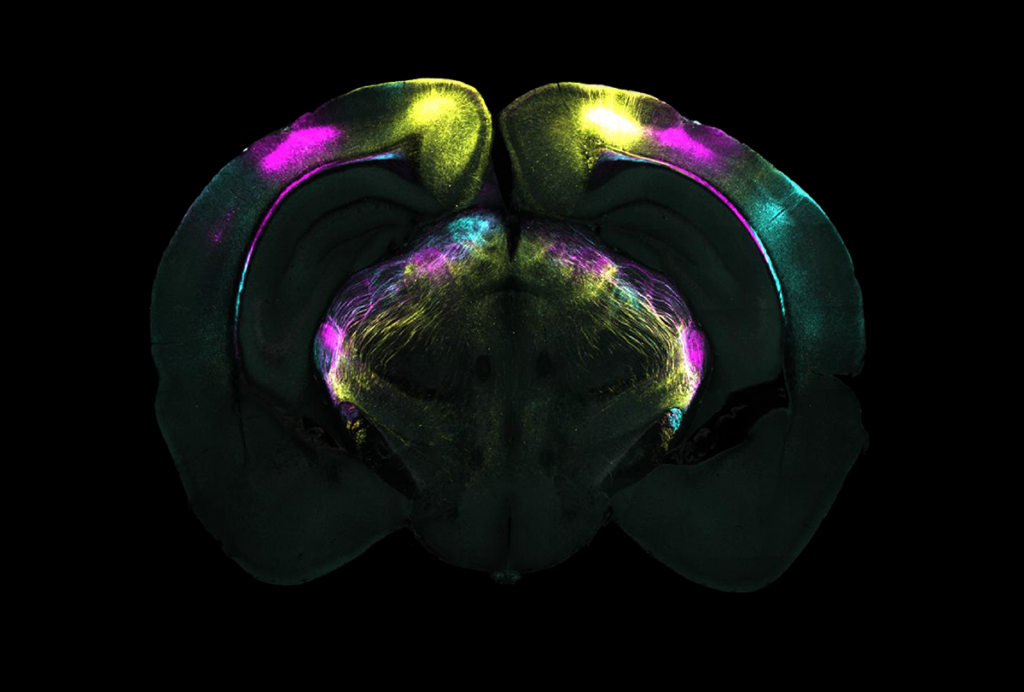
Subthalamic plasticity helps mice squelch innate fear responses
When the animals learn that a perceived threat is not dangerous, long-term activity changes in a part of the subthalamus suppress their instinctive fears.
Subthalamic plasticity helps mice squelch innate fear responses
When the animals learn that a perceived threat is not dangerous, long-term activity changes in a part of the subthalamus suppress their instinctive fears.
Rajesh Rao reflects on predictive brains, neural interfaces and the future of human intelligence
Twenty-five years ago, Rajesh Rao proposed a seminal theory of how brains could implement predictive coding for perception. His modern version zeroes in on actions.
Rajesh Rao reflects on predictive brains, neural interfaces and the future of human intelligence
Twenty-five years ago, Rajesh Rao proposed a seminal theory of how brains could implement predictive coding for perception. His modern version zeroes in on actions.
Explore more from The Transmitter
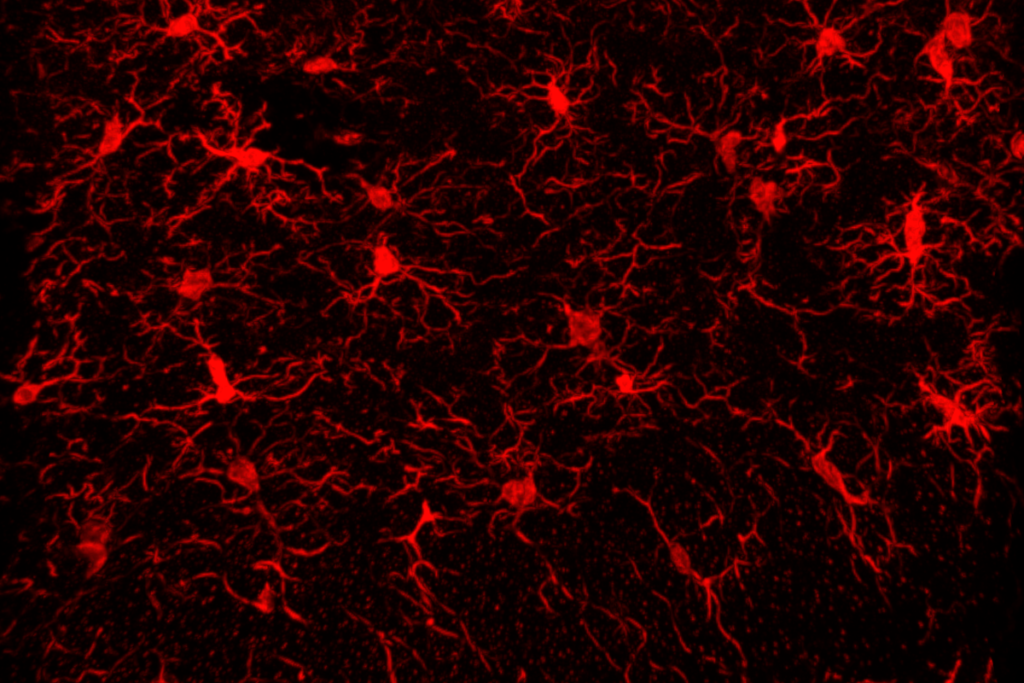
Microglia implicated in infantile amnesia
The glial cells could explain the link between maternal immune activation and autism-like behaviors in mice, but methodological challenges prompt questions about the new evidence.
Microglia implicated in infantile amnesia
The glial cells could explain the link between maternal immune activation and autism-like behaviors in mice, but methodological challenges prompt questions about the new evidence.
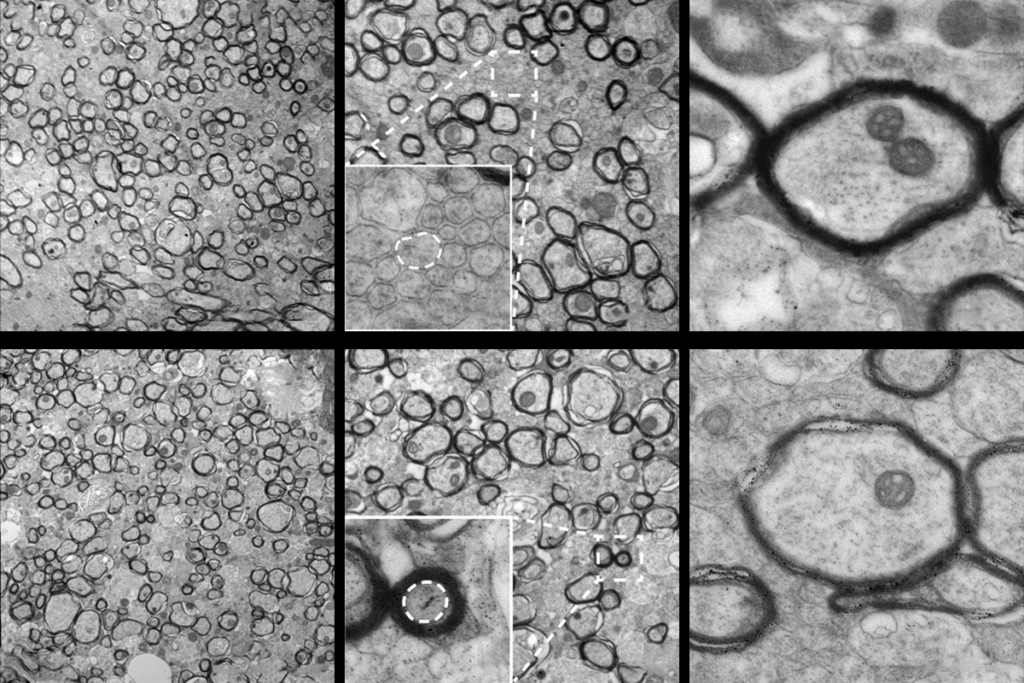
Oligodendrocytes need mechanical cues to myelinate axons correctly
Without the mechanosensor TMEM63A, the cells cannot deposit the appropriate amount of insulation, according to a new study.
Oligodendrocytes need mechanical cues to myelinate axons correctly
Without the mechanosensor TMEM63A, the cells cannot deposit the appropriate amount of insulation, according to a new study.
Modern AI is simply no match for the complexity likely required for harboring consciousness, says Jaan Aru
He argues that our brain’s computations are of a completely different nature than any artificial intelligence because they take place across many spatial and temporal scales and are inextricably entwined with biological materials.
Modern AI is simply no match for the complexity likely required for harboring consciousness, says Jaan Aru
He argues that our brain’s computations are of a completely different nature than any artificial intelligence because they take place across many spatial and temporal scales and are inextricably entwined with biological materials.