Anna Remington
Lecturer
Centre for Research in Autism and Education at the Institute of Education, London
From this contributor
Higher perceptual capacity in autism can be both strength and challenge
People with autism may have a higher perceptual capacity, which means that they are able to process more information at once than their typical peers.
Higher perceptual capacity in autism can be both strength and challenge

Intense world theory raises intense worries
The ‘intense world theory’ of autism, which has attracted much interest from the popular press, has received very little academic scrutiny. Uta Frith and Anna Remington ask: Is it as positive as it purports to be, and what does it mean for autism?
Intense world theory raises intense worries
Explore more from The Transmitter
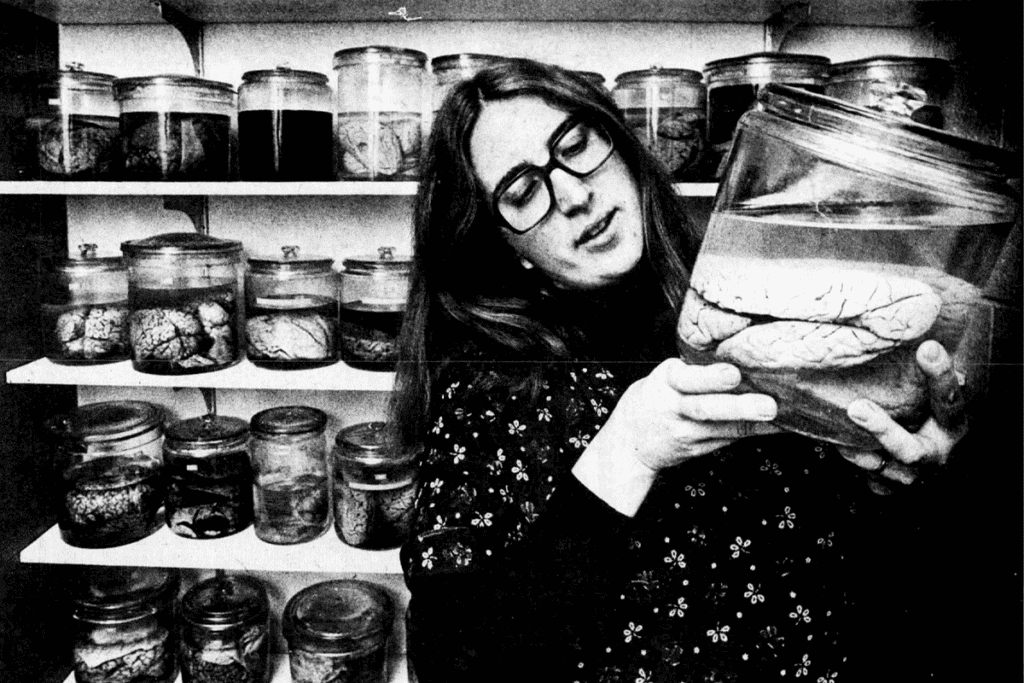
Remembering Barbara Finlay, ‘maverick’ of evolutionary neuroscience
Finlay, who died on 12 September, championed the idea that developmental constraints dictate how evolution sculpts brains, a concept she used to model the timing of hundreds of events and align them across mammalian species.
Remembering Barbara Finlay, ‘maverick’ of evolutionary neuroscience
Finlay, who died on 12 September, championed the idea that developmental constraints dictate how evolution sculpts brains, a concept she used to model the timing of hundreds of events and align them across mammalian species.
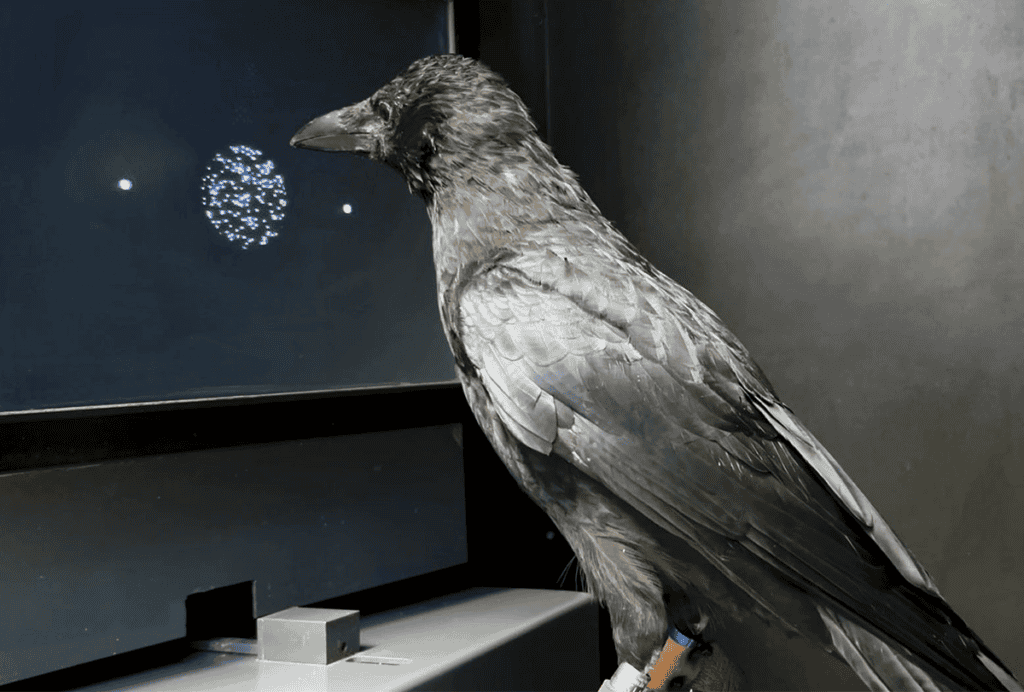
Crows have brains ‘in the fast lane’
The birds accurately complete decision-making tasks twice as fast as primates, although their endbrains look considerably different.
Crows have brains ‘in the fast lane’
The birds accurately complete decision-making tasks twice as fast as primates, although their endbrains look considerably different.

Prevalence of profound autism declines with new definition
The updated, more precise definition used in a CDC study includes adaptive scores.
Prevalence of profound autism declines with new definition
The updated, more precise definition used in a CDC study includes adaptive scores.