Carlo Cadenas
Illustrator
From this contributor
Advances in genetic medicine took center stage at INSAR
The president of the Autism Science Foundation and parent of a child with profound autism reflects on how advances in the treatment of rare gene variants bring hope to many families.
Advances in genetic medicine took center stage at INSAR
Genome structure could be key factor in some forms of autism
Variants in DNA stretches that do not code for proteins may alter the genome’s 3D architecture, influencing the expression of distant genes linked to autism.
Genome structure could be key factor in some forms of autism
‘Polygenic risk scores’ for autism, explained
These scores — composite measures of a person’s autism-linked common genetic variants — cannot predict an autism diagnosis but could help researchers better understand the condition’s underlying biology.
‘Polygenic risk scores’ for autism, explained
‘Dosage sensitivity map’ predicts active ingredients in copy number variants
The catalog of rare copy number variants tied to autism and other conditions could help researchers identify which genes account for the mutations’ effects.
‘Dosage sensitivity map’ predicts active ingredients in copy number variants
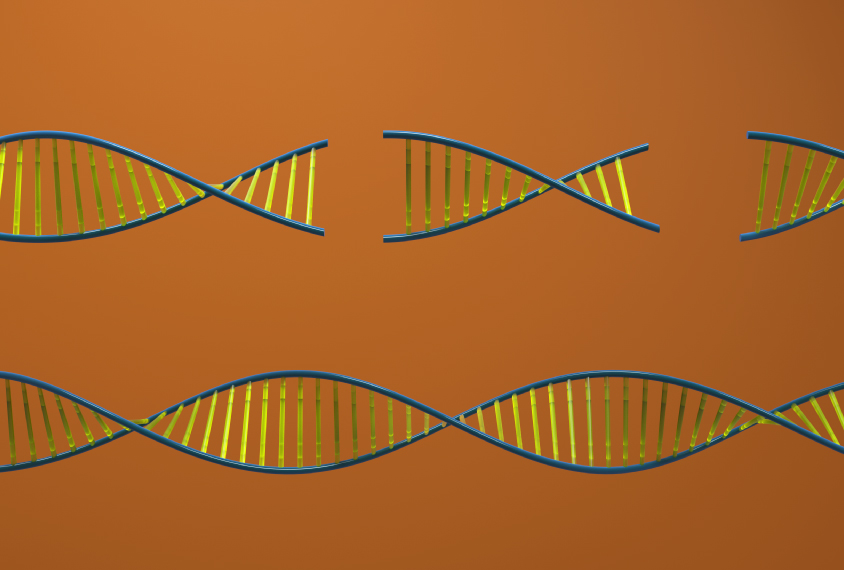
Deletions on chromosome 22 have ripple effects across genome
Deletion of the 22q11.2 chromosomal region alters the expression of numerous autism- and schizophrenia-linked genes, most of which are not contained within the deleted region, a new study suggests.
Deletions on chromosome 22 have ripple effects across genome
Explore more from The Transmitter
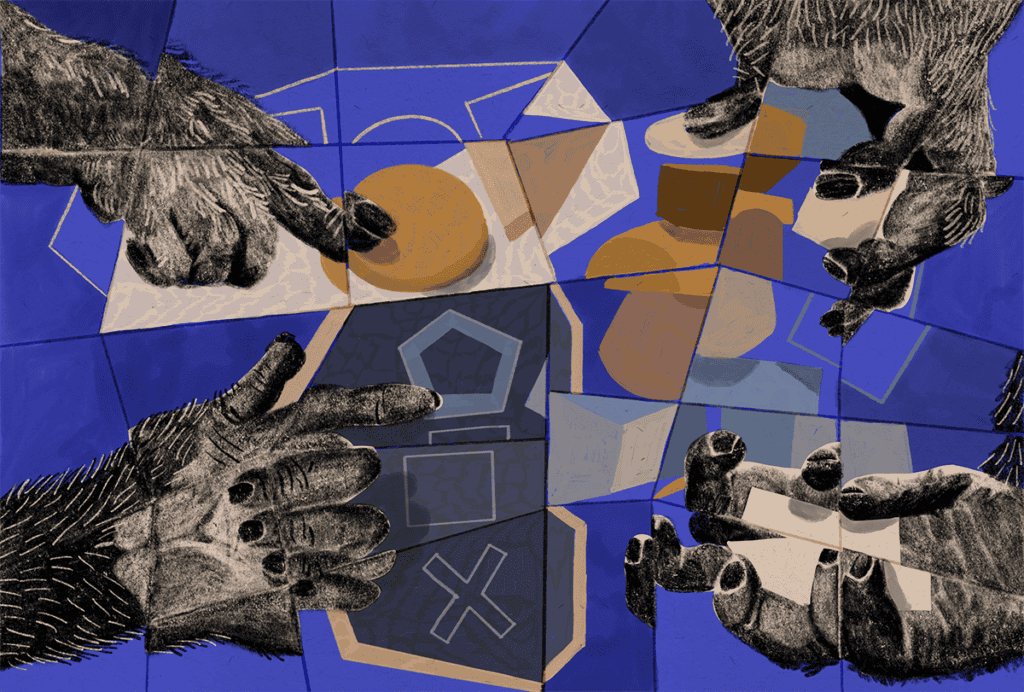
The neuroscience questions that need nonhuman primates
The Transmitter asked 17 neuroscientists what questions might remain unanswered if support for nonhuman primate research continues to decline.
The neuroscience questions that need nonhuman primates
The Transmitter asked 17 neuroscientists what questions might remain unanswered if support for nonhuman primate research continues to decline.
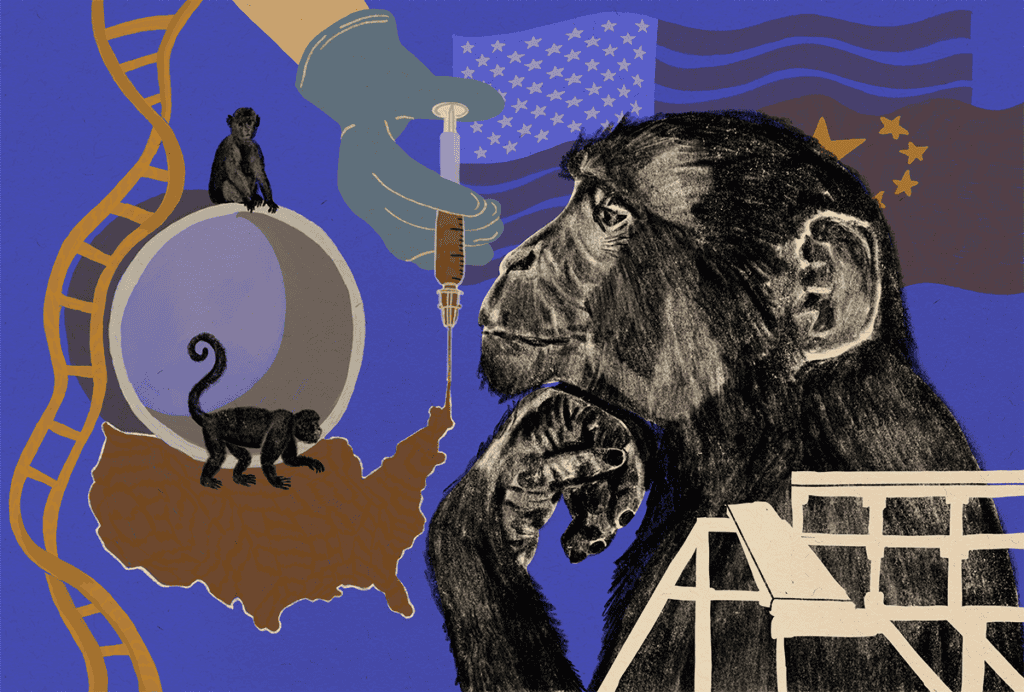
U.S. national primate research centers face an uncertain future
The facilities were meant to last 100 years. Four decades shy of that mark, amid flatlined funds and mounting political pressure, their directors are trying to find a path forward.
U.S. national primate research centers face an uncertain future
The facilities were meant to last 100 years. Four decades shy of that mark, amid flatlined funds and mounting political pressure, their directors are trying to find a path forward.
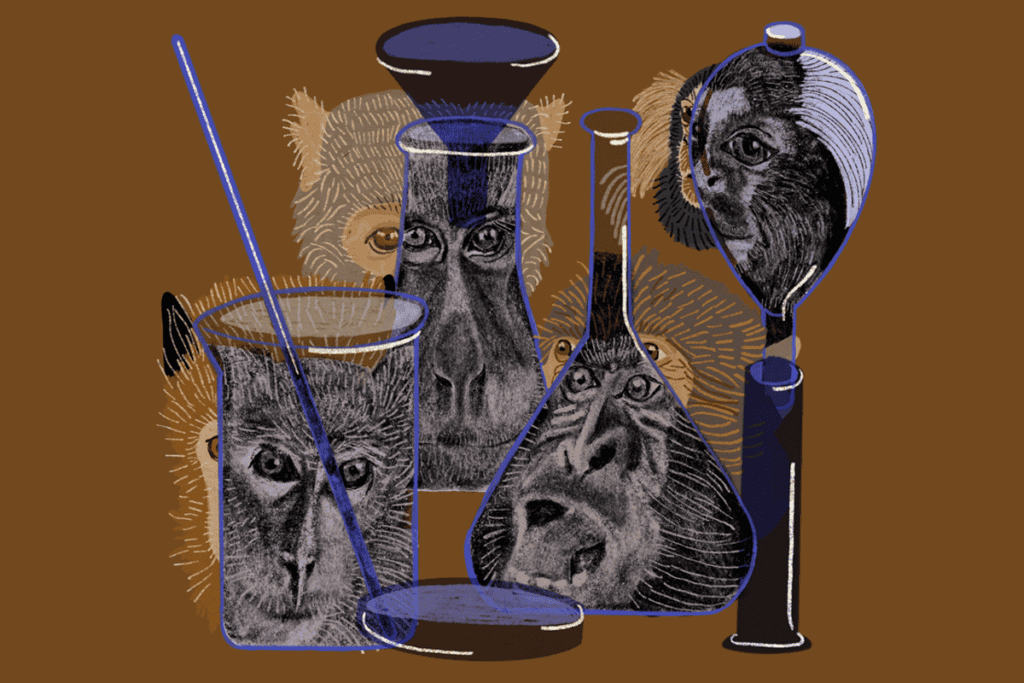
What if nonhuman primate research goes away?
As the U.S. government takes steps to stop using nonhuman primates in research, The Transmitter investigates what that shift could mean for neuroscience.
What if nonhuman primate research goes away?
As the U.S. government takes steps to stop using nonhuman primates in research, The Transmitter investigates what that shift could mean for neuroscience.