Mark Daly is director of the Institute for Molecular Medicine Finland at the University of Helsinki. He is also co-director of the Medical and Population Genetics Program at the Broad Institute of MIT and Harvard.
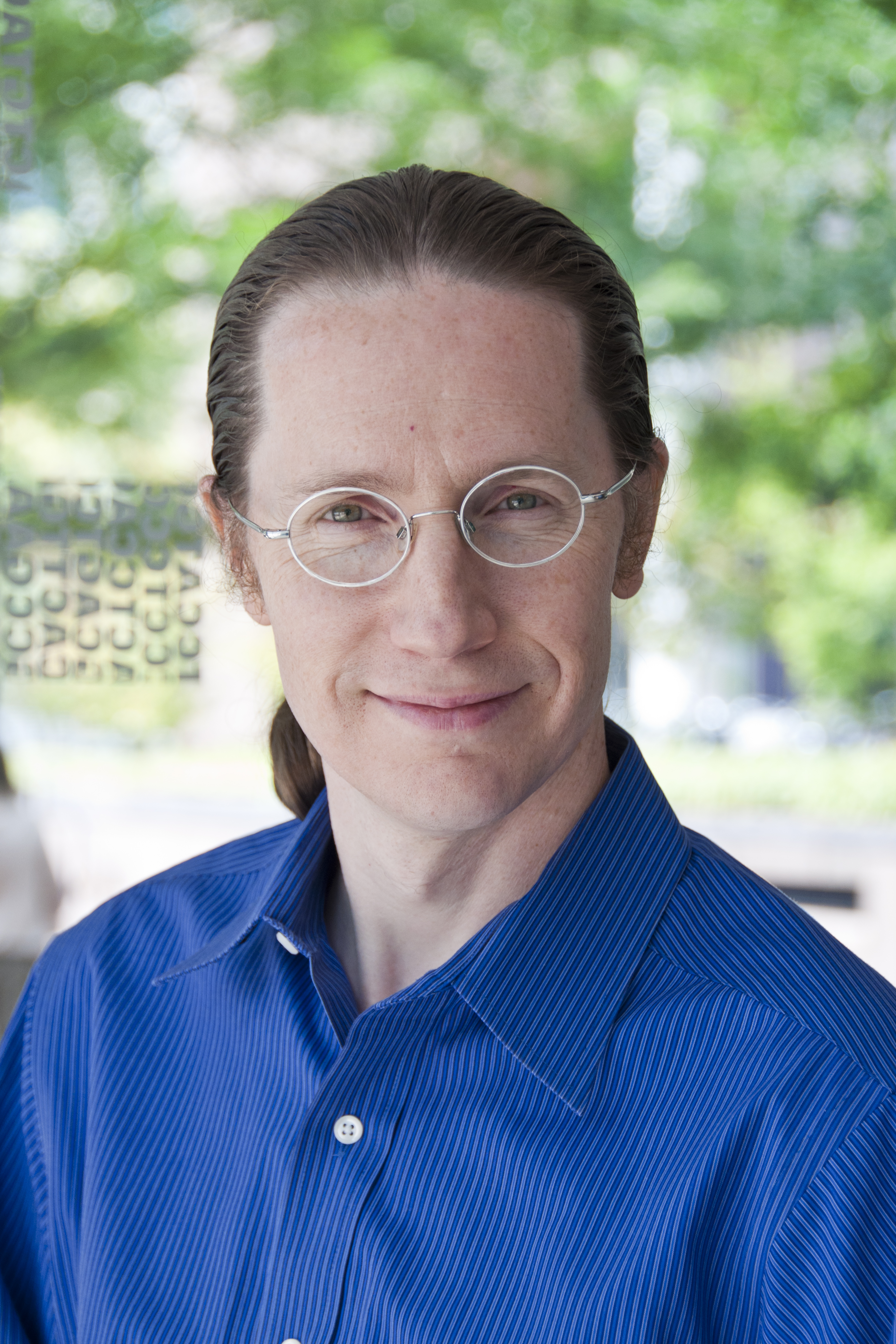
Mark Daly
Associate professor
Massachusetts General Hospital
From this contributor
The interplay of common, rare variation in autism
Autism researchers should ditch the false dichotomy between common inherited variants and much rarer random mutations.
Explore more from The Transmitter
Commentary: Citation graphs may underestimate neuroscience’s influence on AI
An alternative, albeit less quantitative, way to trace this history is through the people who carried ideas between the fields.
Commentary: Citation graphs may underestimate neuroscience’s influence on AI
An alternative, albeit less quantitative, way to trace this history is through the people who carried ideas between the fields.
By
Anthony Zador
26 October 2026 | 5 min read
Commentary: The rising absolute number of neuro-inspired AI papers represents a substantial footprint
Many of the design choices present in the current generation of artificial-intelligence tools parallel purported properties of the brain.
Commentary: The rising absolute number of neuro-inspired AI papers represents a substantial footprint
Many of the design choices present in the current generation of artificial-intelligence tools parallel purported properties of the brain.
By
Kim Stachenfeld
26 October 2026 | 2 min read
Examining the bridge between neuroscience and AI
A citation analysis reveals that the connection between the two fields is real and gaining momentum. But it’s also narrow and tool-heavy; we need to find ways to widen it.
Examining the bridge between neuroscience and AI
A citation analysis reveals that the connection between the two fields is real and gaining momentum. But it’s also narrow and tool-heavy; we need to find ways to widen it.
By
Renato Duarte
26 October 2026 | 12 min read