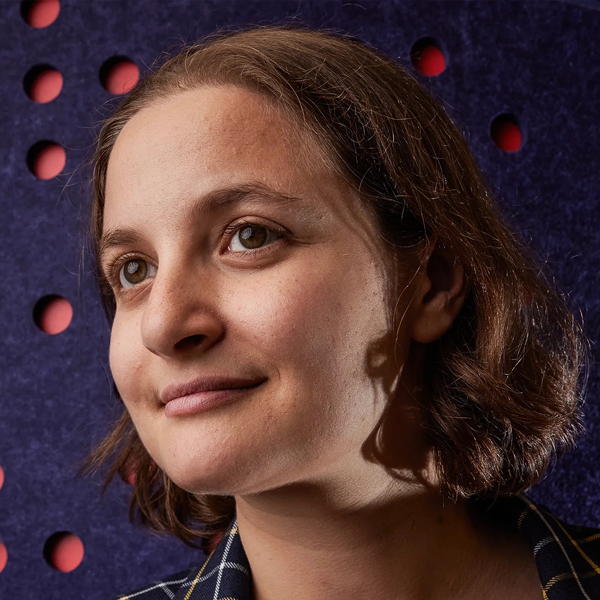
Naomi Saphra.

Naomi Saphra

Research fellow, Kempner Institute, Harvard University
Incoming faculty, Boston University

Naomi Saphra is a research fellow at the Kempner Institute at Harvard University and incoming faculty at Boston University in 2026. She is interested in empirically understanding training in language models: When do models learn to encode linguistic patterns or other structure? What does that tell us about how and why they work? Can we encode useful inductive biases into the training process? Recently, she has begun collaborating with natural and social scientists to use interpretability to understand the world around us. 

Saphra earned a Ph.D. at the University of Edinburgh on the training dynamics of neural language models. She worked at New York University, Google, MosaicML and Facebook; and she attended Johns Hopkins University and Carnegie Mellon University.
Explore more from The Transmitter

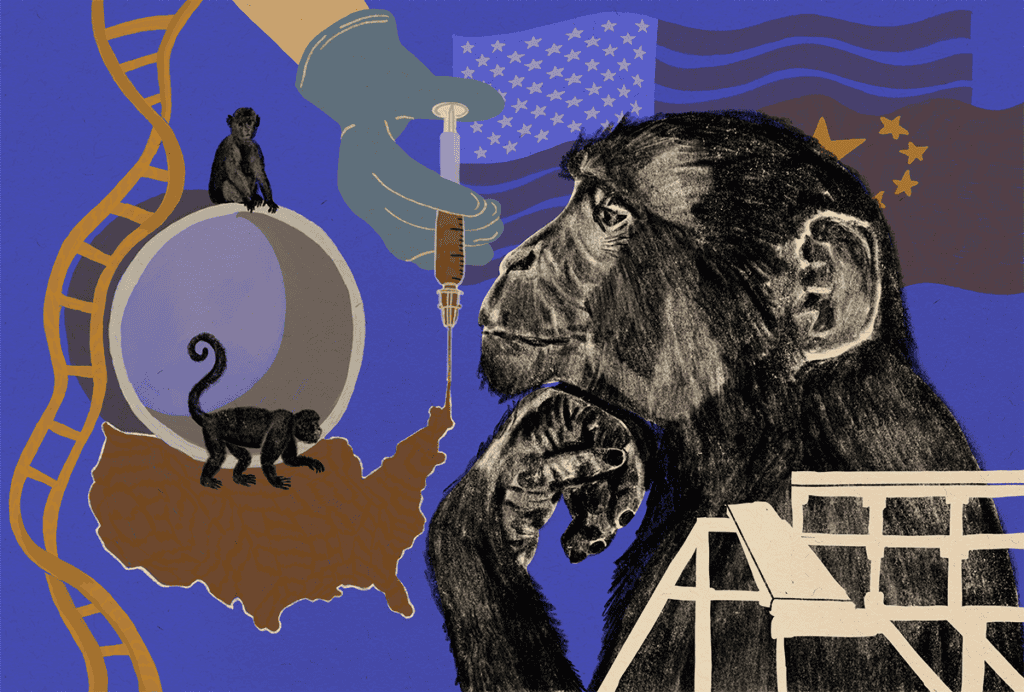
Illustrated collage of a monkey profile, a gloved hand holding a vaccine syringe touching an outline of the United States with two primates sitting near it, a strand of DNA, and flags of the United States and China in the background.

U.S. national primate research centers face an uncertain future

The facilities were meant to last 100 years. Four decades shy of that mark, amid flatlined funds and mounting political pressure, their directors are trying to find a path forward.

By Calli McMurray
9 October 2026 | 12 min read
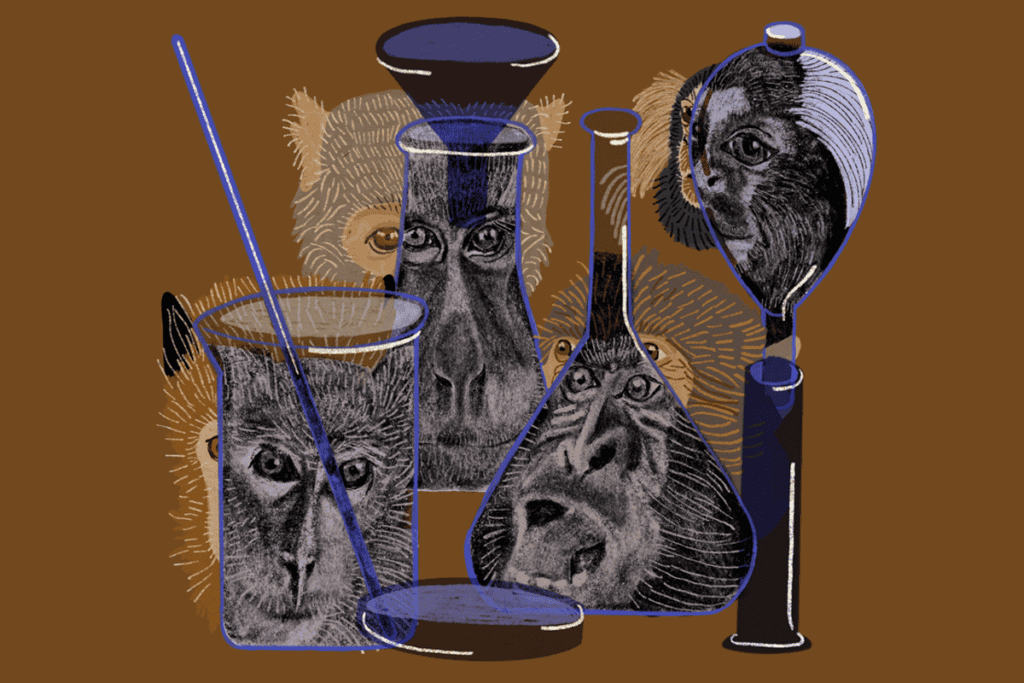
Reflections of primates in lab equipment (bottom left: Rhesus macaque, top left: Pig-tailed macaque, bottom right: Crab-eating macaque. top right: Marmoset

What if nonhuman primate research goes away?

As the U.S. government takes steps to stop using nonhuman primates in research, The Transmitter investigates what that shift could mean for neuroscience.

By The Transmitter
9 October 2026 | 2 min read
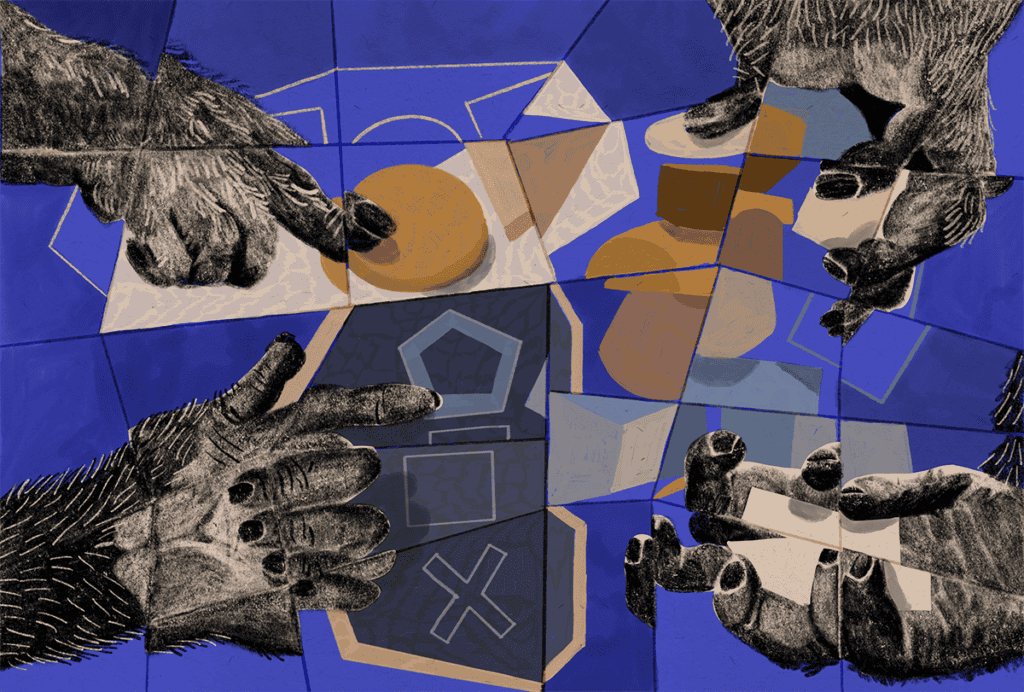
Illustration of primate hands interacting with objects of cognitive tests.

The neuroscience questions that need nonhuman primates

The Transmitter asked 17 neuroscientists what questions might remain unanswered if support for nonhuman primate research continues to decline.

By Alissa de Chassey
9 October 2026 | 10 min read