Frameshift
Recent articles
Neuroscientists with careers outside academic labs discuss their work and how they made the transition.
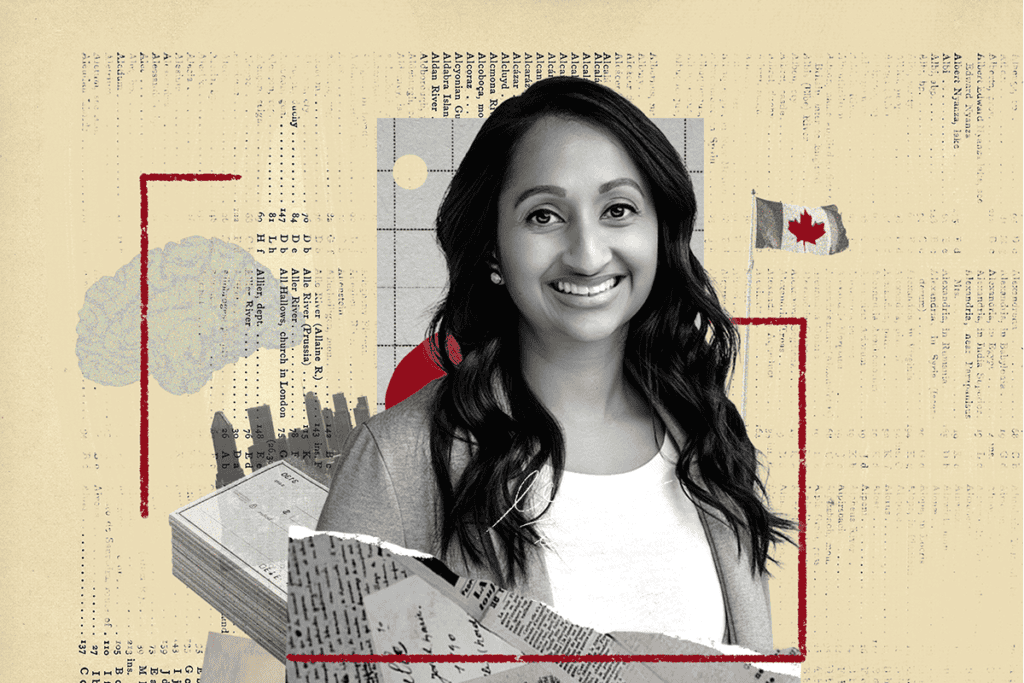
Creating community through grant support
Fiona Sanderson, a senior program manager at the Brain Canada Foundation, shares how she got into grant administration and how she helps connect researchers with funding and one another.
Creating community through grant support
Fiona Sanderson, a senior program manager at the Brain Canada Foundation, shares how she got into grant administration and how she helps connect researchers with funding and one another.
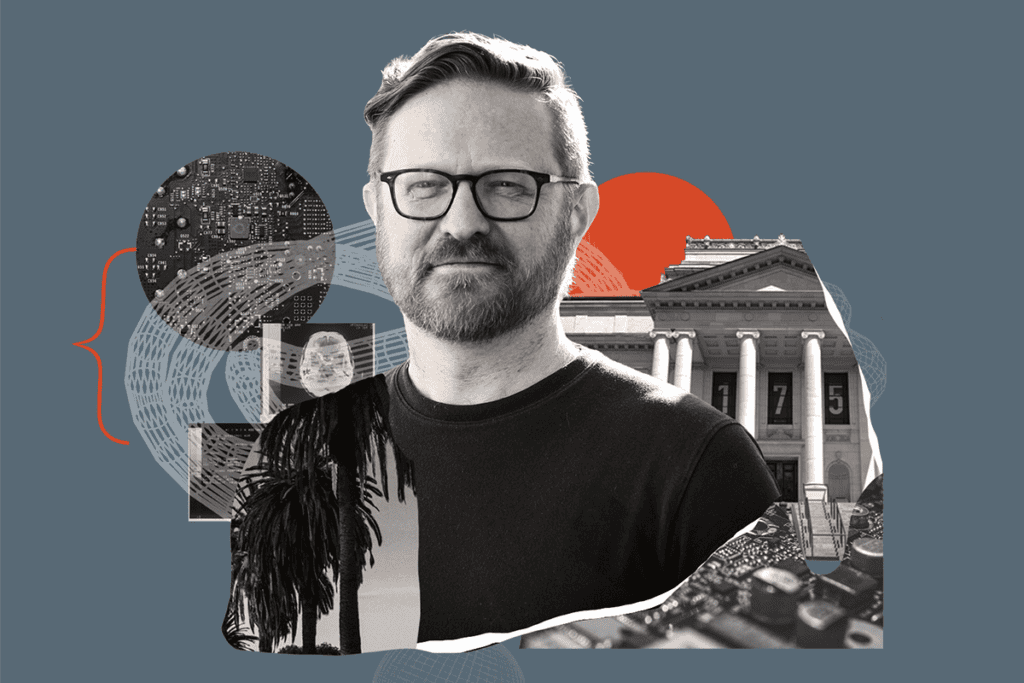
Building brain-computer interfaces at a neurotech company
At Blackrock Neurotech, Spencer Kellis develops implantable devices that help people with brain and spinal cord conditions communicate, move and more.
Building brain-computer interfaces at a neurotech company
At Blackrock Neurotech, Spencer Kellis develops implantable devices that help people with brain and spinal cord conditions communicate, move and more.
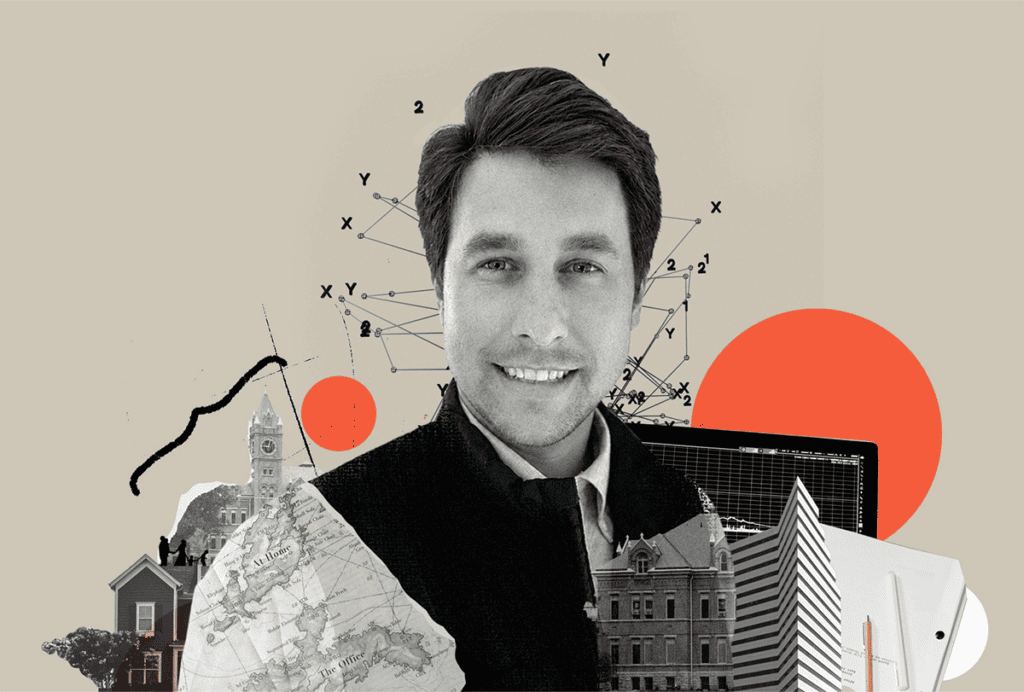
The fun and flexibility of data science
Taylor Bolt spent his Ph.D. and postdoc digging through brain imaging data for clues to cognition. In industry, the datasets are different but the joy of answering questions with data remains.
The fun and flexibility of data science
Taylor Bolt spent his Ph.D. and postdoc digging through brain imaging data for clues to cognition. In industry, the datasets are different but the joy of answering questions with data remains.
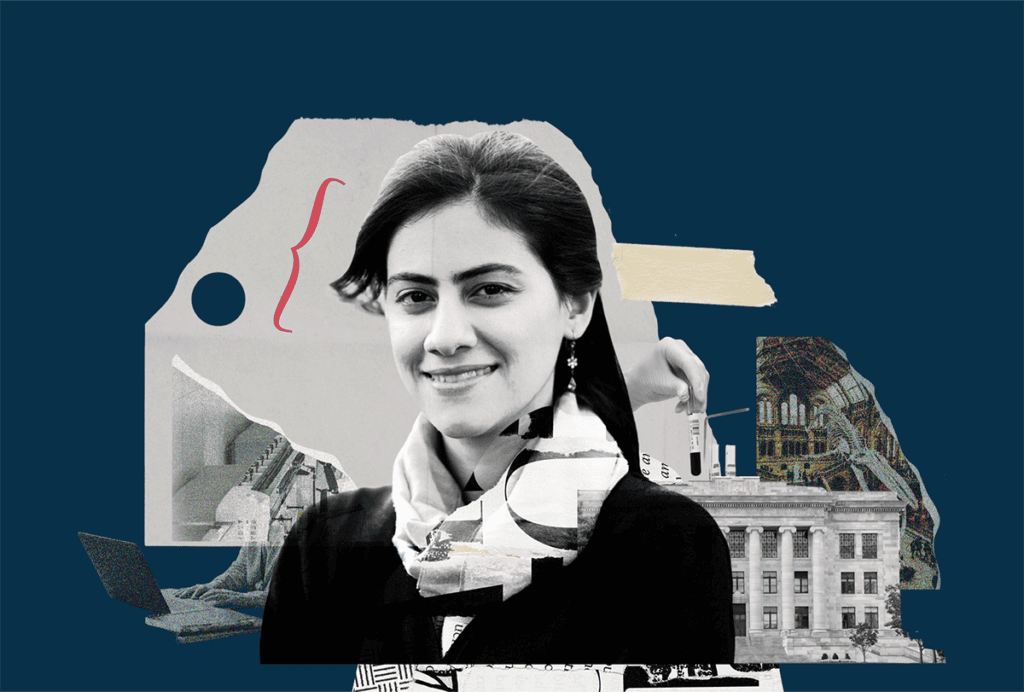
Making an impact through academic administration
As executive director of research at Harvard Medical School’s Department of Neurobiology, Soha Ashrafi supports more than 300 scientists, students and staff members.
Making an impact through academic administration
As executive director of research at Harvard Medical School’s Department of Neurobiology, Soha Ashrafi supports more than 300 scientists, students and staff members.
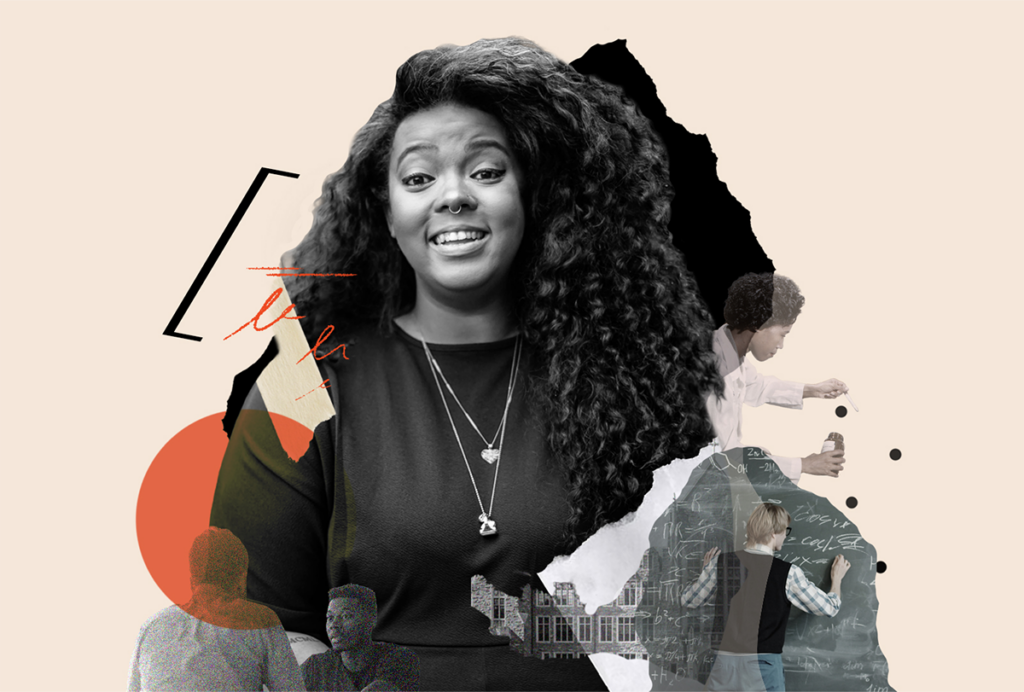
Getting grants feels good, but giving them is even better
As director of grants management at the Cure Alzheimer’s Fund, Kaela Singleton bets on bold science and shares in the joy of discovery.
Getting grants feels good, but giving them is even better
As director of grants management at the Cure Alzheimer’s Fund, Kaela Singleton bets on bold science and shares in the joy of discovery.
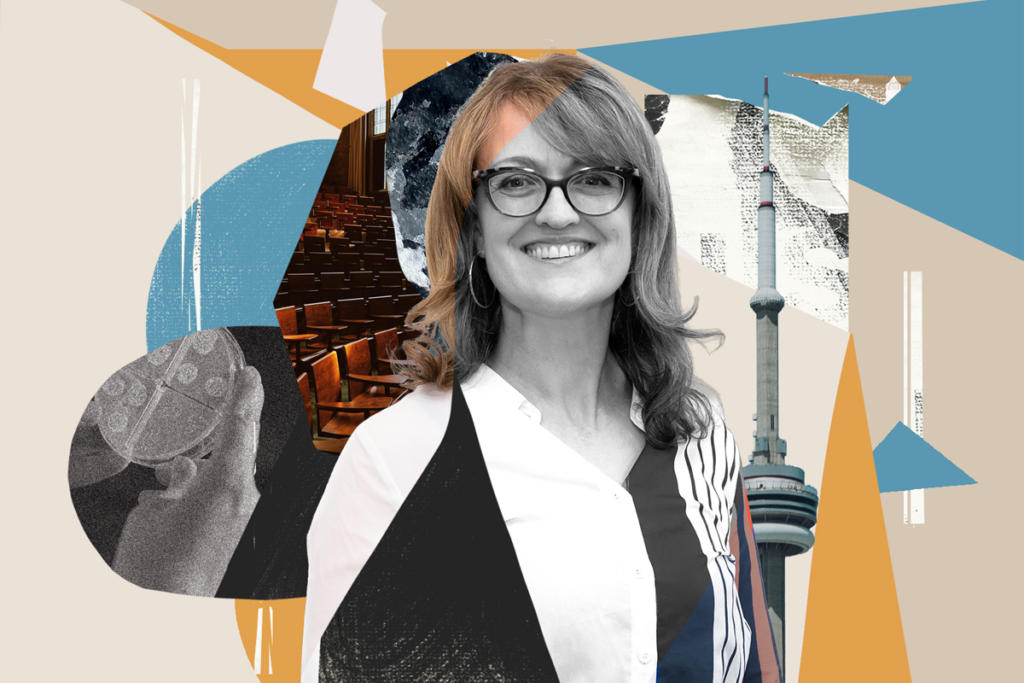
The ‘secretly awesome’ side of a teaching career
The freedom to do “wacky” research projects that interest you is a major perk of the teaching stream, says Suzanne Wood, a teaching professor at the University of Toronto.
The ‘secretly awesome’ side of a teaching career
The freedom to do “wacky” research projects that interest you is a major perk of the teaching stream, says Suzanne Wood, a teaching professor at the University of Toronto.
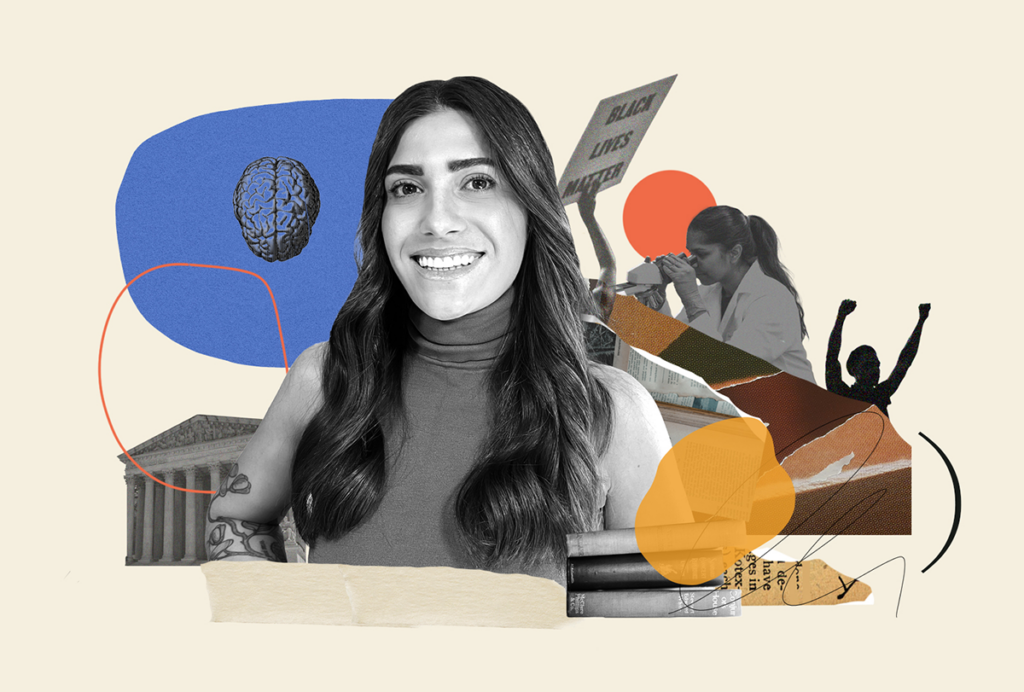
Frameshift: How Mia Thomaidou tapped a fellowship to connect neuroscience to criminal justice
As a fellow at the Dana Foundation, she merged two familiar passions and discovered a new one: science philanthropy.
Frameshift: How Mia Thomaidou tapped a fellowship to connect neuroscience to criminal justice
As a fellow at the Dana Foundation, she merged two familiar passions and discovered a new one: science philanthropy.
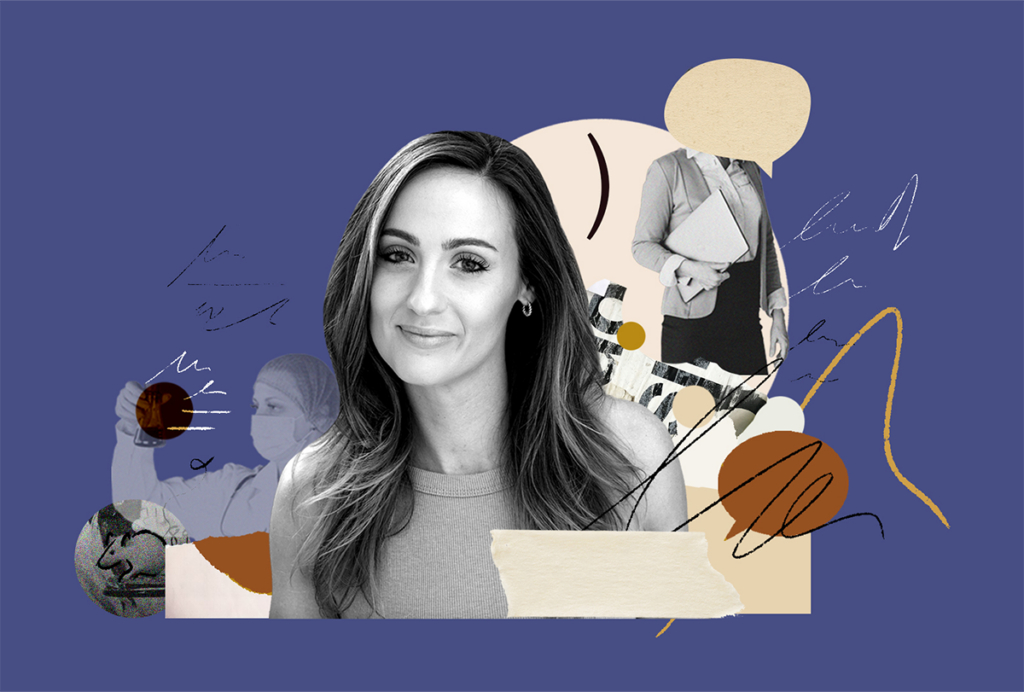
Frameshift: How Caitlin Vander Weele made science communication her business
Her favorite part of research was talking about it. So she left academia and turned that passion into a successful company.
Frameshift: How Caitlin Vander Weele made science communication her business
Her favorite part of research was talking about it. So she left academia and turned that passion into a successful company.
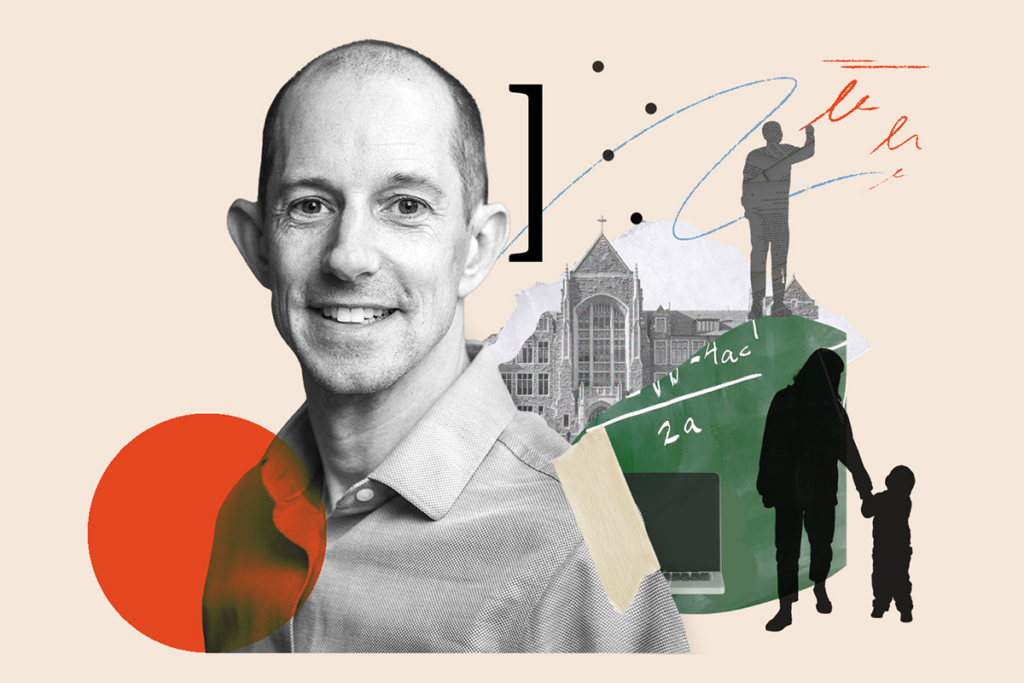
Frameshift: Raphe Bernier followed his heart out of academia, then made his way back again
After a clinical research career, an interlude at Apple and four months in early retirement, Raphe Bernier found joy in teaching.
Frameshift: Raphe Bernier followed his heart out of academia, then made his way back again
After a clinical research career, an interlude at Apple and four months in early retirement, Raphe Bernier found joy in teaching.
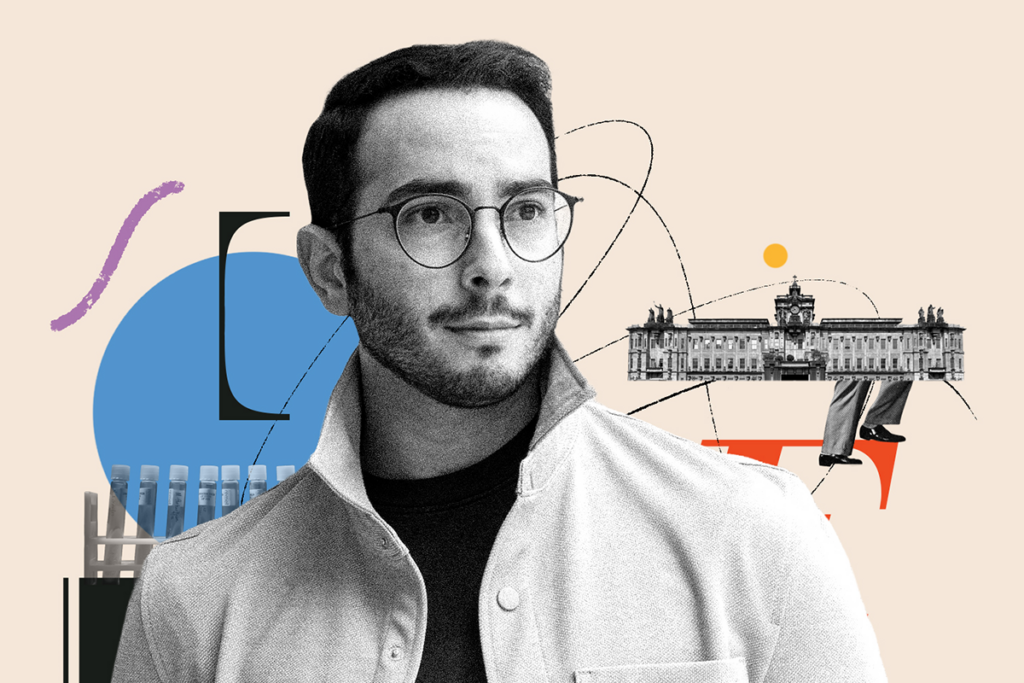
Frameshift: At a biotech firm, Ubadah Sabbagh embraces the expansive world outside academia
As chief of staff at Arcadia, Ubadah Sabbagh gets to do science while also pushing the boundaries of how science gets done.
Frameshift: At a biotech firm, Ubadah Sabbagh embraces the expansive world outside academia
As chief of staff at Arcadia, Ubadah Sabbagh gets to do science while also pushing the boundaries of how science gets done.
Explore more from The Transmitter
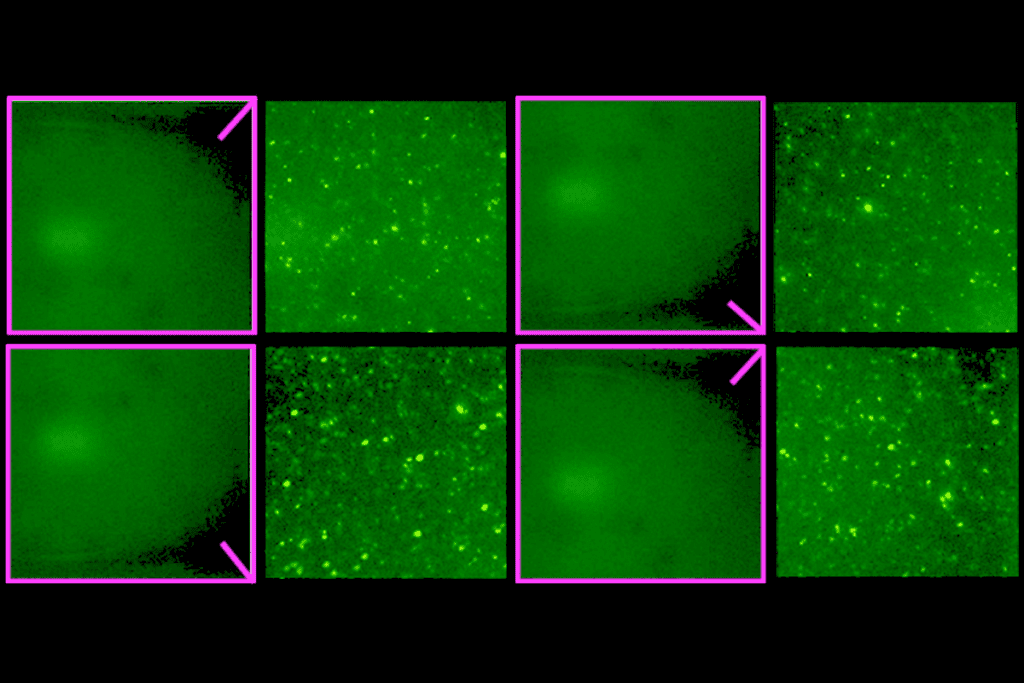
University probe leads to retraction of four neural tube studies
The University of Maryland conducted an internal investigation that identified image duplications and other data integrity issues in the studies, according to the retraction notices.
University probe leads to retraction of four neural tube studies
The University of Maryland conducted an internal investigation that identified image duplications and other data integrity issues in the studies, according to the retraction notices.

Highly cited autism paper earns expression of concern over data duplications
The notice, published in Nature last week, also addressed an image duplication identified by a prominent research-integrity sleuth.
Highly cited autism paper earns expression of concern over data duplications
The notice, published in Nature last week, also addressed an image duplication identified by a prominent research-integrity sleuth.
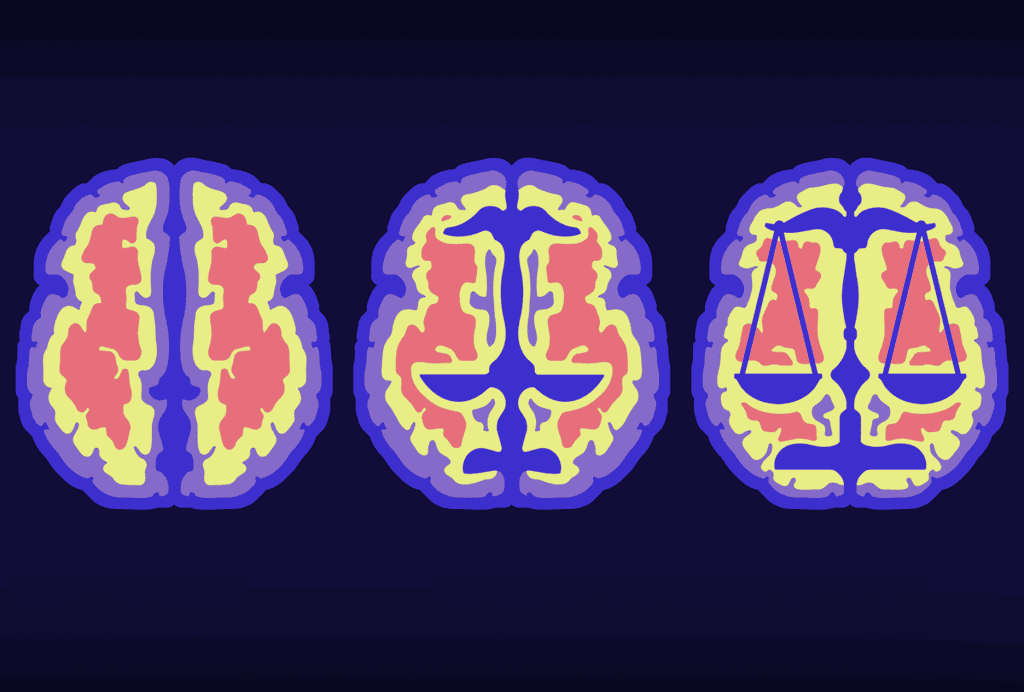
Govern neurodata by how it’s used, not where it’s from
New neurodata laws will shape how researchers gather, share and reuse brain data. A use-based governance protects basic researchers and those whose data are being used, without freezing science.
Govern neurodata by how it’s used, not where it’s from
New neurodata laws will shape how researchers gather, share and reuse brain data. A use-based governance protects basic researchers and those whose data are being used, without freezing science.