Sarah DeWeerdt is a Seattle-based freelance science writer specializing in biology, medicine and the environment. Her work has appeared in publications including Nature, Newsweek, Conservation and Nautilus. She has been a regular contributor to The Transmitter since 2010, writing conference reports, news and Deep Dive articles.

Sarah DeWeerdt
Contributing writer
From this contributor
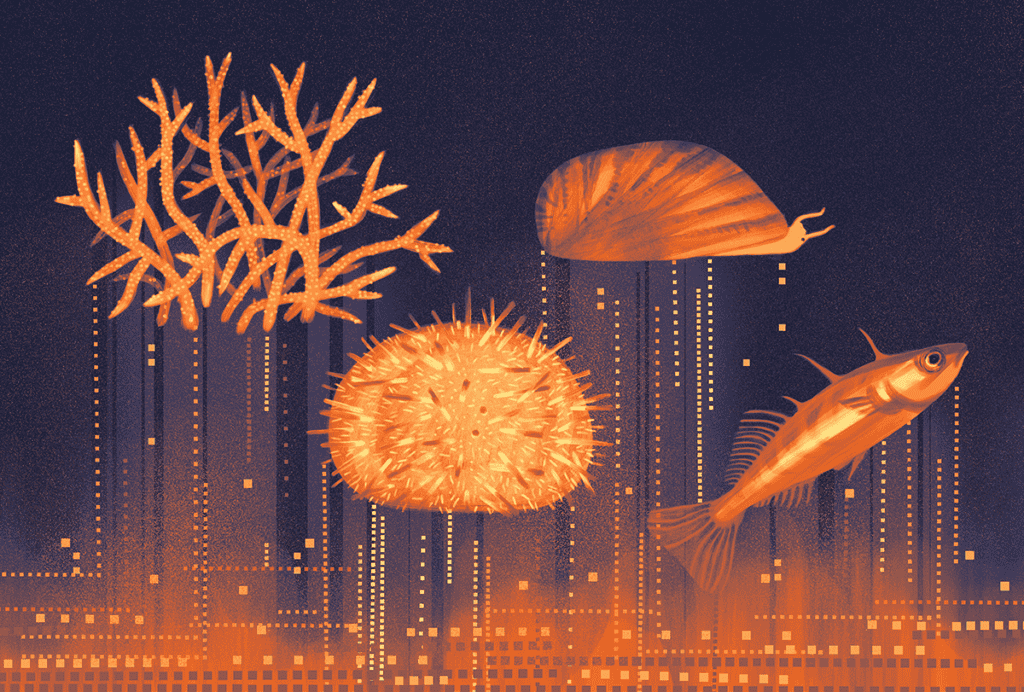
Climate neuroscience needs ‘integration’ and ‘guided’ research
Five years after a groundbreaking paper, can a young field move beyond piecemeal studies?
Climate neuroscience needs ‘integration’ and ‘guided’ research
By
Sarah DeWeerdt
21 August 2026 | 8 min read
Novel assembloid illuminates serotonin changes linked to 22q11.2 deletion
The combination of a serotonin-producing organoid with an organoid based on the developing cerebral cortex offers a new way to investigate neuromodulation.
Novel assembloid illuminates serotonin changes linked to 22q11.2 deletion
By
Sarah DeWeerdt
30 April 2026 | 0 min watch
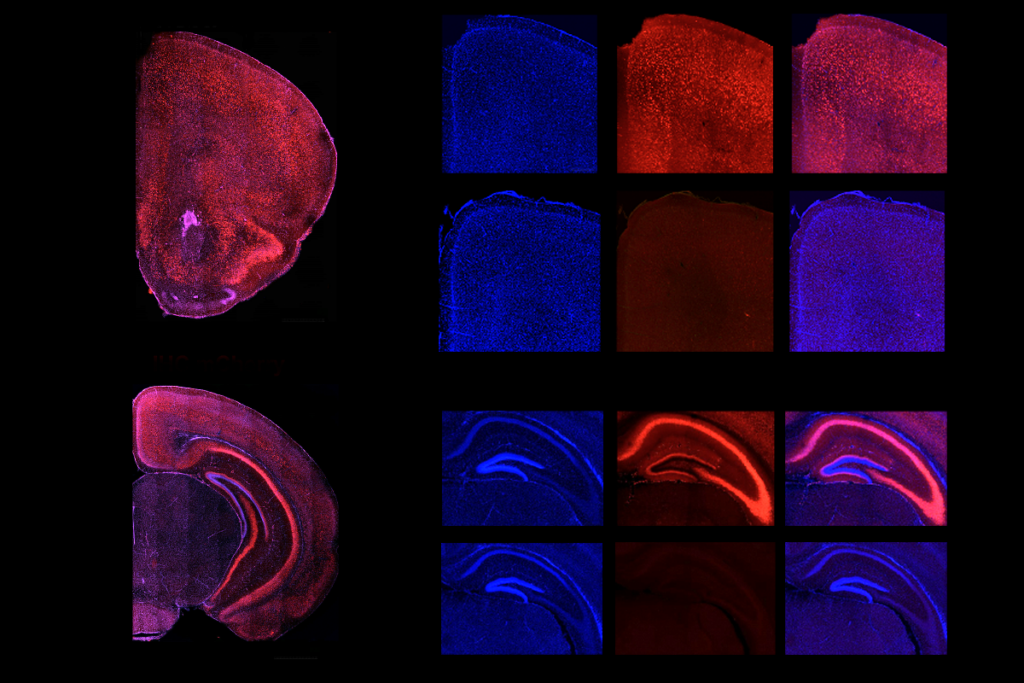
Ramping up cortical activity in early life sparks autism-like behaviors in mice
The findings add fuel to the long-running debate over how an imbalance in excitatory and inhibitory signaling contributes to the autism.
Ramping up cortical activity in early life sparks autism-like behaviors in mice
By
Sarah DeWeerdt
30 October 2025 | 6 min read
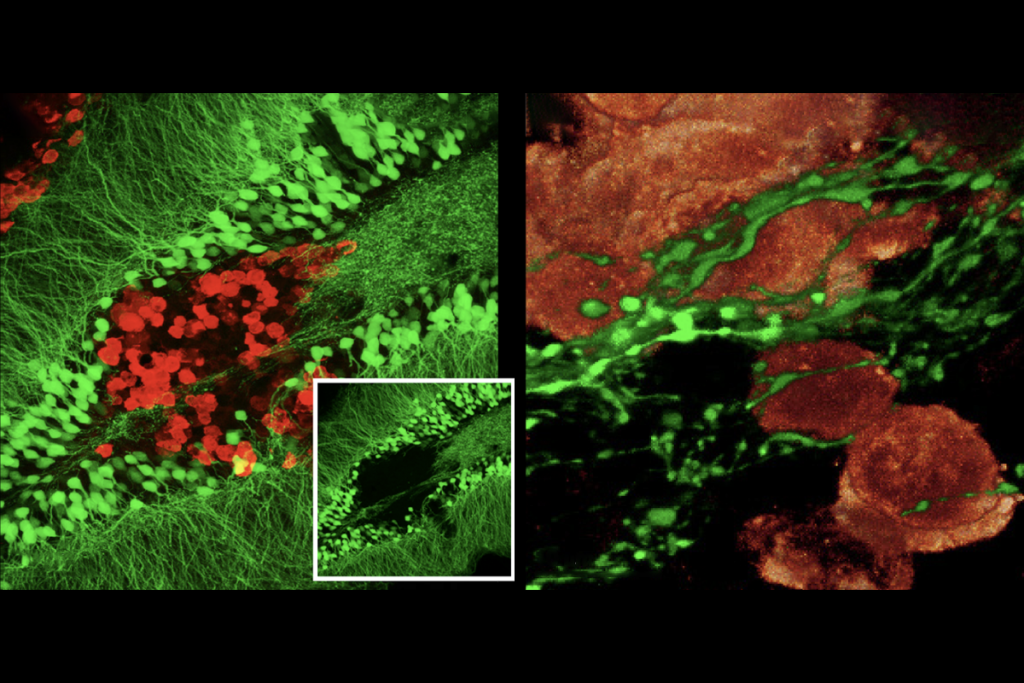
Neurons fuel lung tumors that have spread to brain
Functional synapses between brain cells and cancer cells are key to the metastatic growth, according to new findings from two independent teams.
Neurons fuel lung tumors that have spread to brain
By
Sarah DeWeerdt
6 October 2025 | 6 min read
Assembloids illuminate circuit-level changes linked to autism, neurodevelopment
These complex combinations of organoids afford a closer look at how gene alterations affect certain brain networks.
Assembloids illuminate circuit-level changes linked to autism, neurodevelopment
By
Sarah DeWeerdt
19 December 2024 | 0 min watch
Explore more from The Transmitter
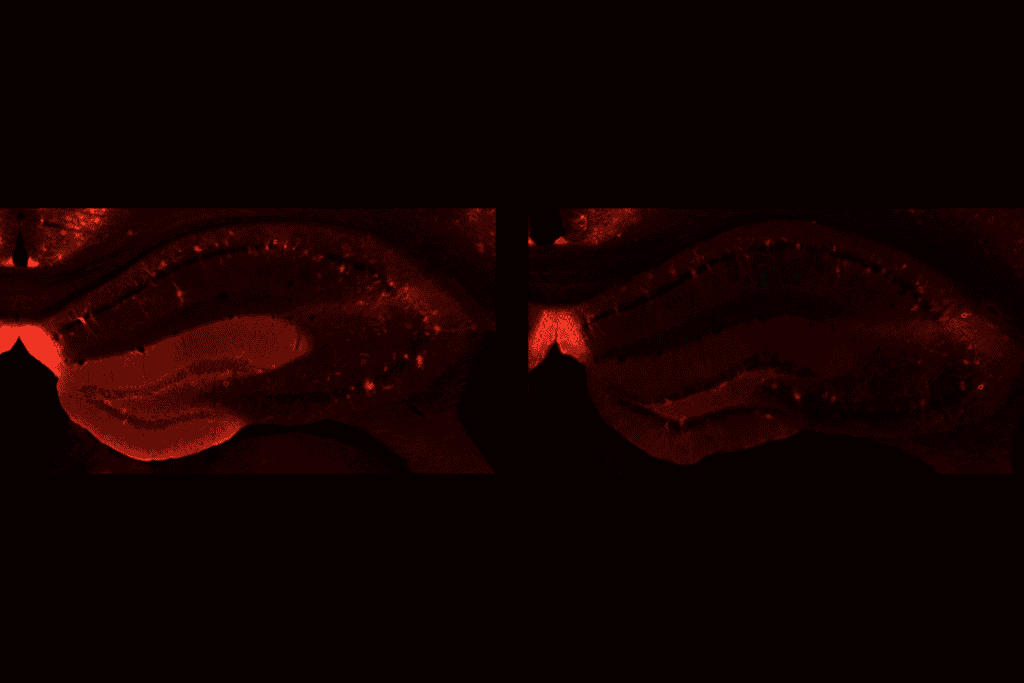
Organoids missing the TSC2 gene form rogue astrocytes; and more
Here is a roundup of autism-related news and research spotted around the web for the week of 28 September.
Organoids missing the TSC2 gene form rogue astrocytes; and more
Here is a roundup of autism-related news and research spotted around the web for the week of 28 September.
By
Jill Adams
29 September 2026 | 2 min read
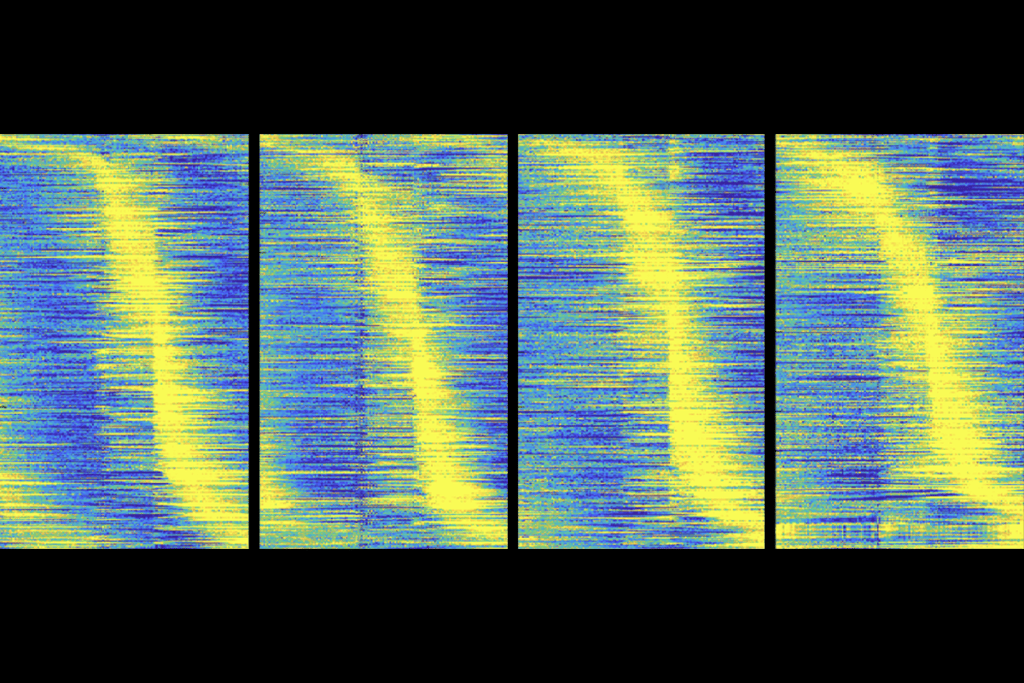
Cerebellar neurons reorient brain activity to differentiate similar behaviors
The findings provide a new perspective on how granule cells help to generalize learning across tasks.
Cerebellar neurons reorient brain activity to differentiate similar behaviors
The findings provide a new perspective on how granule cells help to generalize learning across tasks.
By
Holly Barker
29 September 2026 | 4 min read
Revisiting the neural correlates of consciousness
Life happens in real time, but experience may be composed in ragtime—like the music genre, full of offbeat notes and uneven rhythms. The assumption that waking life consists of a “stream” of conscious representations has inadvertently led consciousness science to its current impasse.
Revisiting the neural correlates of consciousness
Life happens in real time, but experience may be composed in ragtime—like the music genre, full of offbeat notes and uneven rhythms. The assumption that waking life consists of a “stream” of conscious representations has inadvertently led consciousness science to its current impasse.
By
Francis T. Fallon, Michael Pitts
28 September 2026 | 7 min read