Undark
From this contributor
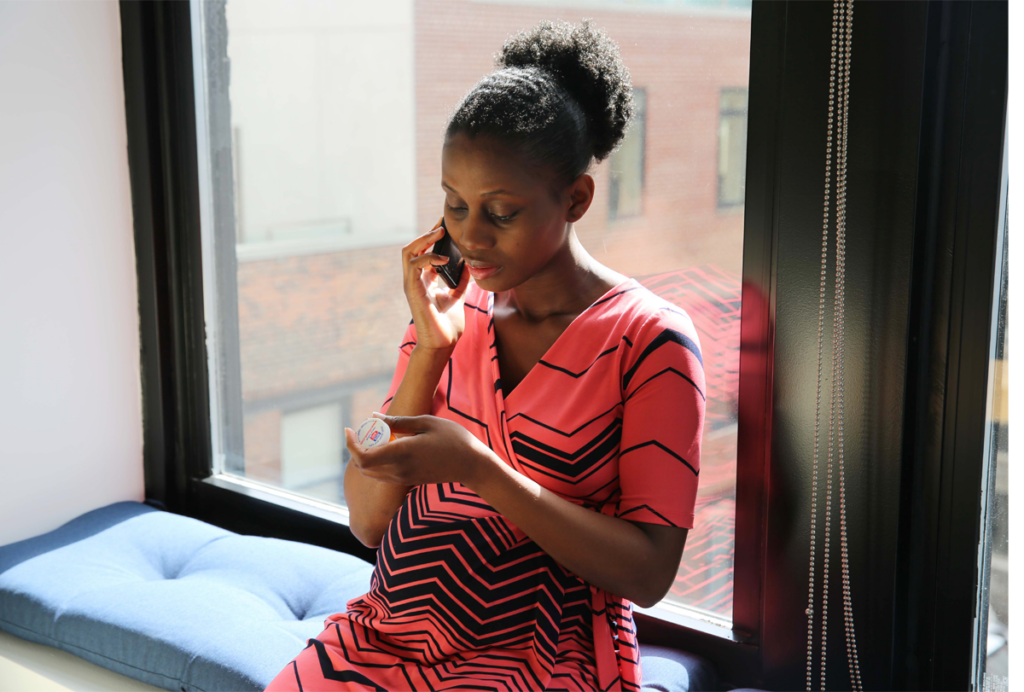
Evidence linking acetaminophen to autism, ADHD under debate again
As acetaminophen lawsuits make their way through the U.S. court system, researchers reevaluate the quality of the evidence linking in-utero exposure to the painkiller to neurodevelopmental issues in children.
Evidence linking acetaminophen to autism, ADHD under debate again
Psychology research skews mostly white and wealthy
For decades, the overwhelming majority of psychology research has examined people who live in the United States and other affluent Western countries — presenting a skewed view of the human mind.
Psychology research skews mostly white and wealthy
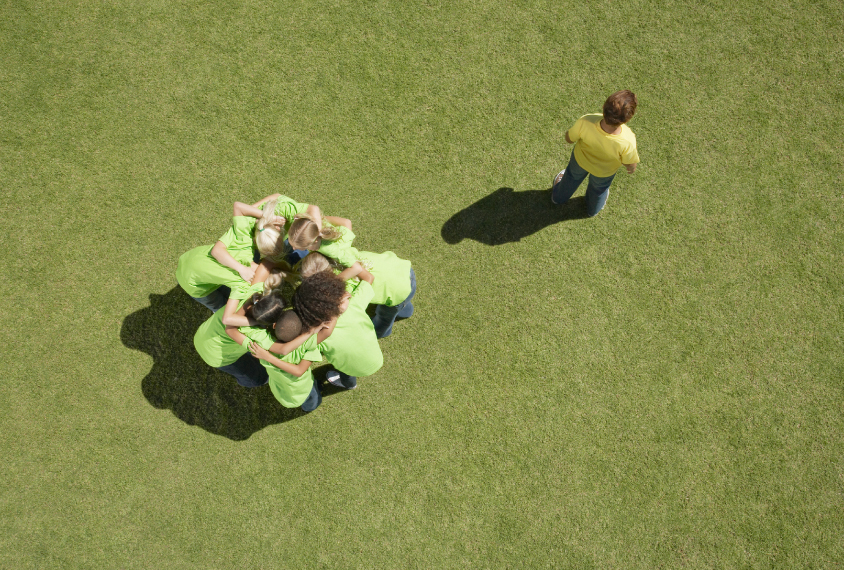
The cost of a delayed autism diagnosis
Many people go more than half of their lives before learning that they are autistic; one writer on the spectrum believes we can do better.
The cost of a delayed autism diagnosis
Canada makes clinical trial data available to public
Canada's health department is now sharing study results on new drugs and treatments online. Transparency advocates want the United States to do the same.
Canada makes clinical trial data available to public

What it’s like to be autistic at an autism research conference
An autistic journalist is cautiously optimistic that the annual INSAR conference is becoming more inclusive of the autism community.
What it’s like to be autistic at an autism research conference
Explore more from The Transmitter
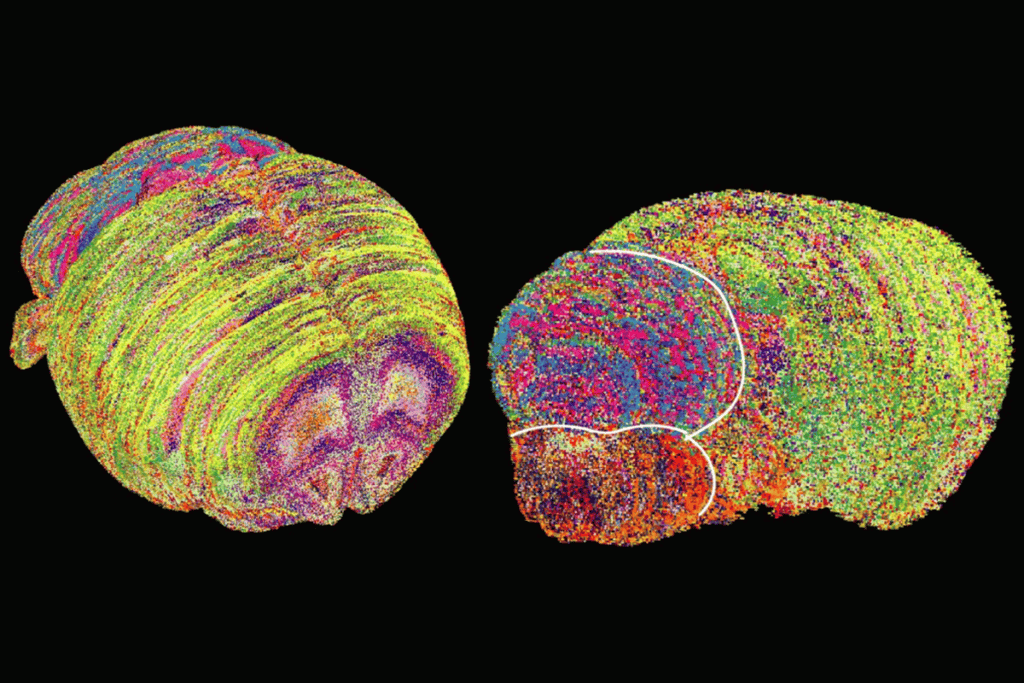
Lipids enter brain mapping limelight
Two new studies, including the first whole-brain lipid atlas in mice, uncover unforeseen complexity and influence during pregnancy and aging.
Lipids enter brain mapping limelight
Two new studies, including the first whole-brain lipid atlas in mice, uncover unforeseen complexity and influence during pregnancy and aging.
Behavioral phenomics in zebrafish; and more
Here is a roundup of autism-related news and research spotted around the web for the week of 26 October.
Behavioral phenomics in zebrafish; and more
Here is a roundup of autism-related news and research spotted around the web for the week of 26 October.
Neuroscience gave AI its start. What happens now?
David Sussillo maps the two fields' divergent paths, and where they might still meet.
Neuroscience gave AI its start. What happens now?
David Sussillo maps the two fields' divergent paths, and where they might still meet.