
Verónica Martínez-Cerdeño
Professor
University of California, Davis
From this contributor

Diversifying autism brain banks: Q&A with Verónica Martínez-Cerdeño
The postmortem brain tissue available for autism research is overwhelmingly from people of Western European heritage. Verónica Martínez-Cerdeño and her colleagues are working to change that.
Diversifying autism brain banks: Q&A with Verónica Martínez-Cerdeño
Explore more from The Transmitter
Preserving neuroscience history, one memoir at a time
Volume 14 of “The History of Neuroscience in Autobiography” was published this month. Series editors Larry Squire and Thomas Albright spoke with The Transmitter about how the volumes come together and why the two want to capture the personal side of the field.
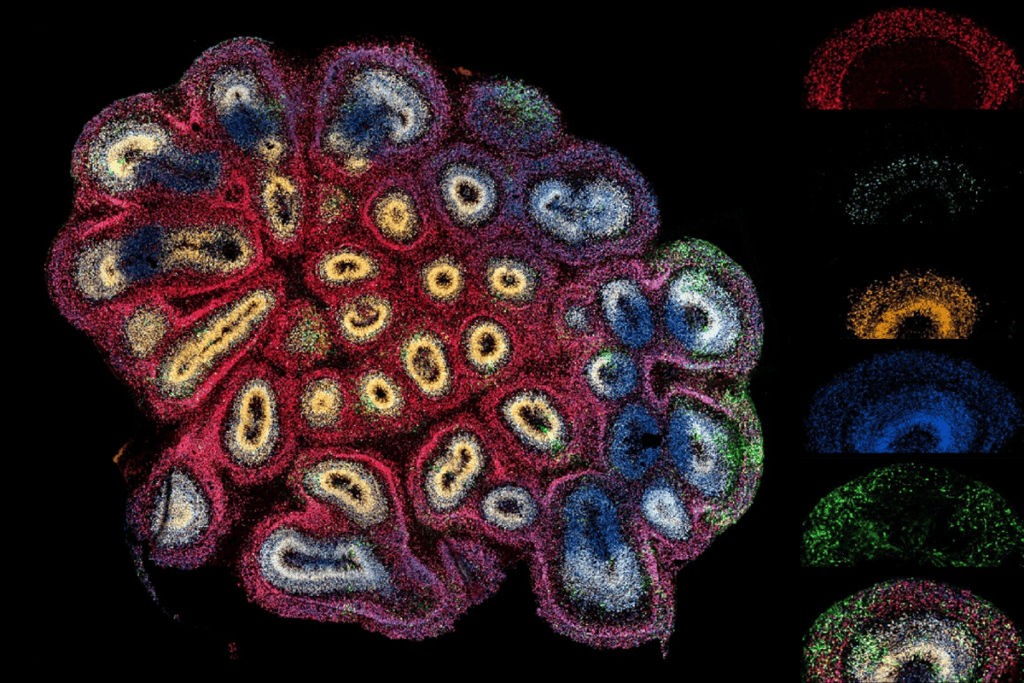
X chromosome gene may explain autism’s sex bias
“The field has been searching for this for a while,” says geneticist Donna Werling.
X chromosome gene may explain autism’s sex bias
“The field has been searching for this for a while,” says geneticist Donna Werling.
What do astrocytes do, and how can they be modeled?
Marja-Leena Linne discusses the emerging field of computational glioscience and describes how to model astrocytes’ effects on neuronal dynamics.
What do astrocytes do, and how can they be modeled?
Marja-Leena Linne discusses the emerging field of computational glioscience and describes how to model astrocytes’ effects on neuronal dynamics.