Neuroethics
Recent articles
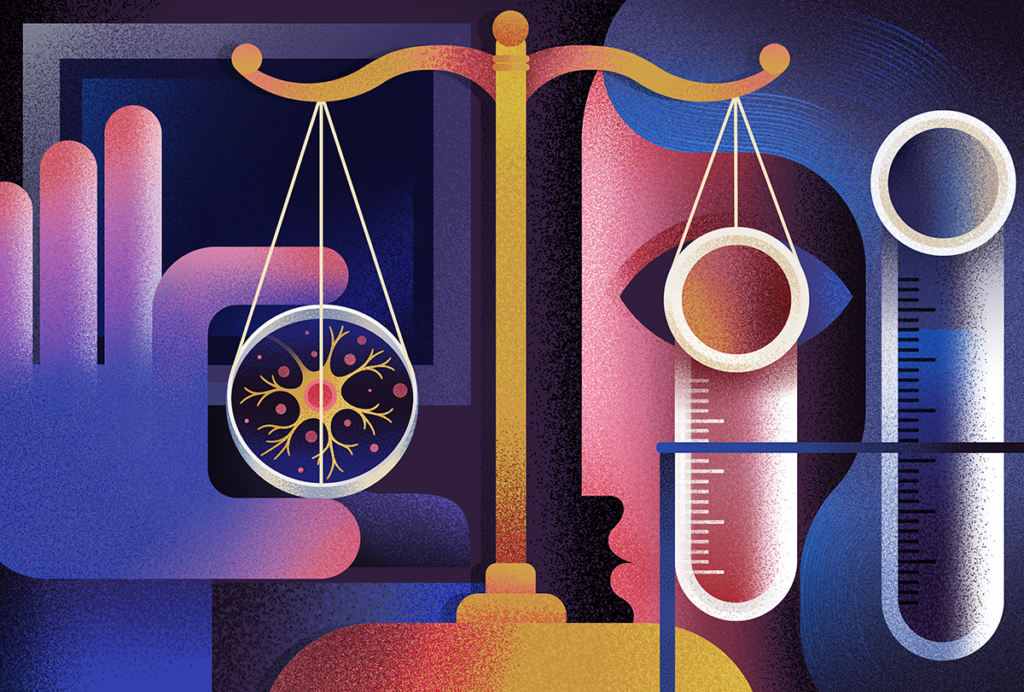
Every neuroscience lab needs an ethicist
The ethics issues that arise in neuroscience research are usually novel, unresolved and understudied. Embedding ethicists in labs helps scientists navigate these challenges and develop strategies in real time to prevent harm.
Every neuroscience lab needs an ethicist
The ethics issues that arise in neuroscience research are usually novel, unresolved and understudied. Embedding ethicists in labs helps scientists navigate these challenges and develop strategies in real time to prevent harm.

The Transmitter’s most-read neuroscience book excerpts of 2025
Books by Nachum Ulanovsky, Nicole Rust, and Andrew Iwaniuk and Georg Striedter made the list of some of the year's most engaging neuroscience titles.
The Transmitter’s most-read neuroscience book excerpts of 2025
Books by Nachum Ulanovsky, Nicole Rust, and Andrew Iwaniuk and Georg Striedter made the list of some of the year's most engaging neuroscience titles.
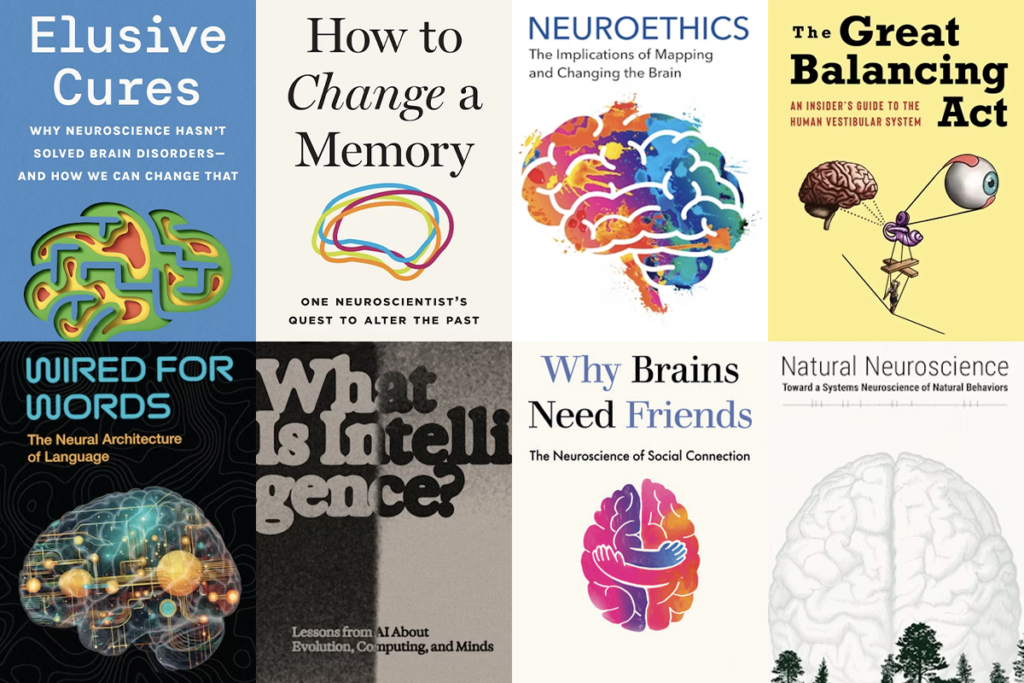
The Transmitter’s reading list: Six upcoming neuroscience books, plus notable titles in 2025
Dig into an exploration of the fundamental aspects of intelligence, a new textbook about theoretical neuroscience and a memoir about memory research, among other new releases.
The Transmitter’s reading list: Six upcoming neuroscience books, plus notable titles in 2025
Dig into an exploration of the fundamental aspects of intelligence, a new textbook about theoretical neuroscience and a memoir about memory research, among other new releases.
‘Bioethics and Brains: A Disciplined and Principled Neuroethics,’ an excerpt
In their new book, published earlier this week, Giordano and Shook examine how ethics can guide neuroscience research and its real-world applications.
‘Bioethics and Brains: A Disciplined and Principled Neuroethics,’ an excerpt
In their new book, published earlier this week, Giordano and Shook examine how ethics can guide neuroscience research and its real-world applications.
Explore more from The Transmitter
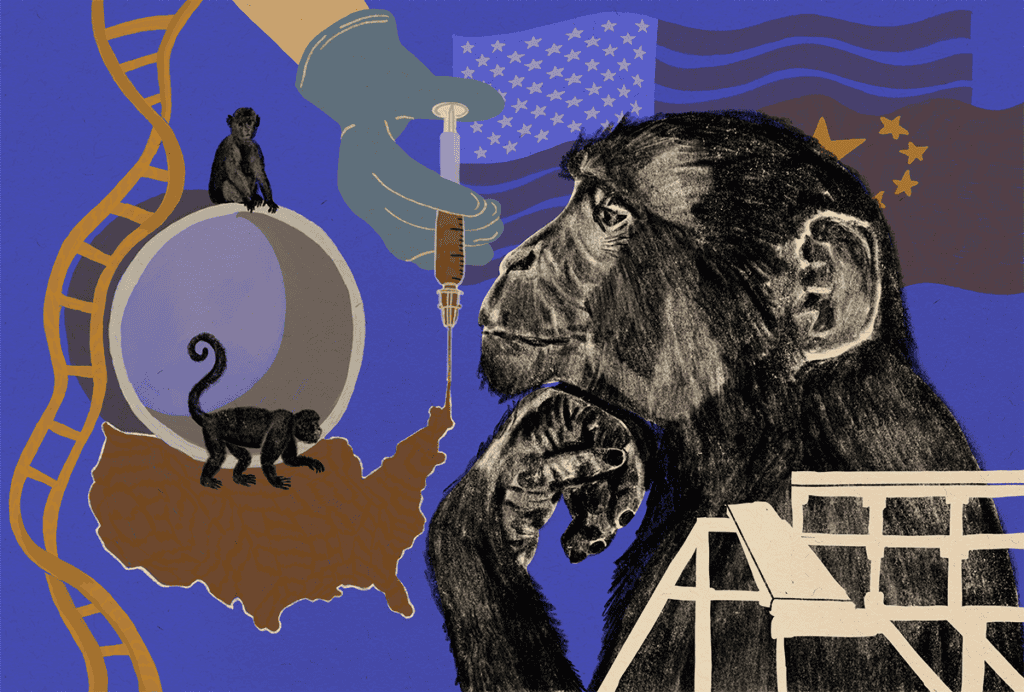
U.S. national primate research centers face an uncertain future
The facilities were meant to last 100 years. Four decades shy of that mark, amid flatlined funds and mounting political pressure, their directors are trying to find a path forward.
U.S. national primate research centers face an uncertain future
The facilities were meant to last 100 years. Four decades shy of that mark, amid flatlined funds and mounting political pressure, their directors are trying to find a path forward.
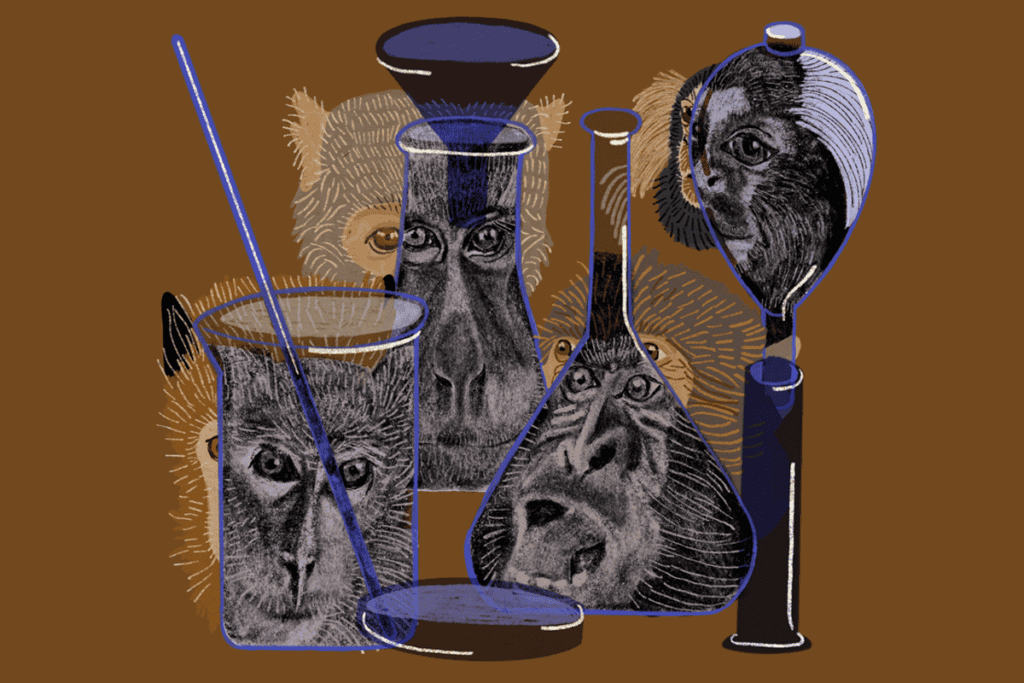
What if nonhuman primate research goes away?
As the U.S. government takes steps to stop using nonhuman primates in research, The Transmitter investigates what that shift could mean for neuroscience.
What if nonhuman primate research goes away?
As the U.S. government takes steps to stop using nonhuman primates in research, The Transmitter investigates what that shift could mean for neuroscience.
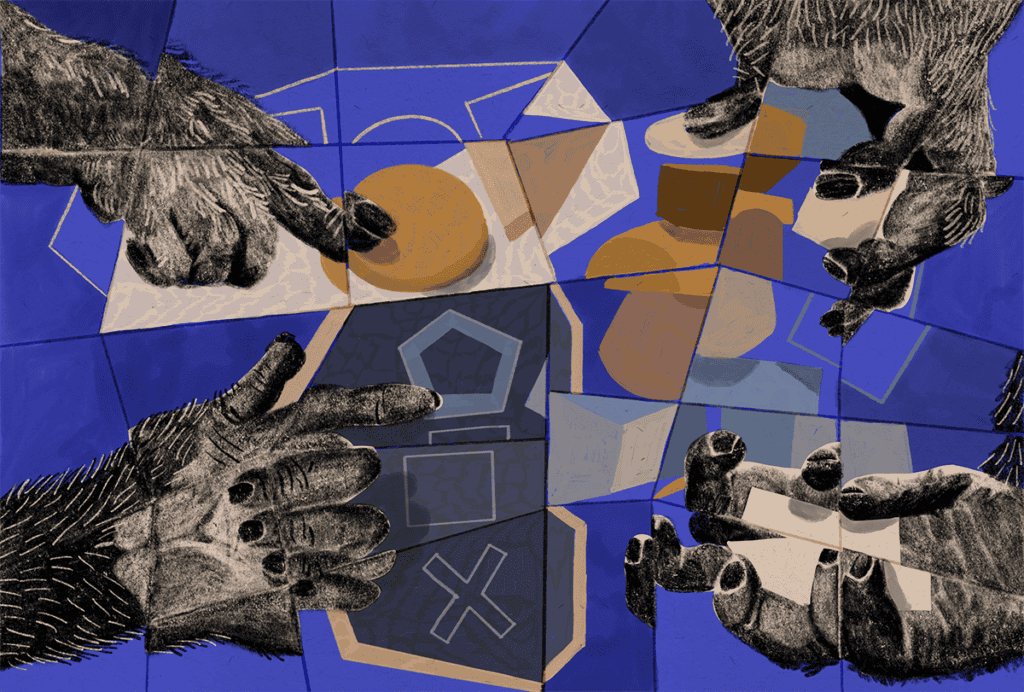
The neuroscience questions that need nonhuman primates
The Transmitter asked 17 neuroscientists what questions might remain unanswered if support for nonhuman primate research continues to decline.
The neuroscience questions that need nonhuman primates
The Transmitter asked 17 neuroscientists what questions might remain unanswered if support for nonhuman primate research continues to decline.