Yihui Chang
Illustrator
From this contributor
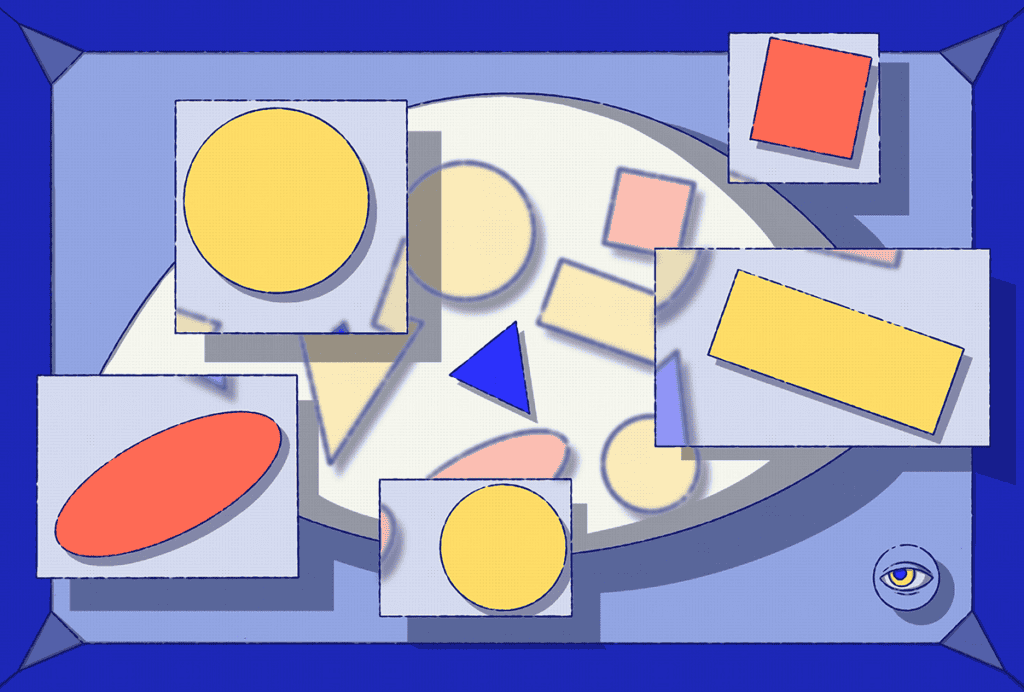
This paper changed my life: A first glimpse into the ‘middle’ of brain processing
Work by Jeffrey Moran and Robert Desimone showed that monkeys could focus their attention on different stimuli in their visual field without shifting their gaze. Their work marked a key milestone in the emergence of cognitive neuroscience.
This paper changed my life: A first glimpse into the ‘middle’ of brain processing
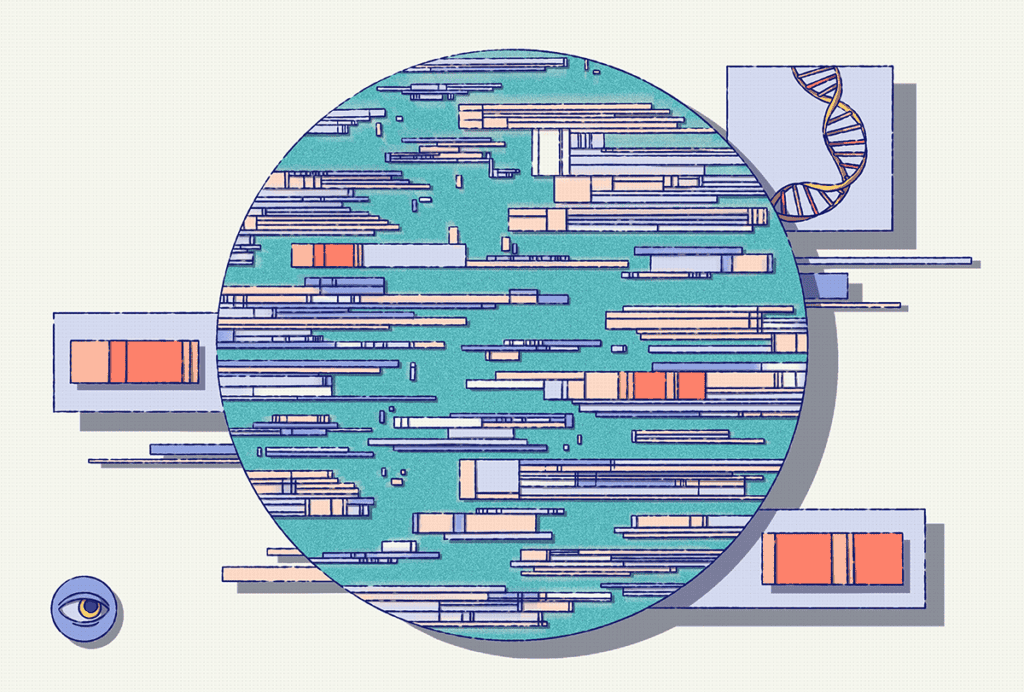
This paper changed my life: Transformative work in addiction neuroscience
A 2011 Nature study found that loss of a nicotinic receptor subunit leads to increased nicotine intake in mice. The work set the standard for how to functionally validate genetic association study findings in neuroscience.
This paper changed my life: Transformative work in addiction neuroscience
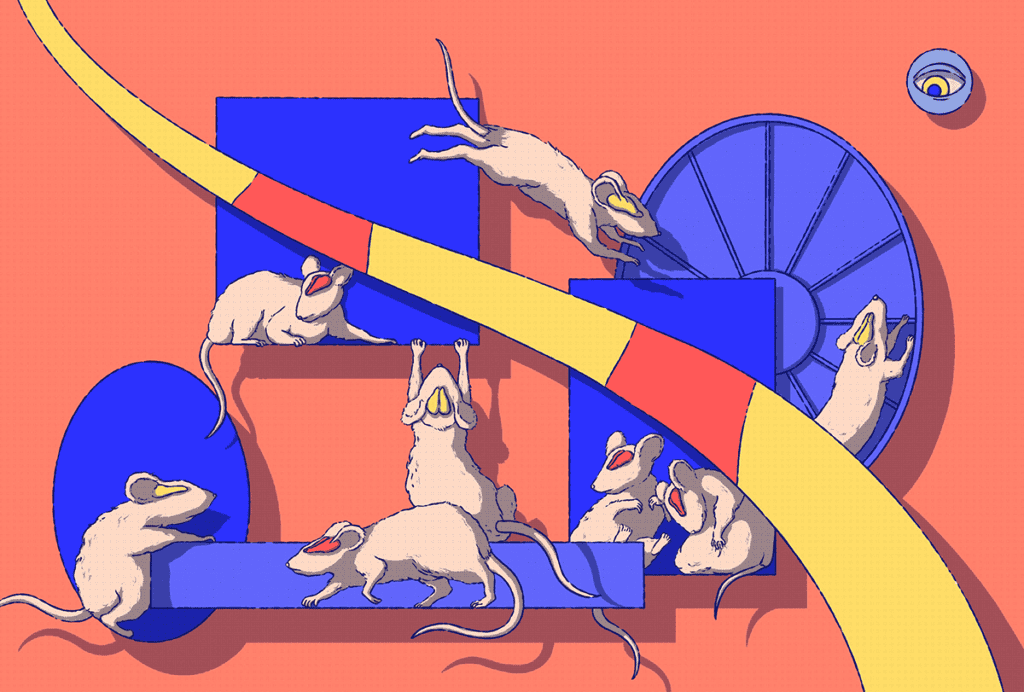
This paper changed my life: A technical breakthrough for memory studies
In a 2007 Science paper, Mark Mayford and his colleagues found that some neurons activated during learning are also recruited during memory retrieval. Noelia Weisstaub shares how this study and others drove an era of great progress in tool development.
This paper changed my life: A technical breakthrough for memory studies
Este artículo cambió mi vida: Un descubrimiento técnico para estudios de la memoria
En un artículo de Science del 2007, Mark Mayford y sus compañeros encontraron neuronas activadas durante el aprendizaje son reclutadas durante la recuperación de la memoria. Noela Weisstaub comparte como este estudio y otros impulsaron una era de gran progreso en el desarrollo de herramientas
Este artigo mudou minha vida: um avanço técnico para os estudos da memória
Em um artigo publicado na revista Science em 2007, Mark Mayford e seus colegas descobriram que alguns neurônios ativados durante a aprendizagem também são reativados durante a recuperação da memória. Noelia Weisstaub conta como esse e outros estudos impulsionaram uma era de grande progresso no desenvolvimento de ferramentas.
Este artigo mudou minha vida: um avanço técnico para os estudos da memória
Explore more from The Transmitter
Michael Breakspear and Mac Shine explain how brain processing changes across neural population scales
Breakspear and Shine find a scale-free property of brain activity that is conserved across diverse species, suggesting that a universal principle of brain activity underlies cognition.
Michael Breakspear and Mac Shine explain how brain processing changes across neural population scales
Breakspear and Shine find a scale-free property of brain activity that is conserved across diverse species, suggesting that a universal principle of brain activity underlies cognition.
Keith Hengen and Woodrow Shew explore criticality and cognition
The two discuss their evolving views of brain criticality as a central organizing principle of cognition, development and learning.
Keith Hengen and Woodrow Shew explore criticality and cognition
The two discuss their evolving views of brain criticality as a central organizing principle of cognition, development and learning.
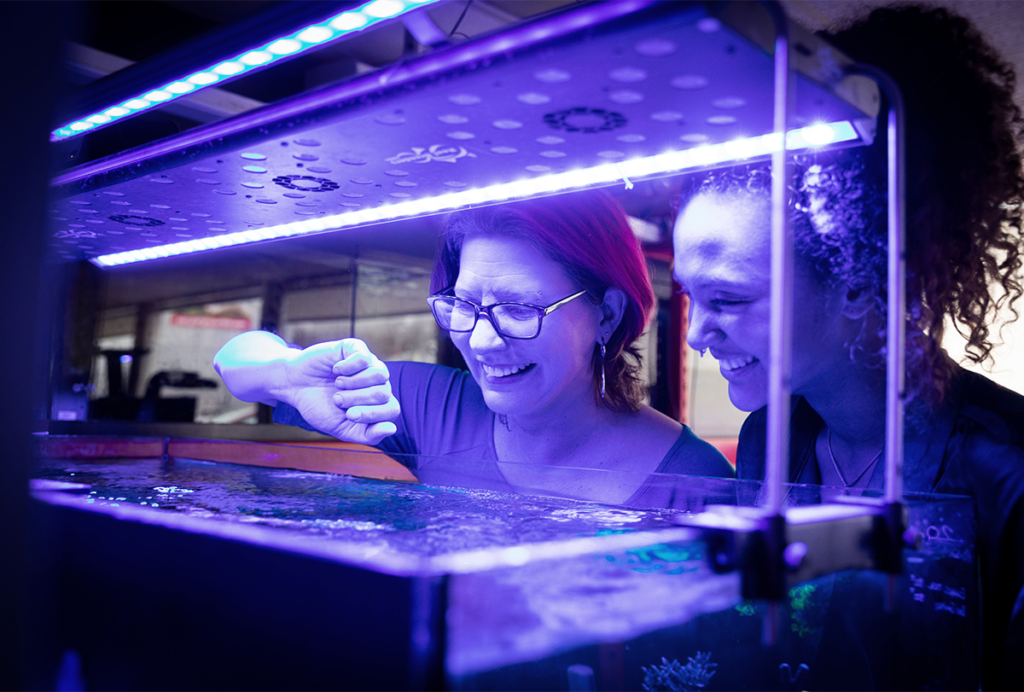
Cephalopods, vision’s next frontier
For decades, scientists have been teased by the strange but inaccessible cephalopod visual system. Now, thanks to a technological breakthrough from a lab in Oregon, data are finally coming straight from the octopus brain.
Cephalopods, vision’s next frontier
For decades, scientists have been teased by the strange but inaccessible cephalopod visual system. Now, thanks to a technological breakthrough from a lab in Oregon, data are finally coming straight from the octopus brain.