Forebrain
Recent articles
Cell ‘antennae’ link autism, congenital heart disease
Variants in genes tied to both conditions derail the formation of cilia, the tiny hair-like structure found on almost every cell in the body, a new study finds.
Cell ‘antennae’ link autism, congenital heart disease
Variants in genes tied to both conditions derail the formation of cilia, the tiny hair-like structure found on almost every cell in the body, a new study finds.
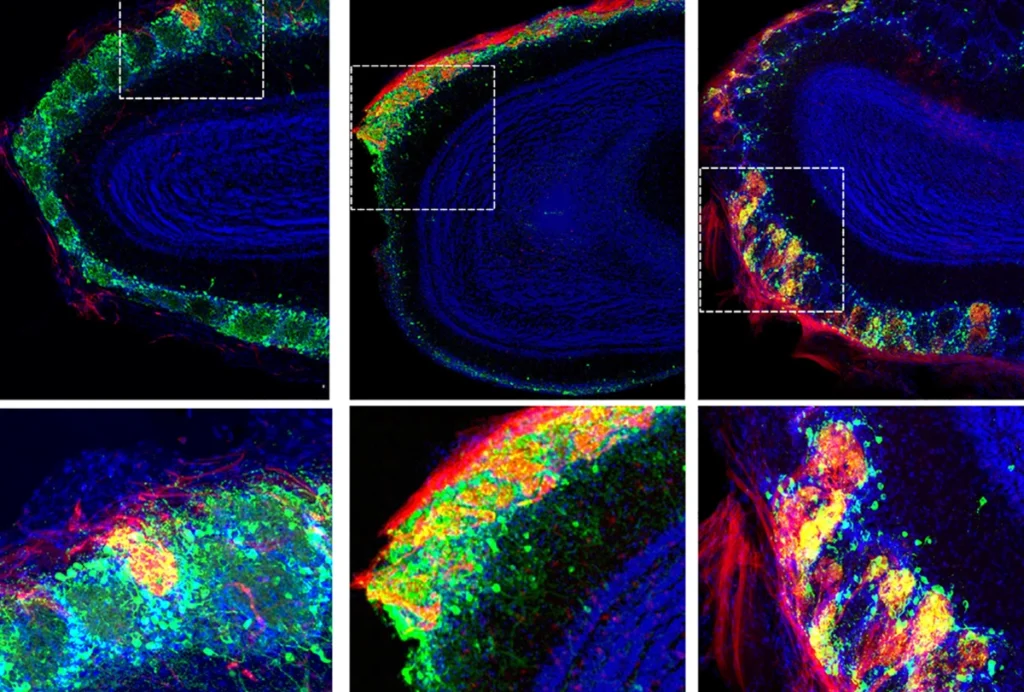
Rat neurons thrive in a mouse brain world, testing ‘nature versus nurture’
Neurons from the two rodents can wire up together to form functional circuits—all while maintaining some species-specific properties, two new studies show.
Rat neurons thrive in a mouse brain world, testing ‘nature versus nurture’
Neurons from the two rodents can wire up together to form functional circuits—all while maintaining some species-specific properties, two new studies show.
Explore more from The Transmitter
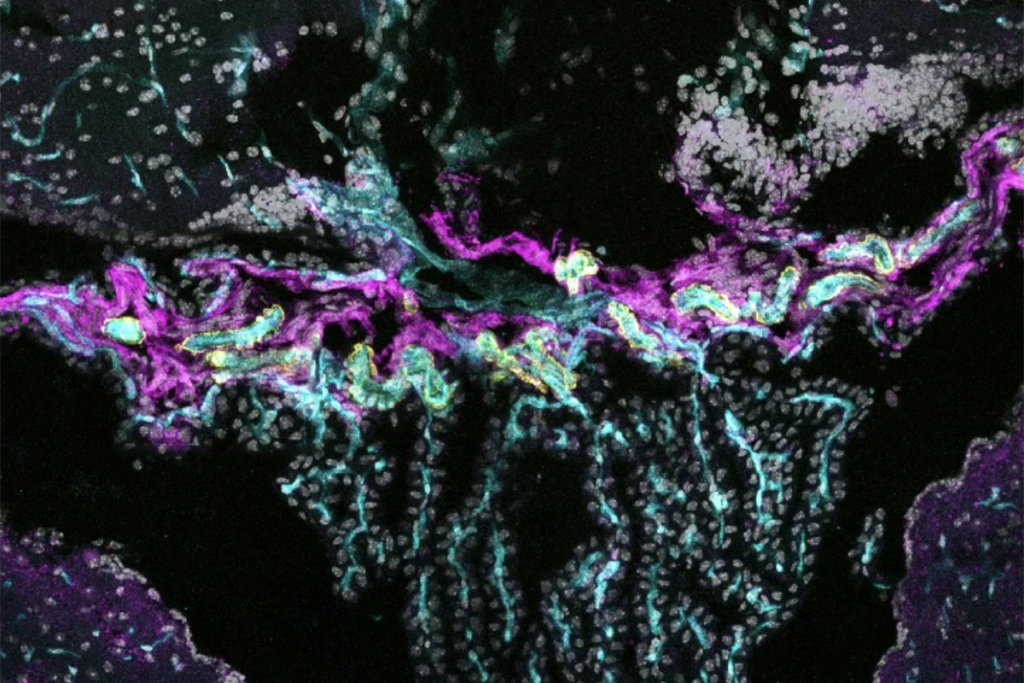
Newly identified barrier cells seal off choroid plexus from CSF, rest of brain
A long-overlooked layer of fibroblasts exists inside the choroid plexus of mice and humans, adding complexity to the area’s compartmentalization.
Newly identified barrier cells seal off choroid plexus from CSF, rest of brain
A long-overlooked layer of fibroblasts exists inside the choroid plexus of mice and humans, adding complexity to the area’s compartmentalization.
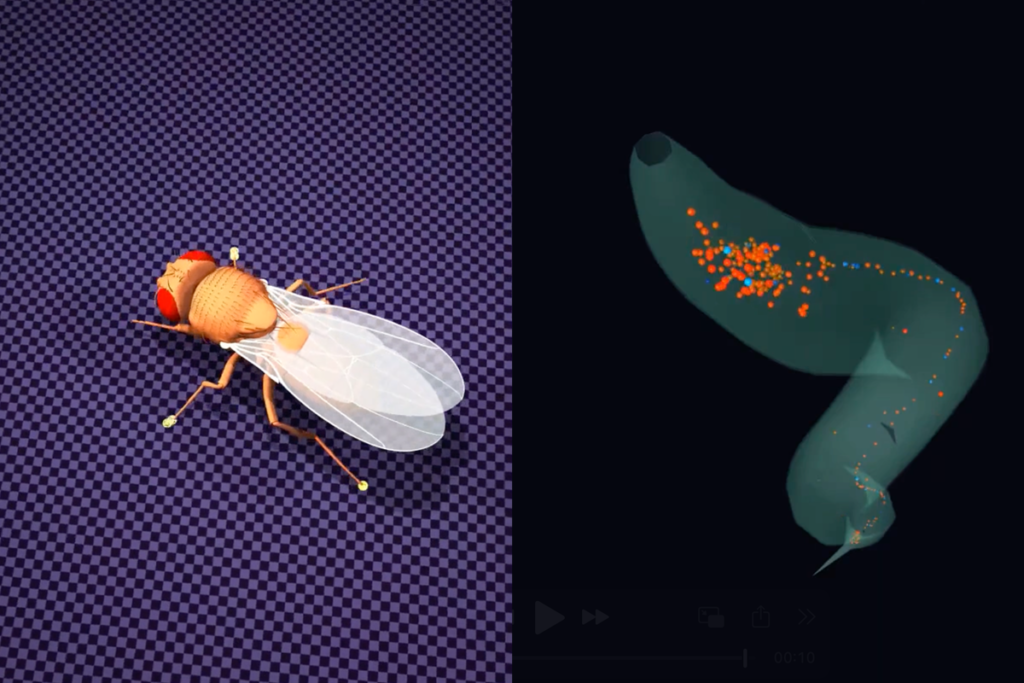
‘Digital sphinx’ raises questions about connectome models
The sphinx, with a worm’s brain and a fly’s body, illustrates the potential pitfalls of using deep-learning techniques to model biological processes.
‘Digital sphinx’ raises questions about connectome models
The sphinx, with a worm’s brain and a fly’s body, illustrates the potential pitfalls of using deep-learning techniques to model biological processes.
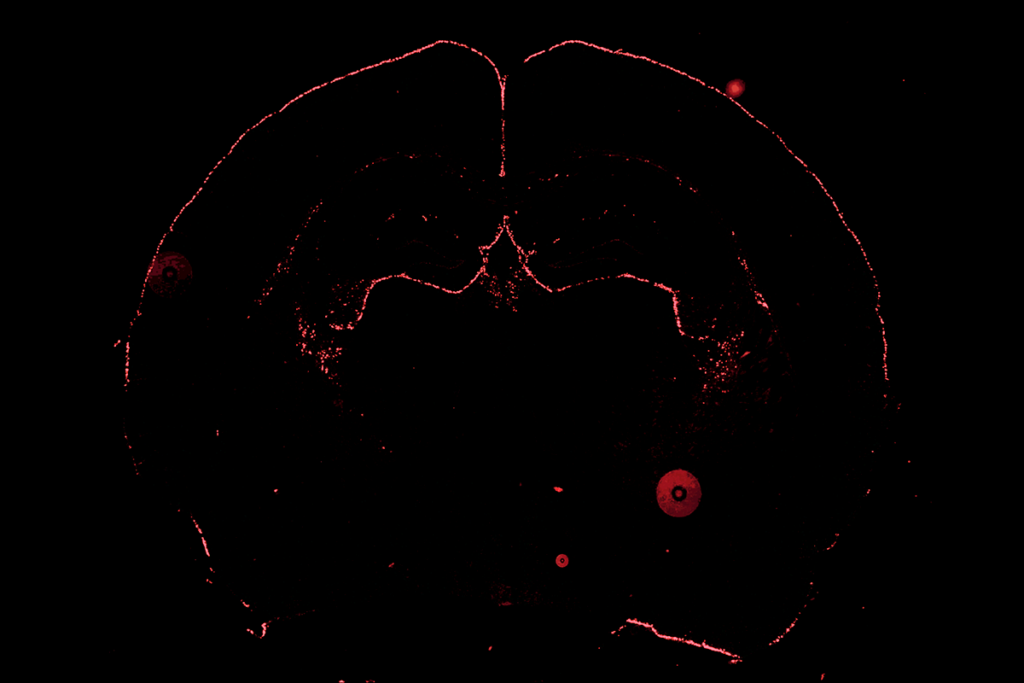
Taking a closer look at astrocytes and autism
These glial cells are increasingly linked to neurodevelopmental conditions and the regulation of social behaviors and anxiety.
Taking a closer look at astrocytes and autism
These glial cells are increasingly linked to neurodevelopmental conditions and the regulation of social behaviors and anxiety.