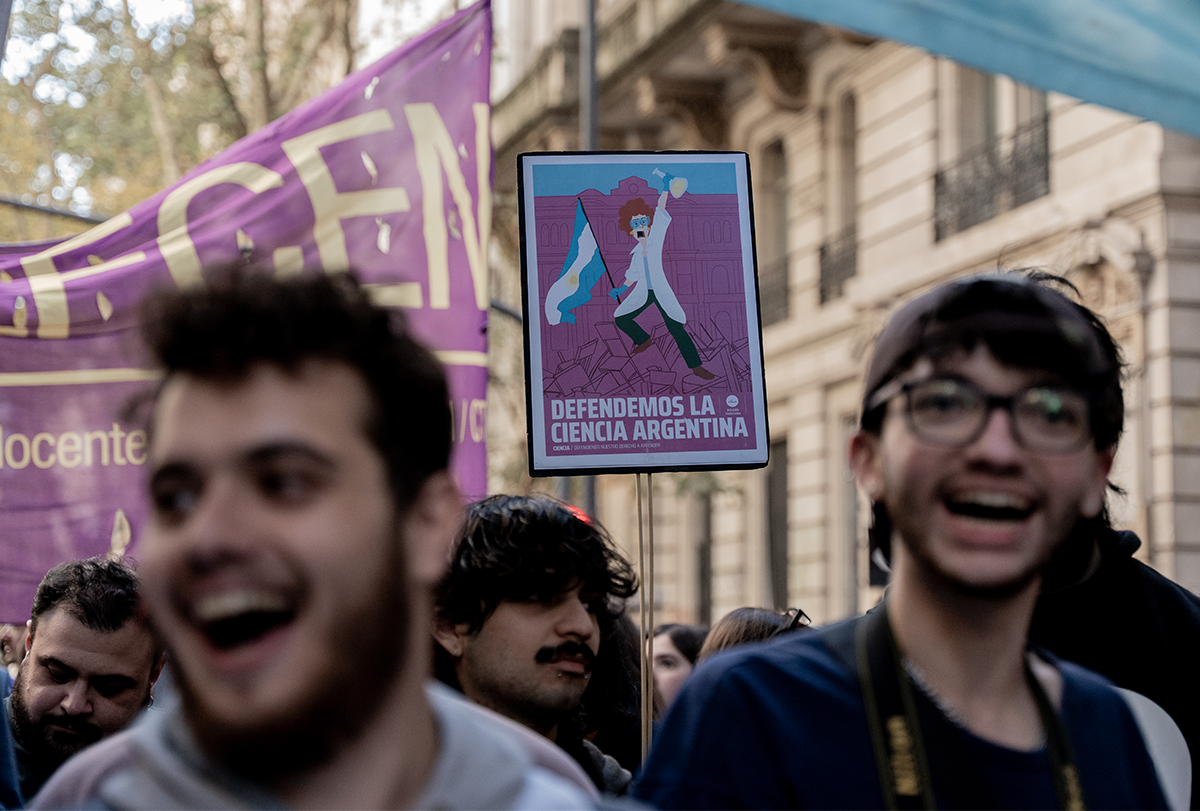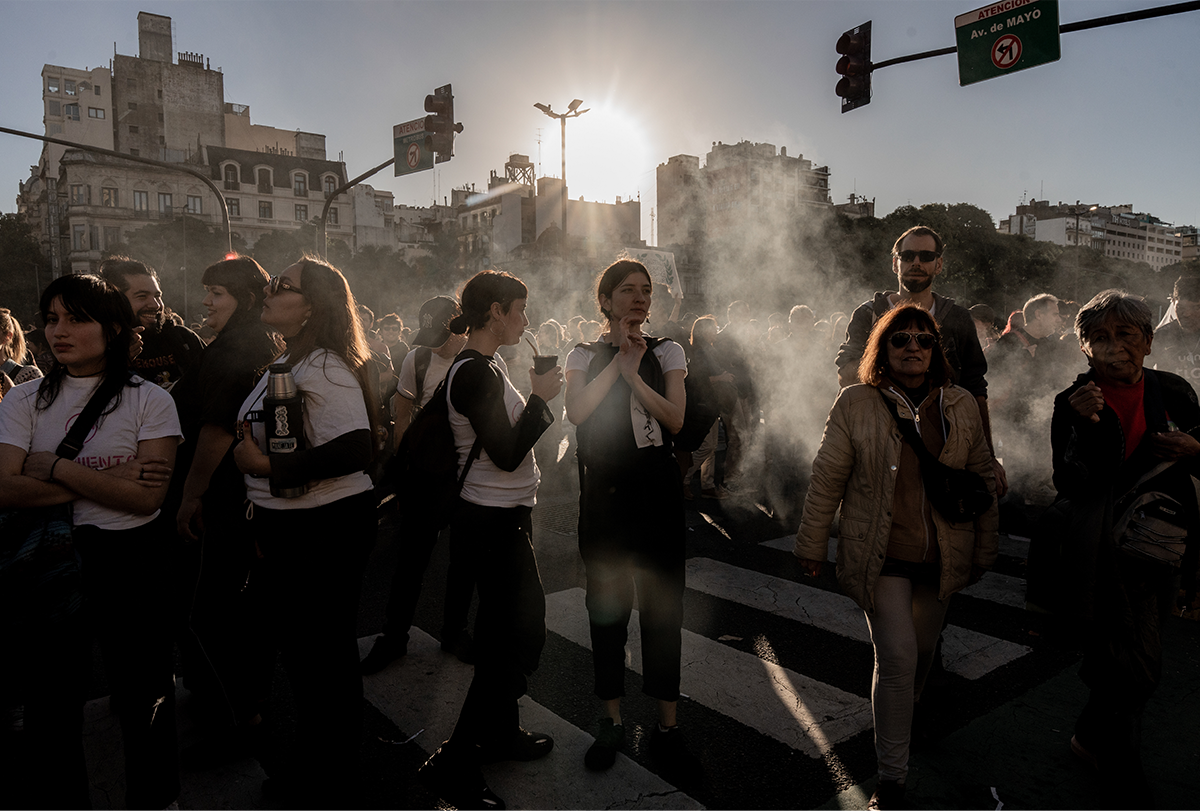
Massive mobilization: In response to falling salaries and a decreasing federal budget for science, researchers in Argentina gathered on 12 May in the afternoon for the fourth march for education, public universities and national science.
Photography by Anita Pouchard Serra
Add us as a Preferred Source on Google

Argentine protesters condemn science funding shortfall

Demonstrators across the country called for the government to increase public university salaries and funding for scientific research.

Claudia López Lloreda and Natalia Mesa conducted their interviews in Spanish, which they then translated into English.

On 12 May 2026, 1.5 million people in cities across Argentina participated in marches to advocate for university funding and inflation-adjusted increases in the salaries of public university staff and researchers, according to Franco Bartolacci, rector of the Universidad Nacional de Rosario and president of the National Inter-University Council, a national advocacy organization for Argentina’s public higher education system, which organized the protest.
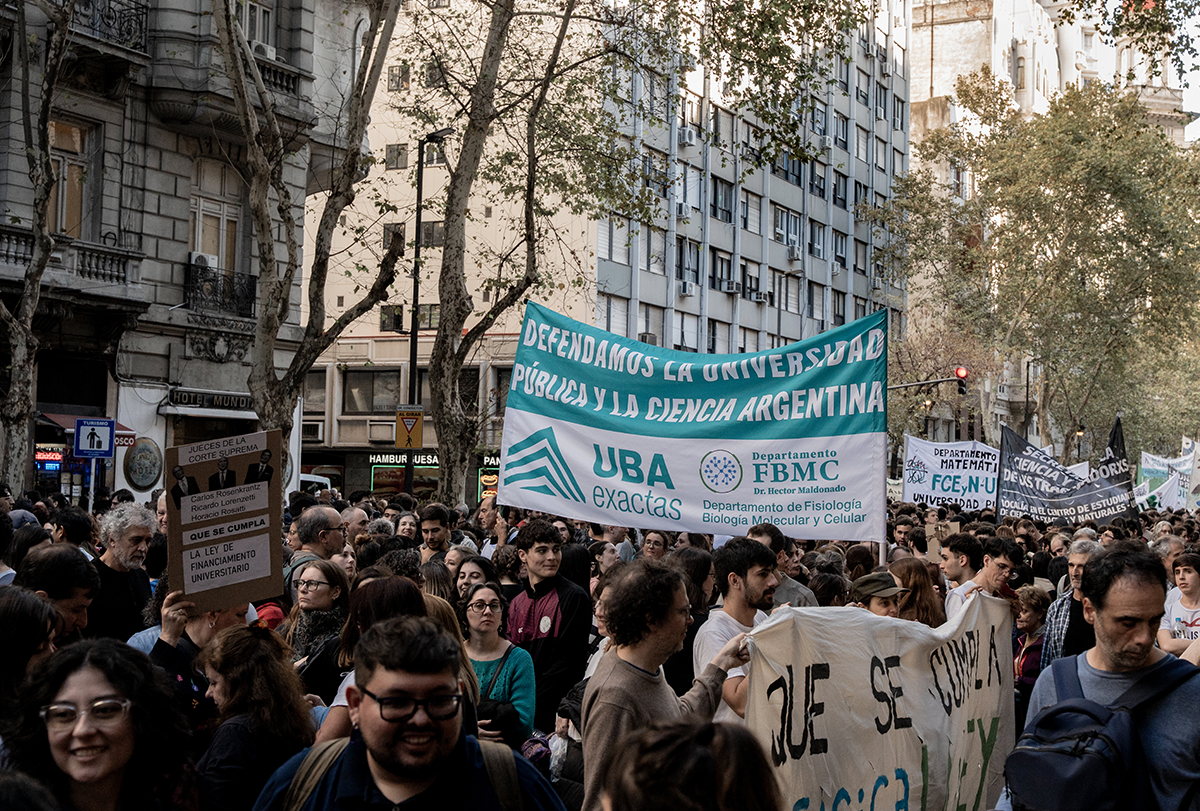
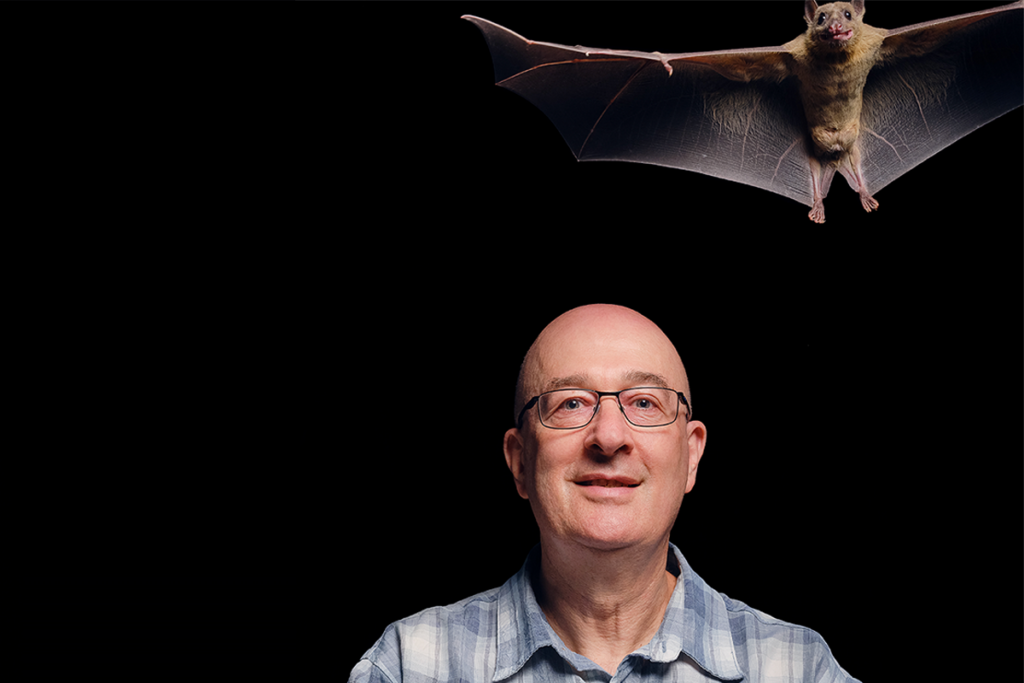
End of an era: Daniel Tomsic (pictured here), associate professor of neuroscience at the University of Buenos Aires, says he has received no scientific funding since President Javier Milei took office in December 2023. “I started my lab in 1998. I always had funding,” Tomsic says. “Now I am totally without funding for the first time in 30 years.”
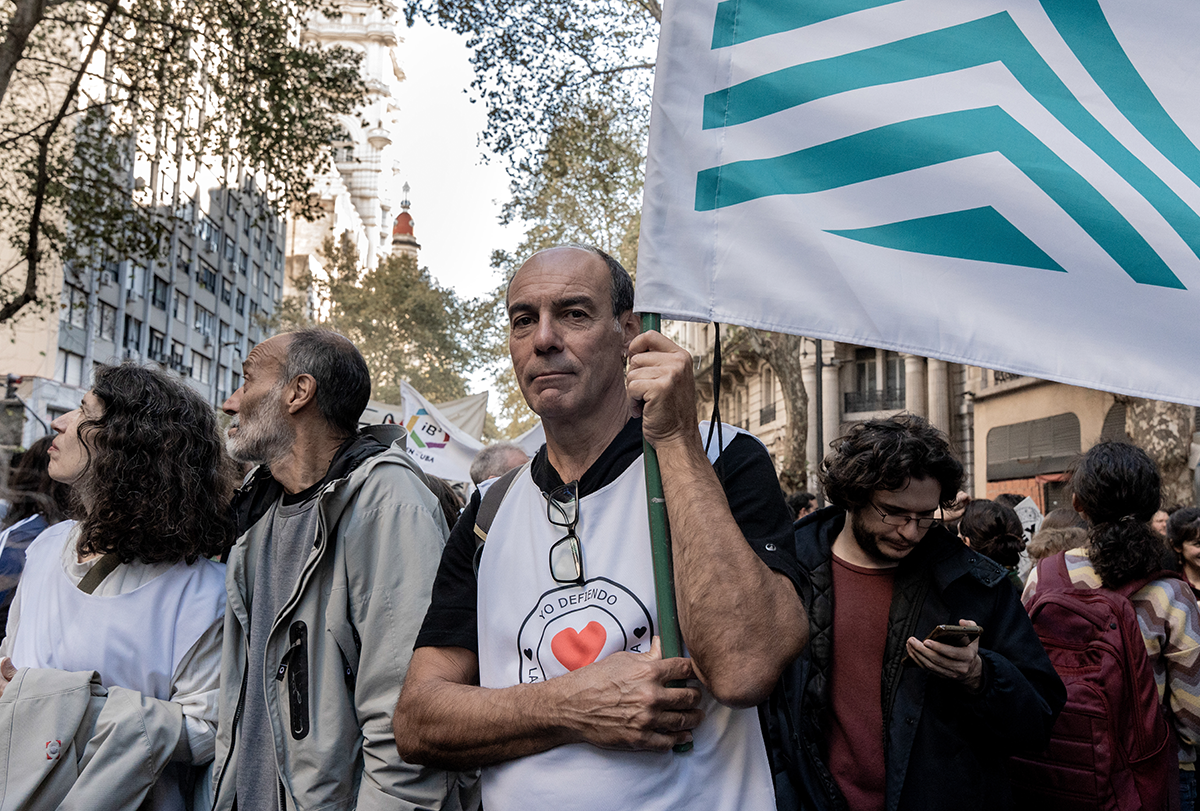
Disappearing science: Tomsic marched alongside other neuroscientists and faculty members in the physiology and cellular and molecular biology department at the University of Buenos Aires. “I’m not alone. The vast majority of my colleagues don’t have funding or students,” Tomsic says.
Researcher exodus: Scientists, especially young researchers, are increasingly considering leaving the country or temporarily relocating because of the growing financial and institutional pressures affecting Argentina’s scientific system, says Spring Valdivia, a researcher affiliated with the University of Buenos Aires and the National Scientific and Technical Research Council (CONICET), Argentina’s main science agency, but who is currently on a leave of absence. Valdivia says she could not afford to live in Buenos Aires, so after commuting for some time between La Plata and Buenos Aires, Valdivia decided to temporarily relocate to Uruguay while remaining connected to her research work remotely. “The fact that I lacked the funds to conduct even basic experiments made it pointless to spend money on the commute.”
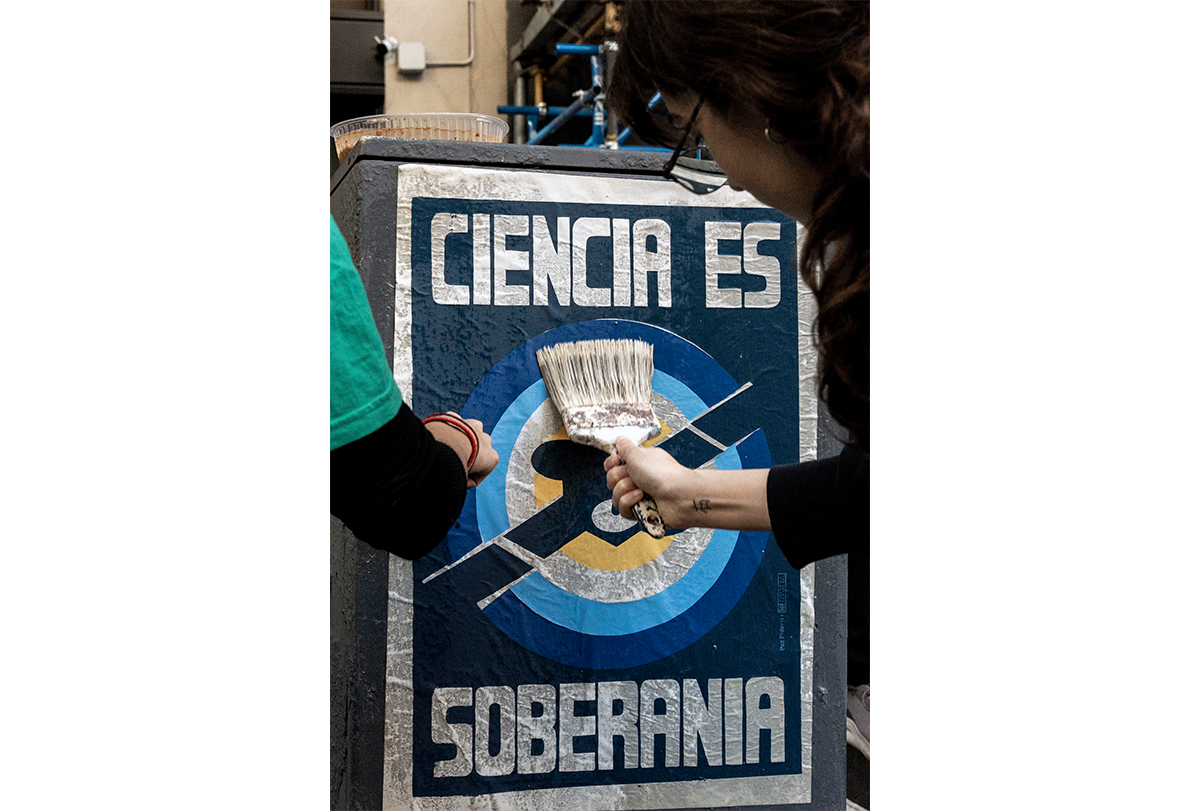
Safeguarding schools: “Ciencia es soberania,” which translates to “Science is sovereignty,” is a popular slogan in Argentina. “There is no country without science or education,” Bartolacci says.
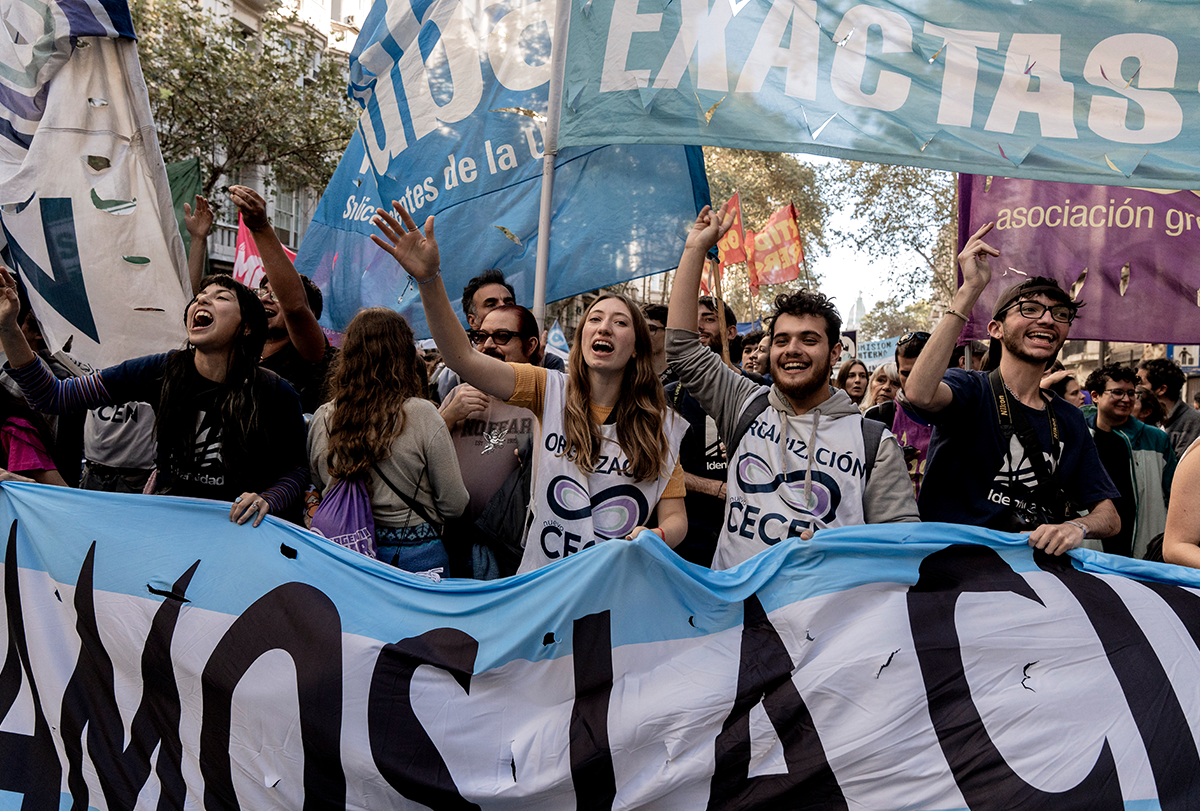
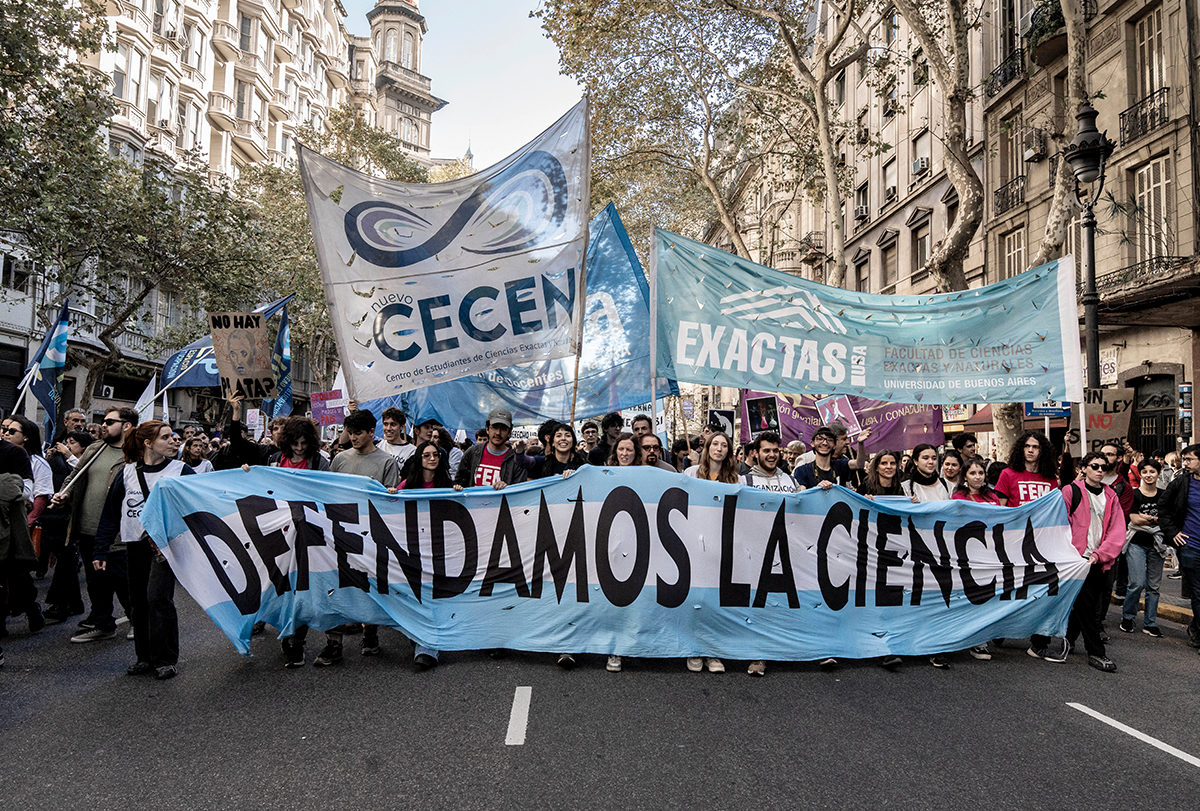
Defending science: Joaquín Braude de López (second from right), an undergraduate student in physics and president of the Student Union of Exact and Natural Sciences at the University of Buenos Aires, marched next to Ibi Gal (third from right), an undergraduate student in data science and vice president of the union.
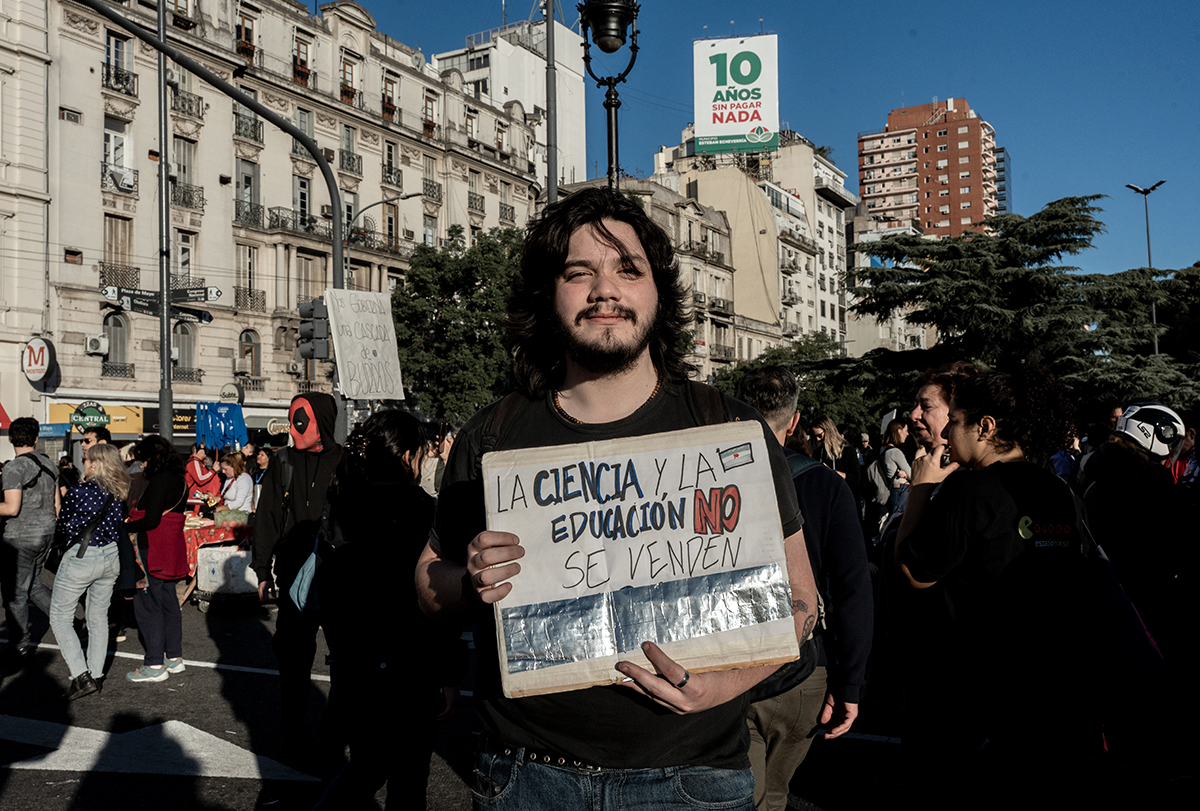
Science not for sale: Approximately 600,000 people joined the march in Buenos Aires, many with signs, including this man with a handwritten message that translates: “Science and education are not for sale.”
Uncertain future: The protestors marched along the Avenida de Mayo, which joins the Casa Rosada, the headquarters of the president, with the National Congress building. “There were a lot of people there, and it’s nice when you’re there and feel a sense of solidarity,” says Nara Muraro (not pictured), a CONICET researcher at the Biomedicine Research Institute of Buenos Aires, a partner institute of the Max Planck Society. “But at this point—given how bad everything is—I feel like it’s going to be difficult for anything to change for the better. So you go to the protest anyway, but you know it won’t accomplish anything, and that is very demotivating.”

Follow the latest on funding and science policy changes.

Sign up to receive alerts when we publish new stories.