Open access
Recent articles
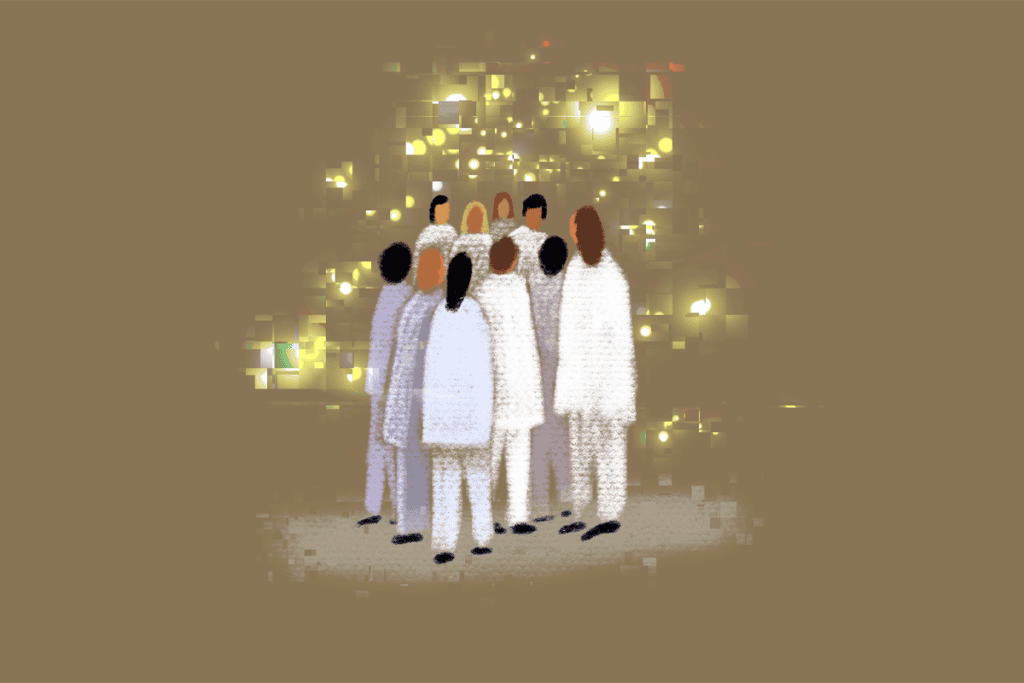
The promise of open neuroscience for Latin America
Two Uruguayan researchers explain how their work on computational tools to decode breathing from mouse video recordings could spark more open science initiatives in Latin America.
The promise of open neuroscience for Latin America
Two Uruguayan researchers explain how their work on computational tools to decode breathing from mouse video recordings could spark more open science initiatives in Latin America.
A promessa da neurociência aberta para a América Latina
Dois pesquisadores uruguaios explicam como seu trabalho com ferramentas computacionais para decodificar a respiração a partir de gravações em vídeo de camundongos pode inspirar novas iniciativas de ciência aberta na América Latina.
A promessa da neurociência aberta para a América Latina
Dois pesquisadores uruguaios explicam como seu trabalho com ferramentas computacionais para decodificar a respiração a partir de gravações em vídeo de camundongos pode inspirar novas iniciativas de ciência aberta na América Latina.
La promesa de la neurociencia abierta para Latinoamérica
Dos investigadores uruguayos explican cómo su trabajo en herramientas computacionales para decodificar la respiración a partir de grabaciones de video de ratones podría impulsar más iniciativas de ciencia abierta en América Latina.
La promesa de la neurociencia abierta para Latinoamérica
Dos investigadores uruguayos explican cómo su trabajo en herramientas computacionales para decodificar la respiración a partir de grabaciones de video de ratones podría impulsar más iniciativas de ciencia abierta en América Latina.

Open-access neuroscience comes to the classroom: Q&A with Liz Kirby
Neuroscience textbooks can be prohibitively expensive for some undergraduate students. A new open-access alternative seeks to change that.
Open-access neuroscience comes to the classroom: Q&A with Liz Kirby
Neuroscience textbooks can be prohibitively expensive for some undergraduate students. A new open-access alternative seeks to change that.
Explore more from The Transmitter
Is it time for neuroscience to shift its focus from a computational mind to a navigating mind?
Andrea Hiott explains her navigational approach to the mind, and why now is the time to embrace seemingly paradoxical findings in neuroscience.
Is it time for neuroscience to shift its focus from a computational mind to a navigating mind?
Andrea Hiott explains her navigational approach to the mind, and why now is the time to embrace seemingly paradoxical findings in neuroscience.
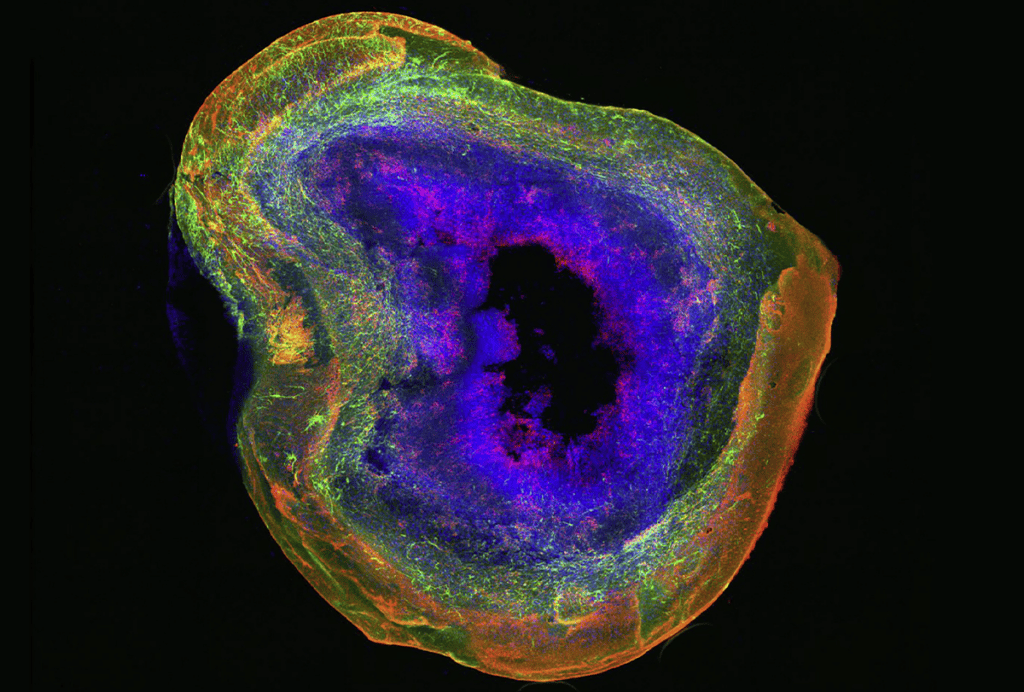
Human brain organoids come of age—but still have room to grow
The U.S. government has touted organoids as an alternative to animals for studying the brain. The model has improved since its debut in 2013, but scientists are still working to overcome key limitations: immaturity, consistency and the lack of vascularization.
Human brain organoids come of age—but still have room to grow
The U.S. government has touted organoids as an alternative to animals for studying the brain. The model has improved since its debut in 2013, but scientists are still working to overcome key limitations: immaturity, consistency and the lack of vascularization.
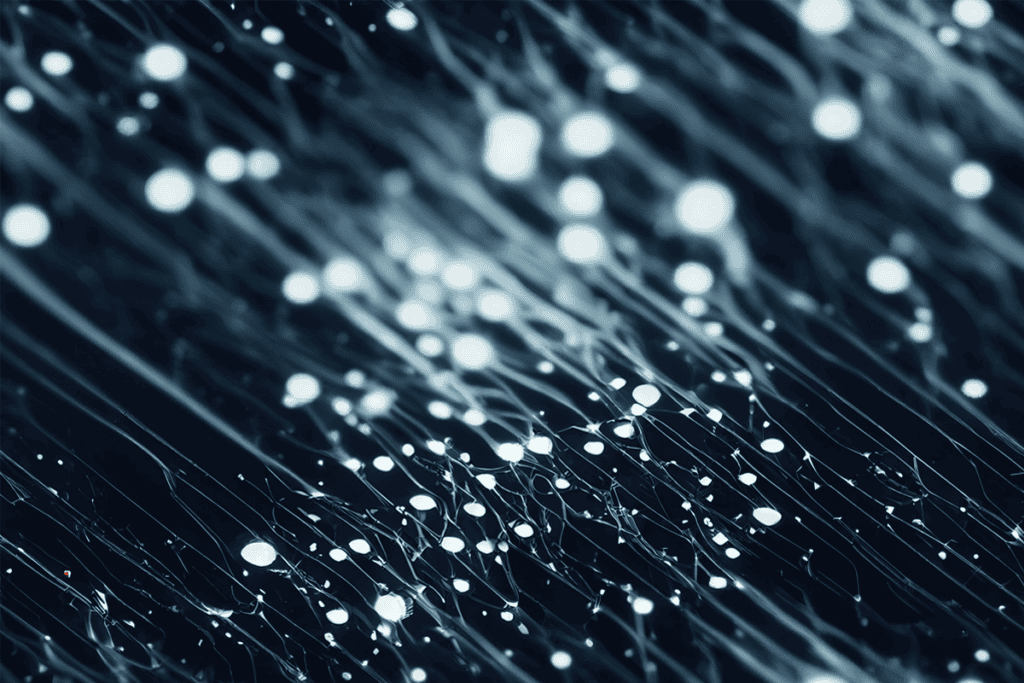
Finding neuroheterogeneity’s sweet spot
Once thought to be detrimental to memory processing, neuronal diversity—at the right ‘Goldilocks’ dose—is a new boon to theoretical neuroscience.
Finding neuroheterogeneity’s sweet spot
Once thought to be detrimental to memory processing, neuronal diversity—at the right ‘Goldilocks’ dose—is a new boon to theoretical neuroscience.