Seeing is an energy-intensive activity, typically calling for oxygen to generate cellular fuel. But the inner retina of birds—unlike that of most other vertebrates—powers sight without it, according to a new study.
“While most people in the field were aware that the inner retina survives with low oxygen tension, this new paper has found that the inner avascular retina of birds works largely anaerobically,” explains Frank Schaeffel, senior professor of ophthalmology at the University of Tübingen, who was not involved in the study.
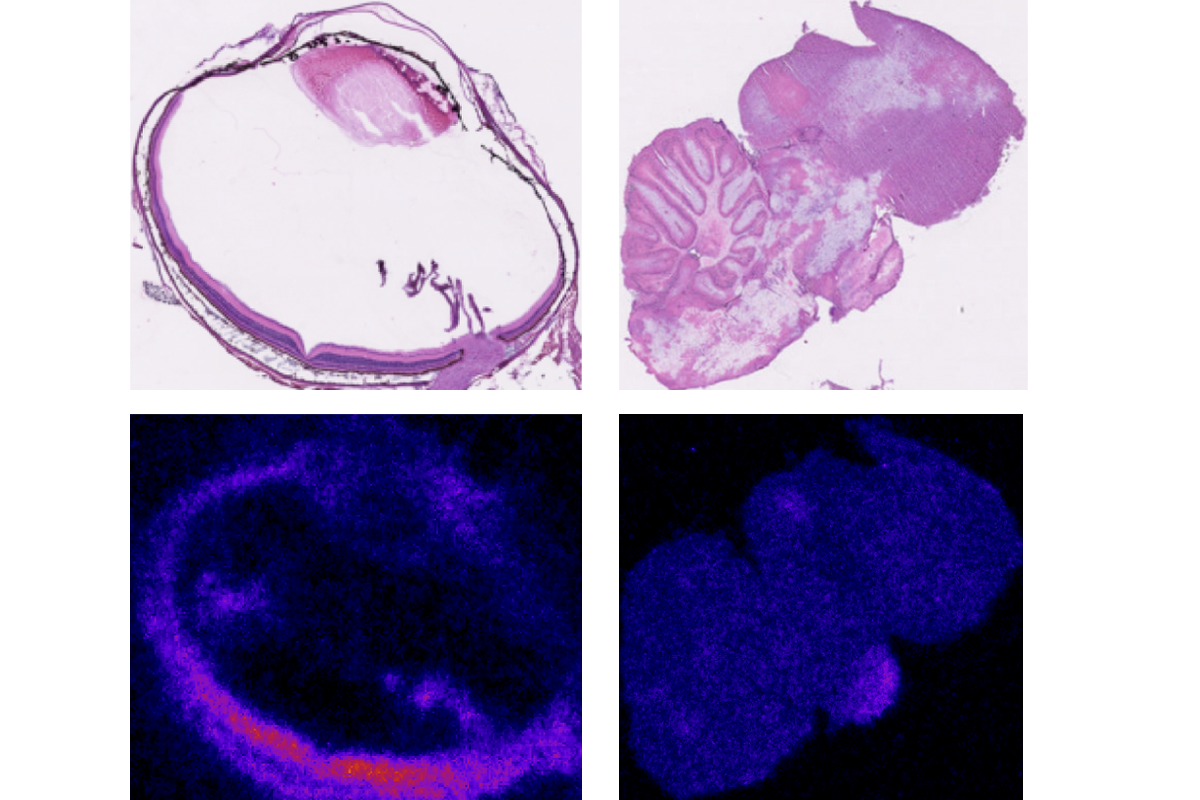
In birds, the inner retina instead meets its energy demands by breaking down glucose anaerobically, the new study shows. “Although this process is 15 times less efficient than oxygen-based metabolism, the tissue compensates through massive-scale glycolysis,” says study investigator Jens Nyengaard, professor of clinical medicine at Aarhus University.
The study “usefully expands our mammal-centric view of how vertebrate retinas can be organized metabolically,” says Thomas Baden, professor of neuroscience at the University of Sussex, who was not involved in the work.
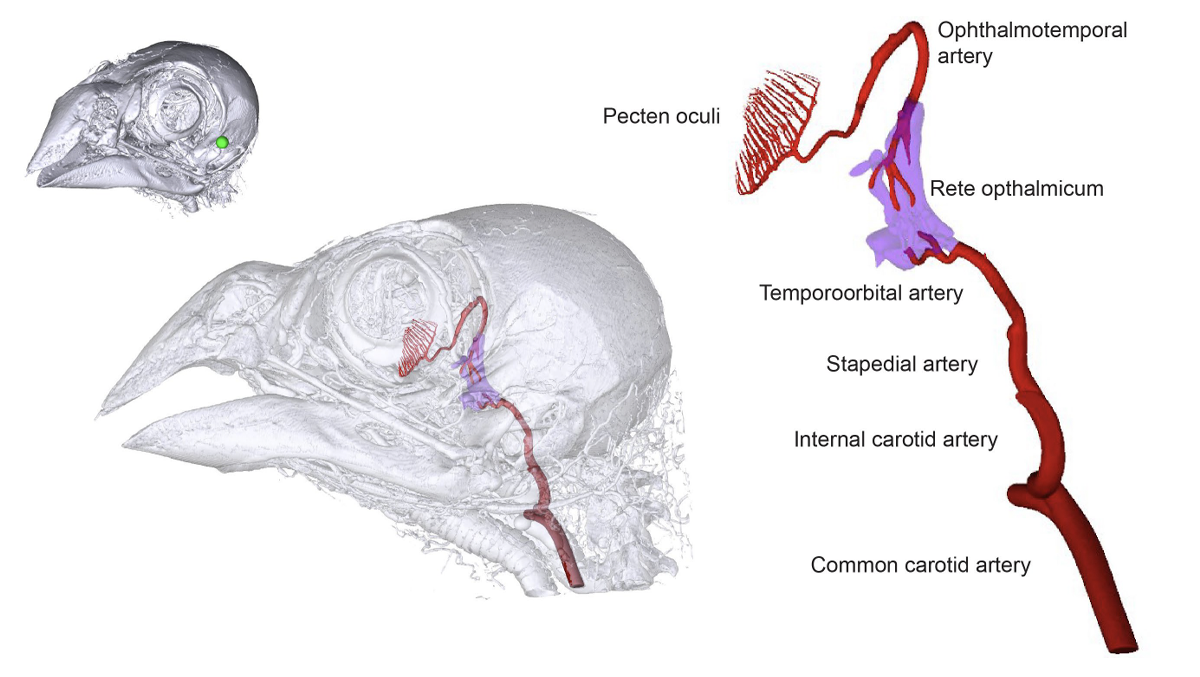
By combining direct physiologic measurements, physical models, metabolic tracers, and single-cell and spatial genomic analyses, Nyengaard and colleagues clarified the role of the pecten oculi, a structure unique to birds’ eyes. Only lizards and teleost fish have similar—but smaller—blood vessel-rich formations, called, respectively, the conus papillaris and the falciform process.
In all cases, it is a “heavily vascularized structure” that has been thought to oxygenate the inner retina, says Dan-Eric Nilsson, professor emeritus in sensory biology at Lund University, who was not involved in the study.
The new data, however, do not support this hypothesis. “Our study shows directly that the structure is not involved in oxygen supply, as previously assumed, but instead functions as a metabolic gateway between the blood and retina,” says study investigator Christian Damsgaard, a comparative physiologist at Aarhus University. “The pecten acts as a metabolic gateway, flooding the retina with up to three times more glucose than typical brain tissue and rapidly removing lactic acid and CO₂ to prevent toxic buildup.”
T
“The proposed model is still a hypothesis, but it is the best one we have,” says Michael Berenbrink, senior lecturer in the Department of Evolution, Ecology and Behaviour at the University of Liverpool, who was not involved in the study but co-authored a commentary about it. “Future studies could try to quantify the amount of energy provided to the retina via this new pathway,” he adds. “The proposed role of CO₂ removal from the inner retina via the pecten also deserves study, as sustained anaerobic metabolism of glucose should not generate any CO₂.”