2014: Year in review
Recent articles

Notable papers of 2014
It’s no easy feat to whittle down the list of the most influential autism papers to a mere 10. So please consider this but a taste of the burgeoning field, presented in chronological order and based on suggestions from many researchers.
Notable papers of 2014
It’s no easy feat to whittle down the list of the most influential autism papers to a mere 10. So please consider this but a taste of the burgeoning field, presented in chronological order and based on suggestions from many researchers.
Art on the spectrum
Nestled between galleries in Manhattan’s art district is a studio like no other. It brims with the energy of 40 artists, all of whom have autism.
Art on the spectrum
Nestled between galleries in Manhattan’s art district is a studio like no other. It brims with the energy of 40 artists, all of whom have autism.
Quotes of the year 2014
Here's a selection of our quotes, both pithy and funny, from news and opinion articles published in 2014.
Quotes of the year 2014
Here's a selection of our quotes, both pithy and funny, from news and opinion articles published in 2014.
Lessons from other fields
2014 has been a big year for autism research, with a long list of notable papers and advances. Still, there’s plenty for autism researchers to learn from the successes — and struggles — of their colleagues in other fields.
Lessons from other fields
2014 has been a big year for autism research, with a long list of notable papers and advances. Still, there’s plenty for autism researchers to learn from the successes — and struggles — of their colleagues in other fields.
Tomorrow’s tools
For 2014, rather than compile the ‘top tools and techniques’ — a list certain to include CRISPR and other technical tricks detailed in our weekly Toolboxes — we asked researchers to dream up the next big tool in autism research. Their wishes range from protein sequencers to scanners that can capture brain activity during daily activities.
Tomorrow’s tools
For 2014, rather than compile the ‘top tools and techniques’ — a list certain to include CRISPR and other technical tricks detailed in our weekly Toolboxes — we asked researchers to dream up the next big tool in autism research. Their wishes range from protein sequencers to scanners that can capture brain activity during daily activities.
Hot topics in 2014
From diagnosing autism on YouTube to a drug made from broccoli, 2014 was no stranger to controversy. But within some of these unusual studies lie important kernels for autism research.
Hot topics in 2014
From diagnosing autism on YouTube to a drug made from broccoli, 2014 was no stranger to controversy. But within some of these unusual studies lie important kernels for autism research.
Unsung heroes of autism research
When big research findings hit the press, it’s usually just the lead investigators who get the kudos. But they know their work stands on the shoulders of many, many individuals whose crucial roles go mostly unappreciated.
Unsung heroes of autism research
When big research findings hit the press, it’s usually just the lead investigators who get the kudos. But they know their work stands on the shoulders of many, many individuals whose crucial roles go mostly unappreciated.
Editors’ picks: Our favorite stories from 2014
This year was full of big headlines in autism research. But the biggest stories aren’t necessarily the best — here are some gems you may have missed over the year.
Editors’ picks: Our favorite stories from 2014
This year was full of big headlines in autism research. But the biggest stories aren’t necessarily the best — here are some gems you may have missed over the year.
Big changes ahead in 2015
2014 was a remarkable year for autism research, and behind the scenes at SFARI.org, too, there were seismic shifts. Here's how these changes will unfold over the coming year.
Big changes ahead in 2015
2014 was a remarkable year for autism research, and behind the scenes at SFARI.org, too, there were seismic shifts. Here's how these changes will unfold over the coming year.
Explore more from The Transmitter

Creating community through grant support
Fiona Sanderson, a senior program manager at the Brain Canada Foundation, shares how she got into grant administration and how she helps connect researchers with funding and one another.
Creating community through grant support
Fiona Sanderson, a senior program manager at the Brain Canada Foundation, shares how she got into grant administration and how she helps connect researchers with funding and one another.
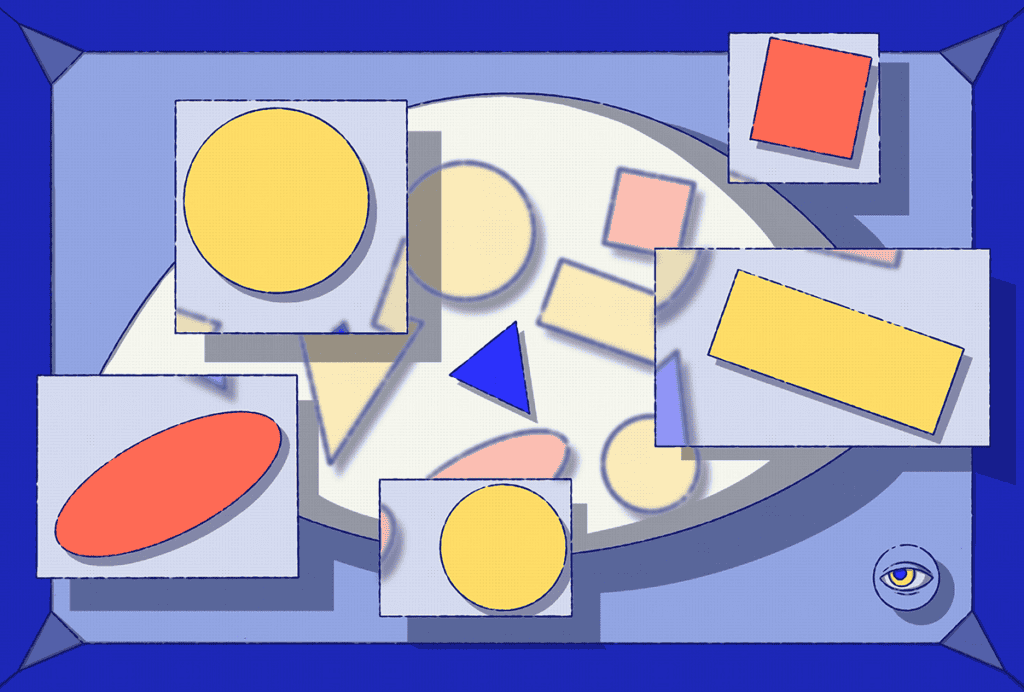
This paper changed my life: A first glimpse into the ‘middle’ of brain processing
Work by Jeffrey Moran and Robert Desimone showed that monkeys could focus their attention on different stimuli in their visual field without shifting their gaze. Their work marked a key milestone in the emergence of cognitive neuroscience.
This paper changed my life: A first glimpse into the ‘middle’ of brain processing
Work by Jeffrey Moran and Robert Desimone showed that monkeys could focus their attention on different stimuli in their visual field without shifting their gaze. Their work marked a key milestone in the emergence of cognitive neuroscience.
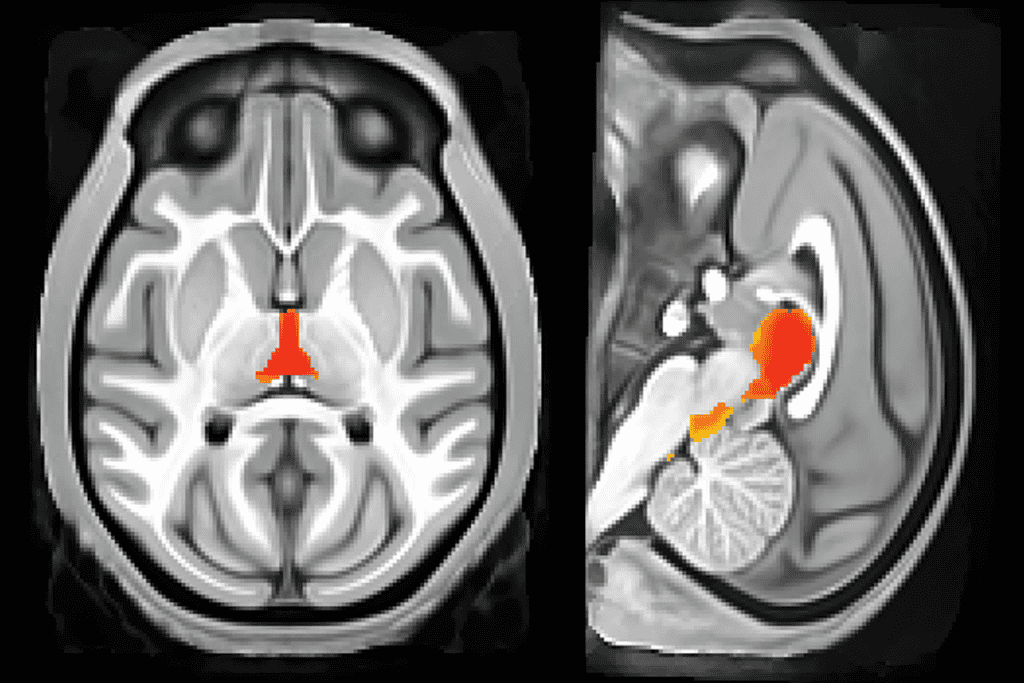
Acetaminophen effects on developing brain organoids; and more
Here is a roundup of autism-related news and research spotted around the web for the week of 12 October.
Acetaminophen effects on developing brain organoids; and more
Here is a roundup of autism-related news and research spotted around the web for the week of 12 October.