ASHG 2019
Recent articles
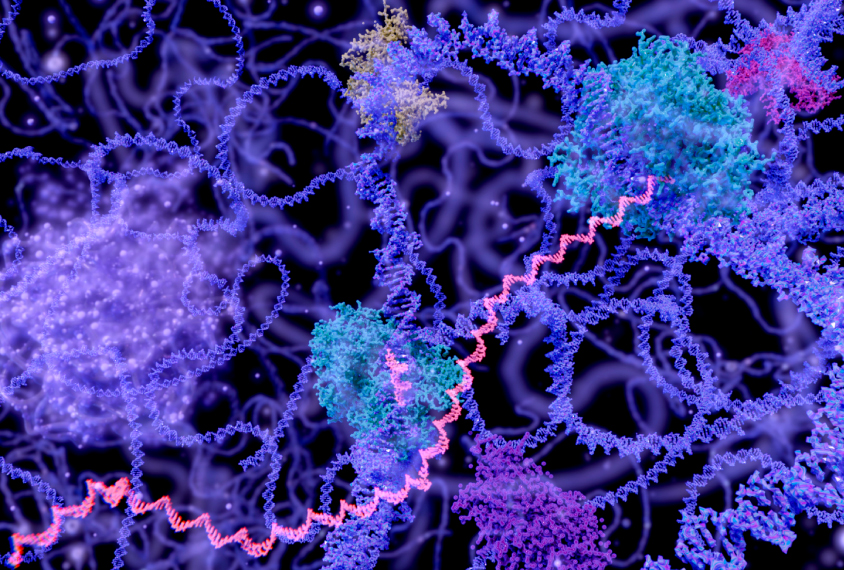
Antidote to ‘poison’ DNA may treat lethal form of epilepsy
An experimental drug silences a DNA segment and seems to prevent seizures and death in a condition related to autism.
Antidote to ‘poison’ DNA may treat lethal form of epilepsy
An experimental drug silences a DNA segment and seems to prevent seizures and death in a condition related to autism.
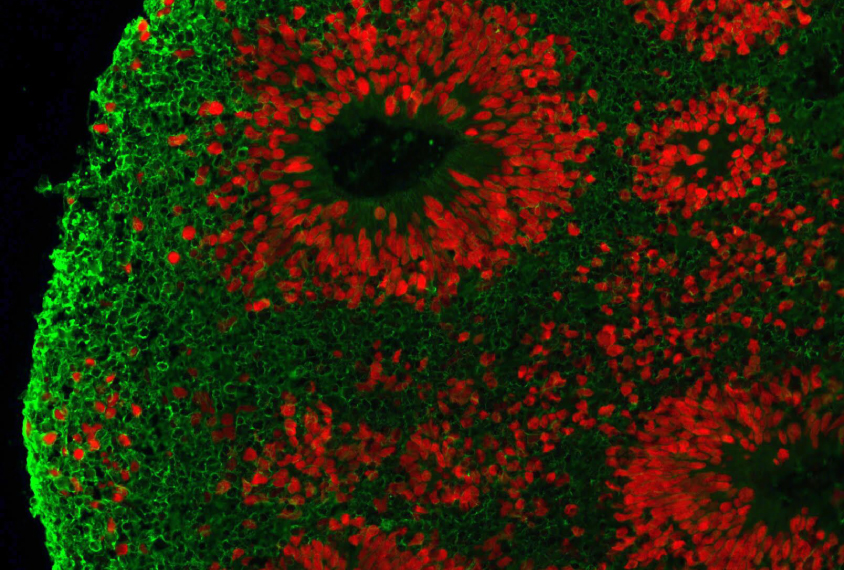
Brain ‘organoids’ point to new drug target for fragile X syndrome
New findings hint at why drugs that work in mouse models of fragile X syndrome have not been effective in people.
Brain ‘organoids’ point to new drug target for fragile X syndrome
New findings hint at why drugs that work in mouse models of fragile X syndrome have not been effective in people.
Massive project doubles list of genes tied to autism
The largest analysis of sequences from autistic people and their families implicates 184 genes in the condition — nearly doubling the previous estimate.
Massive project doubles list of genes tied to autism
The largest analysis of sequences from autistic people and their families implicates 184 genes in the condition — nearly doubling the previous estimate.
Explore more from The Transmitter
What a bird’s-eye view of half a million papers reveals about neuroscience
New research uses artificial-intellligence-driven bibliometrics to map the structural organization of neuroscience across 25 years. The field it reveals is at once thriving and theoretically adrift.
What a bird’s-eye view of half a million papers reveals about neuroscience
New research uses artificial-intellligence-driven bibliometrics to map the structural organization of neuroscience across 25 years. The field it reveals is at once thriving and theoretically adrift.
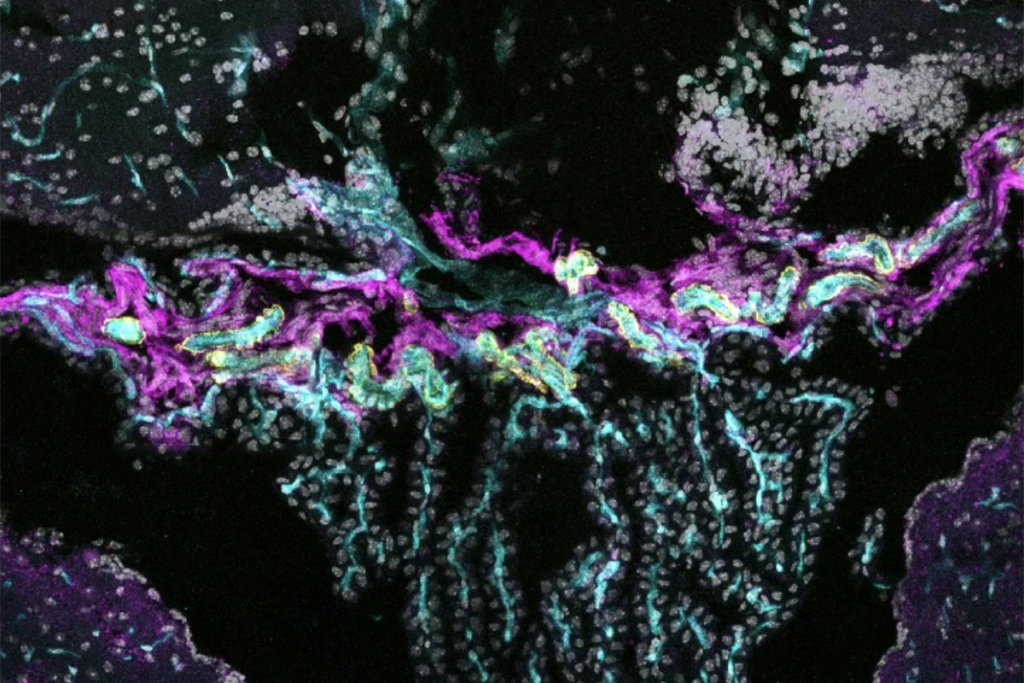
Newly identified barrier cells seal off choroid plexus from CSF, rest of brain
A long-overlooked layer of fibroblasts exists inside the choroid plexus of mice and humans, adding complexity to the area’s compartmentalization.
Newly identified barrier cells seal off choroid plexus from CSF, rest of brain
A long-overlooked layer of fibroblasts exists inside the choroid plexus of mice and humans, adding complexity to the area’s compartmentalization.
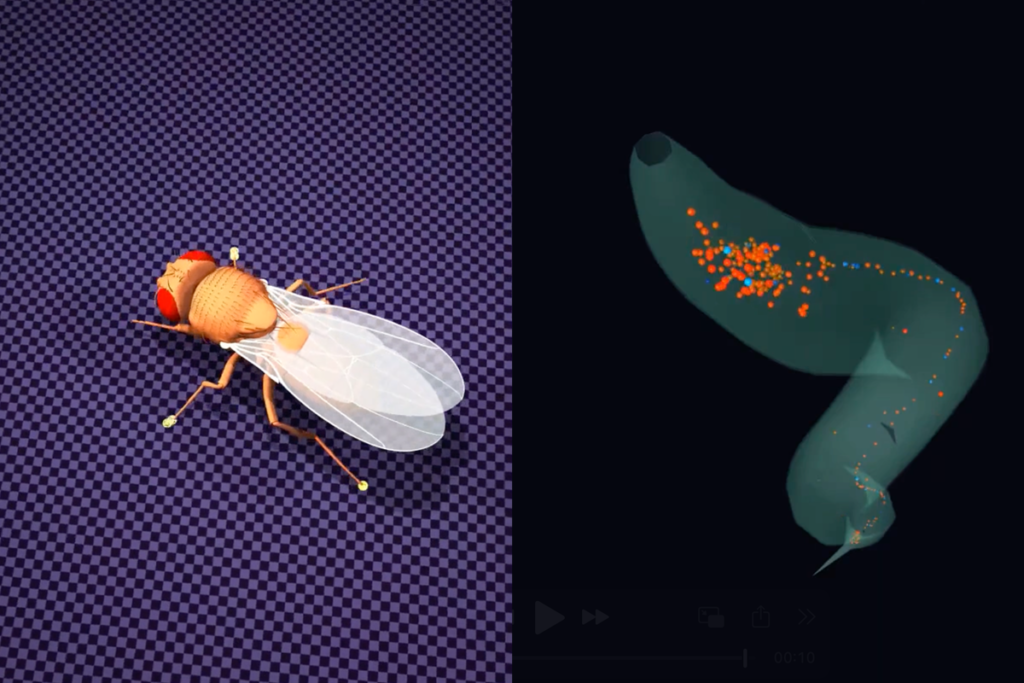
‘Digital sphinx’ raises questions about connectome models
The sphinx, with a worm’s brain and a fly’s body, illustrates the potential pitfalls of using deep-learning techniques to model biological processes.
‘Digital sphinx’ raises questions about connectome models
The sphinx, with a worm’s brain and a fly’s body, illustrates the potential pitfalls of using deep-learning techniques to model biological processes.