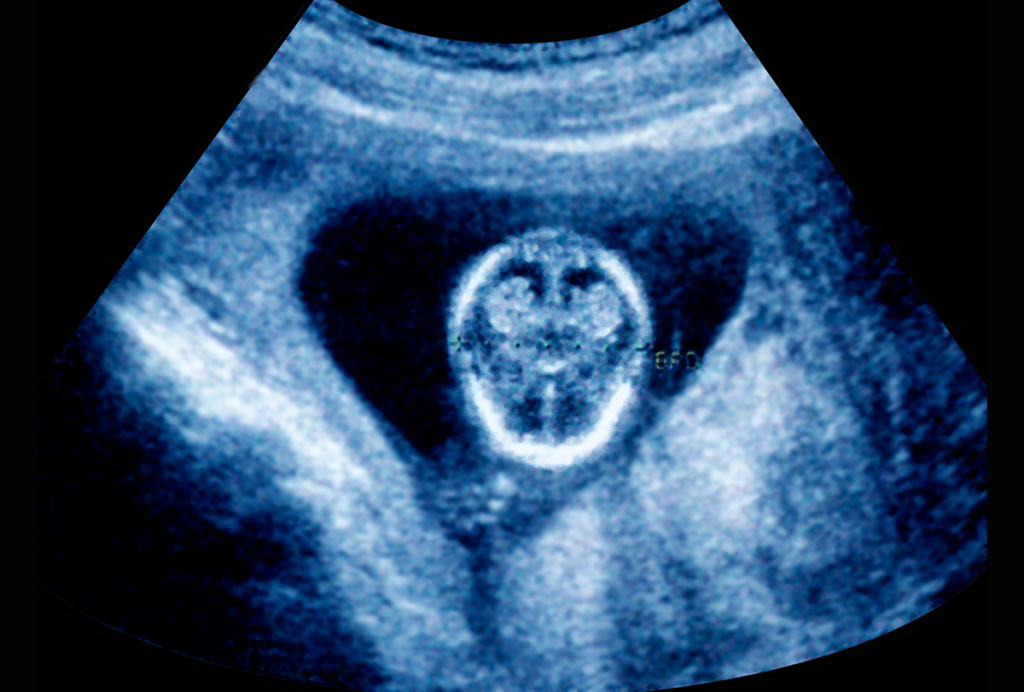
Pregnant pause: Gestational diabetes increases the chances of having a baby girl with autism, according to a new study. The case-control study in 4,546 mother-child pairs examined relationships between glucose intolerance during pregnancy and neurodevelopmental conditions in children; no relationship was found for baby boys. Another population study found a relationship between pre-pregnancy body mass index and autism in children, where high and low body mass index are associated with the condition. By contrast, an examination of confounding factors explains away any supposed link between autism and acetaminophen use during pregnancy. Pregnancy-adjacent factors in autism cases can inform research on underlying mechanisms, and potentially prevention strategies; but, as all three papers underscore, careful analysis of multiple factors is required.
More autism research we spotted:
- “Large-scale discovery of neural enhancers for cis-regulation therapies” bioRxiv
See also: “Expanding set of viral tools targets almost any brain cell type” - “Early predictors of pragmatic language competence: A longitudinal study” Research in Developmental Disabilities
- “Gene editing in ‘cell villages’ enables exploring disease-relevant mutations in many genetic backgrounds” bioRxiv
- “As rates of ASD and ADHD rise, genetic contributions fall: Evidence for widening diagnostic criteria” medRxiv
- “Translatable electrophysiological and behavioral abnormalities in a humanized model of SYNGAP1-disorder” bioRxiv