Brain imaging
Recent articles
Neuroscientists challenge NIH’s proposed human-data access policy
The changes would restrict the sharing of human neuroimaging, transcriptomic and genetic data.
Neuroscientists challenge NIH’s proposed human-data access policy
The changes would restrict the sharing of human neuroimaging, transcriptomic and genetic data.
Large-scale neuroimaging datasets often lack information specific to women’s health, constraining AI’s analysis potential
Addressing this gap will require collecting widespread data on pregnancy, menopause and other life events women experience—and could bring us closer to the “holy grail” of linking brain and behavior.
Large-scale neuroimaging datasets often lack information specific to women’s health, constraining AI’s analysis potential
Addressing this gap will require collecting widespread data on pregnancy, menopause and other life events women experience—and could bring us closer to the “holy grail” of linking brain and behavior.
How insights from network theory can boost interdisciplinary efforts
Communication on one interdisciplinary research team improved after the researchers turned an analysis technique used to study the brain on themselves and identified the roles people played in lab meetings.
How insights from network theory can boost interdisciplinary efforts
Communication on one interdisciplinary research team improved after the researchers turned an analysis technique used to study the brain on themselves and identified the roles people played in lab meetings.

NIH scraps policy that classified basic research in people as clinical trials
The policy aimed to increase the transparency of research in humans but created “a bureaucratic nightmare” for basic neuroscientists.
NIH scraps policy that classified basic research in people as clinical trials
The policy aimed to increase the transparency of research in humans but created “a bureaucratic nightmare” for basic neuroscientists.
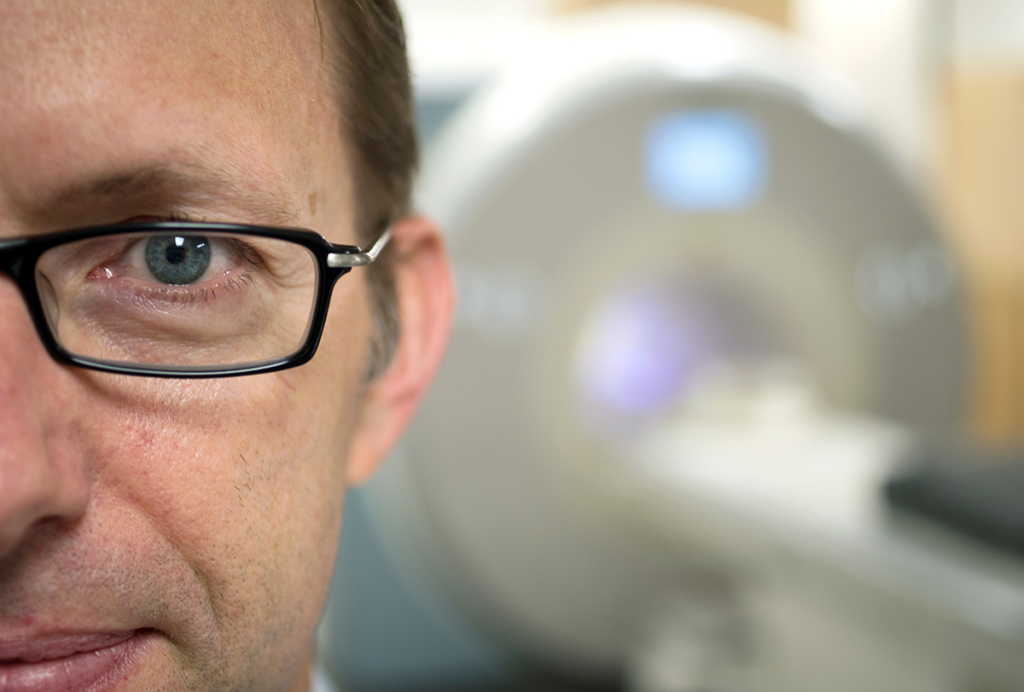
A brief history of precision self-scanning
When a researcher solved a logistical problem by going rogue, the idea proved remarkably infectious.
A brief history of precision self-scanning
When a researcher solved a logistical problem by going rogue, the idea proved remarkably infectious.
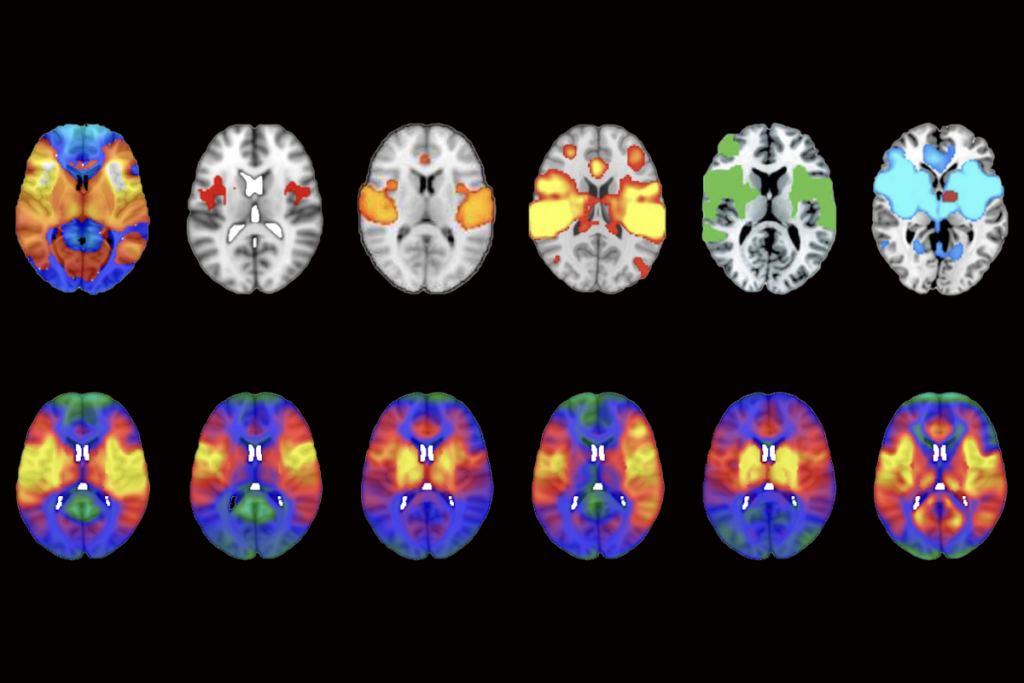
Methodological flaw may upend network mapping tool
The lesion network mapping method, used to identify disease-specific brain networks for clinical stimulation, produces a nearly identical network map for any given condition, according to a new study.
Methodological flaw may upend network mapping tool
The lesion network mapping method, used to identify disease-specific brain networks for clinical stimulation, produces a nearly identical network map for any given condition, according to a new study.
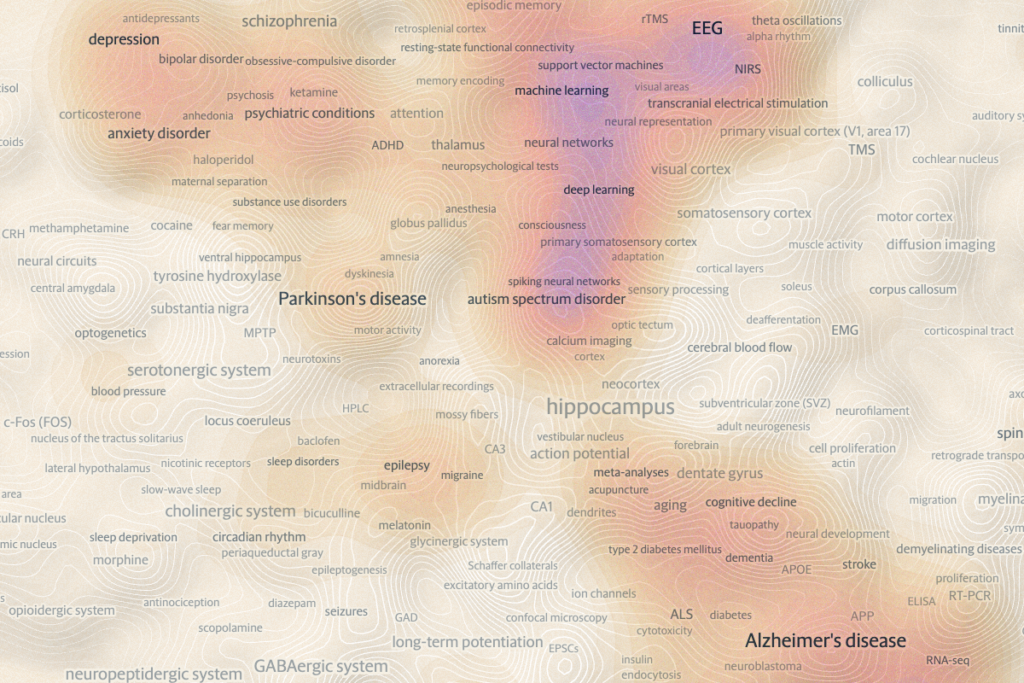
Putting 50 years of neuroscience on the map
Navigate the rise and fall of research topics over five decades using our interactive map, which is based on a semantic analysis of nearly 350,000 abstracts in leading neuroscience journals.
Putting 50 years of neuroscience on the map
Navigate the rise and fall of research topics over five decades using our interactive map, which is based on a semantic analysis of nearly 350,000 abstracts in leading neuroscience journals.
What are the fastest-growing areas in neuroscience?
Respondents pointed to computational neuroscience, systems neuroscience, neuroimmunology and neuroimaging, among other subfields.
What are the fastest-growing areas in neuroscience?
Respondents pointed to computational neuroscience, systems neuroscience, neuroimmunology and neuroimaging, among other subfields.
What are the most transformative neuroscience tools and technologies developed in the past five years?
Artificial intelligence and deep-learning methods featured prominently in the survey responses, followed by genetic tools to control circuits, advanced neuroimaging, transcriptomics and various approaches to record brain activity and behavior.
What are the most transformative neuroscience tools and technologies developed in the past five years?
Artificial intelligence and deep-learning methods featured prominently in the survey responses, followed by genetic tools to control circuits, advanced neuroimaging, transcriptomics and various approaches to record brain activity and behavior.

Timing tweak turns trashed fMRI scans into treasure
Leveraging start-up “dummy scans,” which are typically discarded in imaging analyses, can shorten an experiment’s length and make data collection more efficient, a new study reveals.
Timing tweak turns trashed fMRI scans into treasure
Leveraging start-up “dummy scans,” which are typically discarded in imaging analyses, can shorten an experiment’s length and make data collection more efficient, a new study reveals.
Explore more from The Transmitter
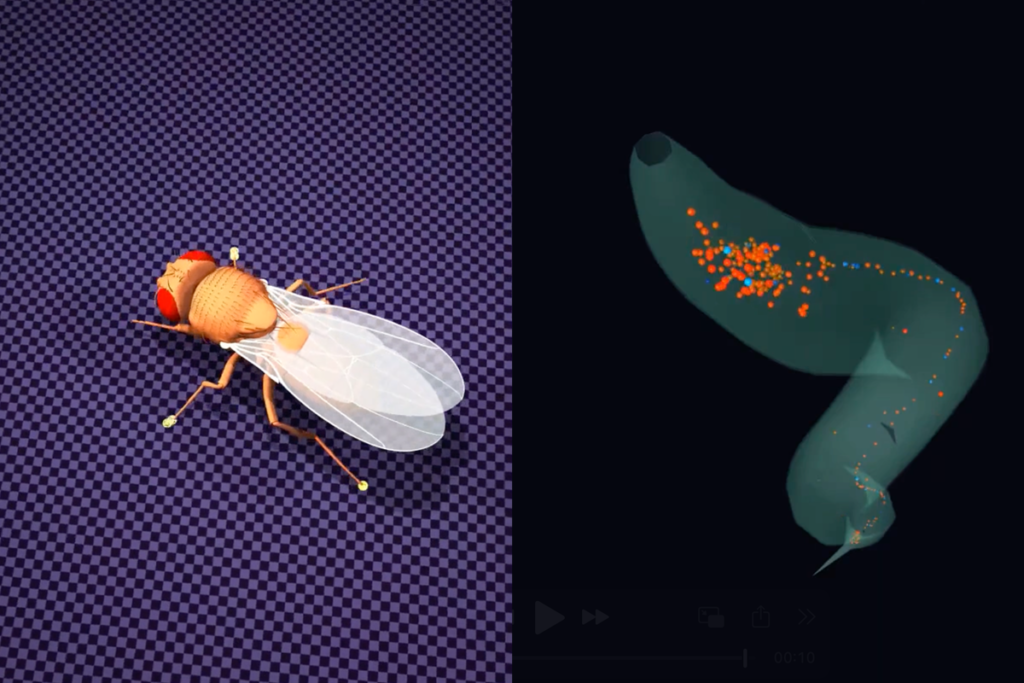
‘Digital sphinx’ raises questions about connectome models
The sphinx, with a worm’s brain and a fly’s body, illustrates the potential pitfalls of using deep-learning techniques to model biological processes.
‘Digital sphinx’ raises questions about connectome models
The sphinx, with a worm’s brain and a fly’s body, illustrates the potential pitfalls of using deep-learning techniques to model biological processes.
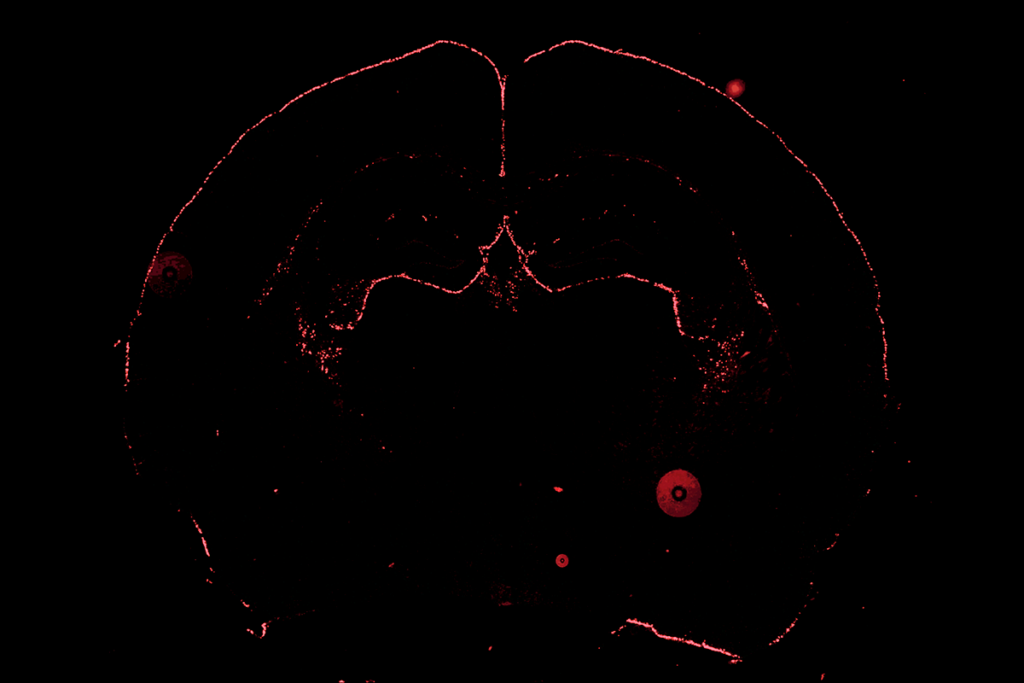
Taking a closer look at astrocytes and autism
These glial cells are increasingly linked to neurodevelopmental conditions and the regulation of social behaviors and anxiety.
Taking a closer look at astrocytes and autism
These glial cells are increasingly linked to neurodevelopmental conditions and the regulation of social behaviors and anxiety.
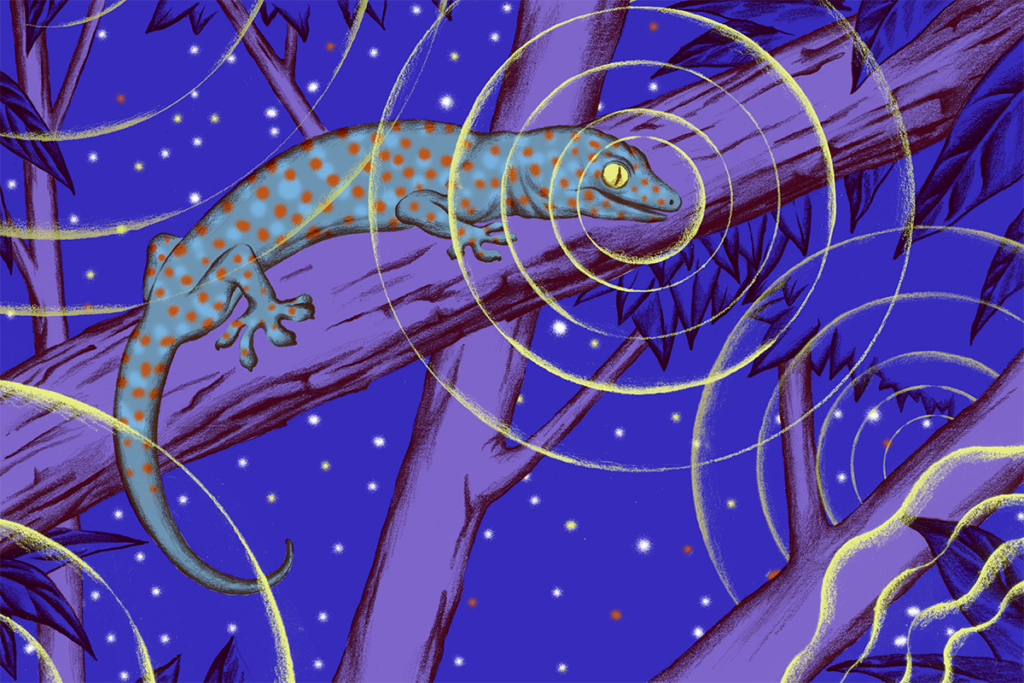
Neuro’s ark: Sounding out the evolution of hearing with geckos
Catherine Carr explains her discovery that geckos retain a vibration-sensing pathway previously thought to be lost when animals moved onto land.
Neuro’s ark: Sounding out the evolution of hearing with geckos
Catherine Carr explains her discovery that geckos retain a vibration-sensing pathway previously thought to be lost when animals moved onto land.