Dementia
Recent articles
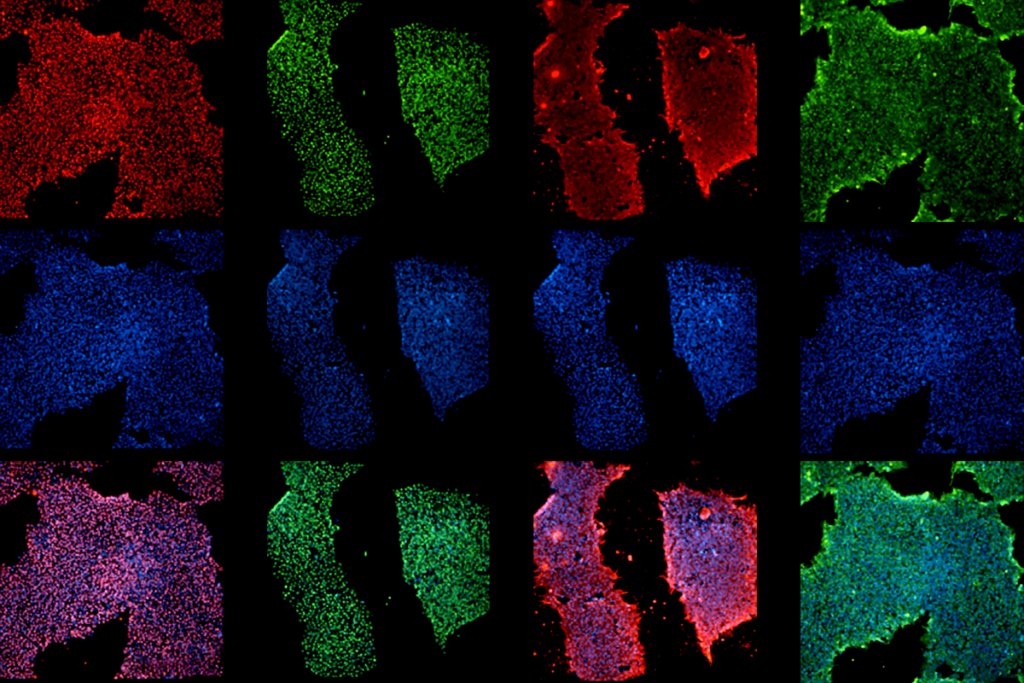
Bringing African ancestry into cellular neuroscience
Two independent teams in Africa are developing stem cell lines and organoids from local populations to explore neurodevelopmental and neurodegenerative conditions.
Bringing African ancestry into cellular neuroscience
Two independent teams in Africa are developing stem cell lines and organoids from local populations to explore neurodevelopmental and neurodegenerative conditions.
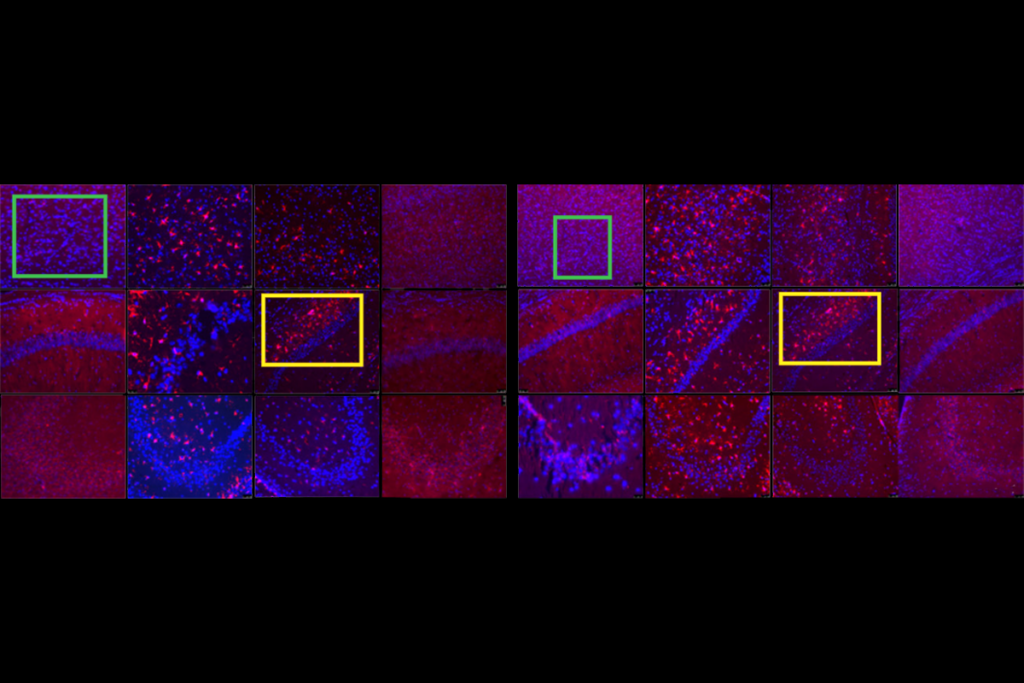
Alzheimer’s scientist forced to retract paper during his own replication effort
Gary Dunbar, a neuroscientist at Central Michigan University, was attempting to redo the 2020 paper after a collaborator admitted to using flawed data in the original work.
Alzheimer’s scientist forced to retract paper during his own replication effort
Gary Dunbar, a neuroscientist at Central Michigan University, was attempting to redo the 2020 paper after a collaborator admitted to using flawed data in the original work.
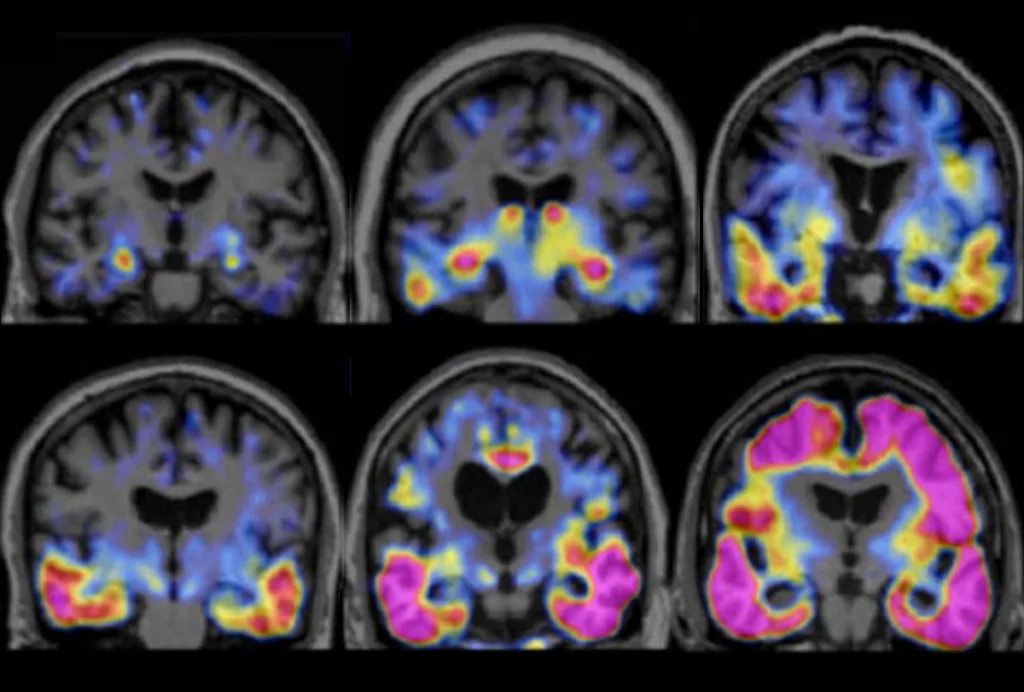
Supersized version of Alzheimer’s protein avoids clumping in brain
“Big tau” may explain why some brain regions, such as the cerebellum and brainstem, are largely spared from neurodegeneration, even though tau is expressed throughout the nervous system.
Supersized version of Alzheimer’s protein avoids clumping in brain
“Big tau” may explain why some brain regions, such as the cerebellum and brainstem, are largely spared from neurodegeneration, even though tau is expressed throughout the nervous system.
We found a major flaw in a scientific reagent used in thousands of neuroscience experiments — and we’re trying to fix it.
As part of that ambition, we launched a public-private partnership to systematically evaluate antibodies used to study neurological disease, and we plan to make all the data freely available.
We found a major flaw in a scientific reagent used in thousands of neuroscience experiments — and we’re trying to fix it.
As part of that ambition, we launched a public-private partnership to systematically evaluate antibodies used to study neurological disease, and we plan to make all the data freely available.
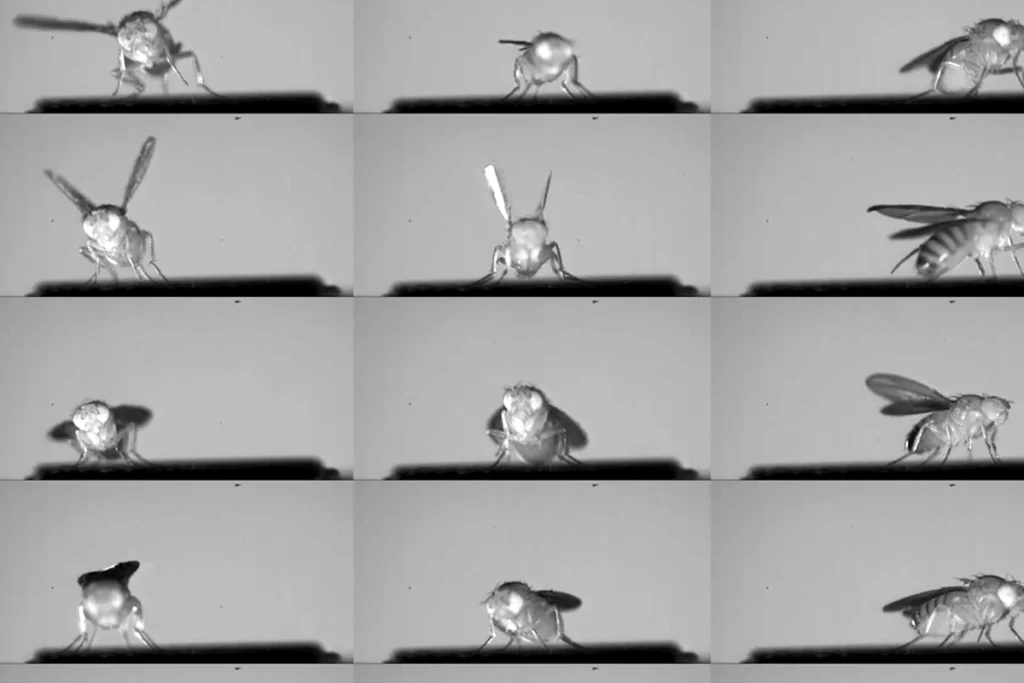
Seen and heard: The Transmitter’s top multimedia stories in 2023
Our audio, video and photo highlights from the past year help to transport readers into scientists’ lives and research, and the lives of their study participants.
Seen and heard: The Transmitter’s top multimedia stories in 2023
Our audio, video and photo highlights from the past year help to transport readers into scientists’ lives and research, and the lives of their study participants.
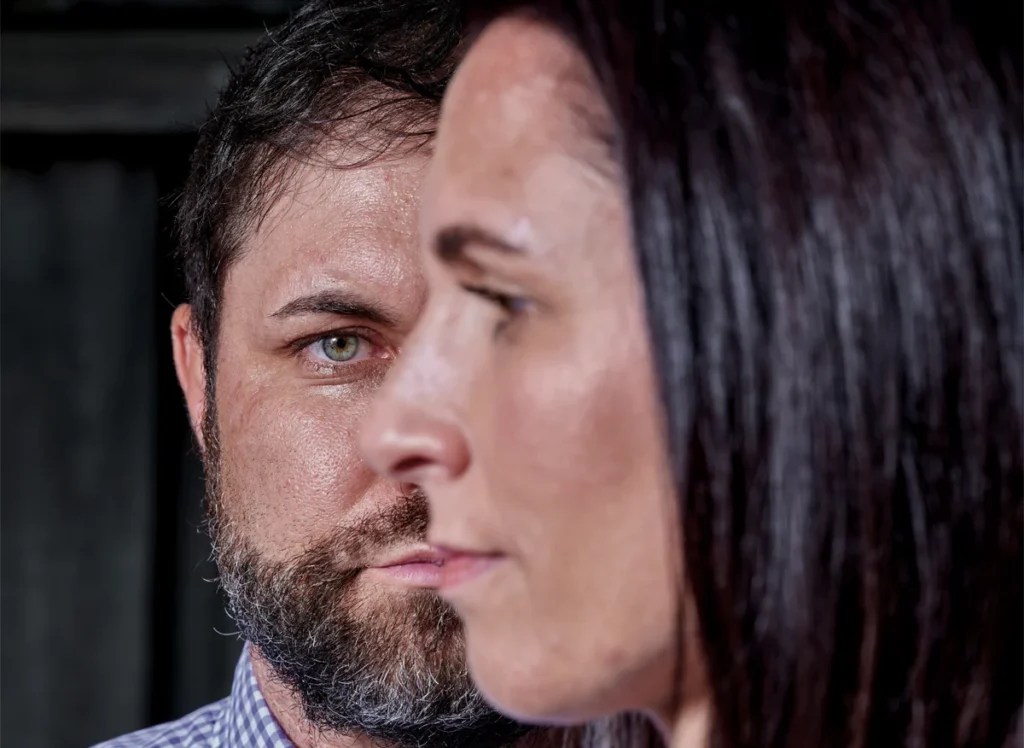
Unmasking Alzheimer’s disease
People with early-onset Alzheimer’s disease describe why they enrolled in clinical trials through the Dominantly Inherited Alzheimer Network (DIAN), in a new book of portrait photography.
Unmasking Alzheimer’s disease
People with early-onset Alzheimer’s disease describe why they enrolled in clinical trials through the Dominantly Inherited Alzheimer Network (DIAN), in a new book of portrait photography.
Explore more from The Transmitter
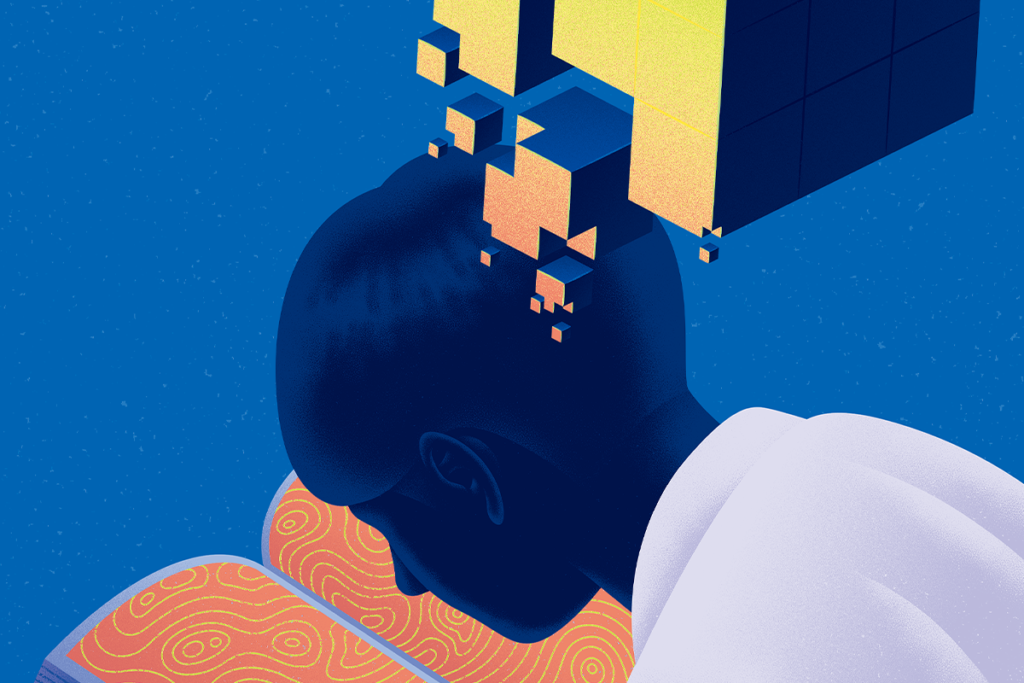
Error equation predicts brain’s ability to generalize
Four statistical measurements of neural network geometry capture how well brains and artificial networks use what they already know to solve new problems, a study suggests.
Error equation predicts brain’s ability to generalize
Four statistical measurements of neural network geometry capture how well brains and artificial networks use what they already know to solve new problems, a study suggests.

Embrace complexity to improve the translatability of basic neuroscience
Researchers must learn to view heterogeneity as an essential feature of the systems they study and a central consideration in experimental design, not a variable to control for or reduce.
Embrace complexity to improve the translatability of basic neuroscience
Researchers must learn to view heterogeneity as an essential feature of the systems they study and a central consideration in experimental design, not a variable to control for or reduce.
Romain Brette reveals fundamental flaws in commonly assumed neuroscience concepts
His new book, “The Brain, In Theory,” offers alternatives to many of the computer science frameworks currently driving theoretical neuroscience.
Romain Brette reveals fundamental flaws in commonly assumed neuroscience concepts
His new book, “The Brain, In Theory,” offers alternatives to many of the computer science frameworks currently driving theoretical neuroscience.