Gaze
Recent articles
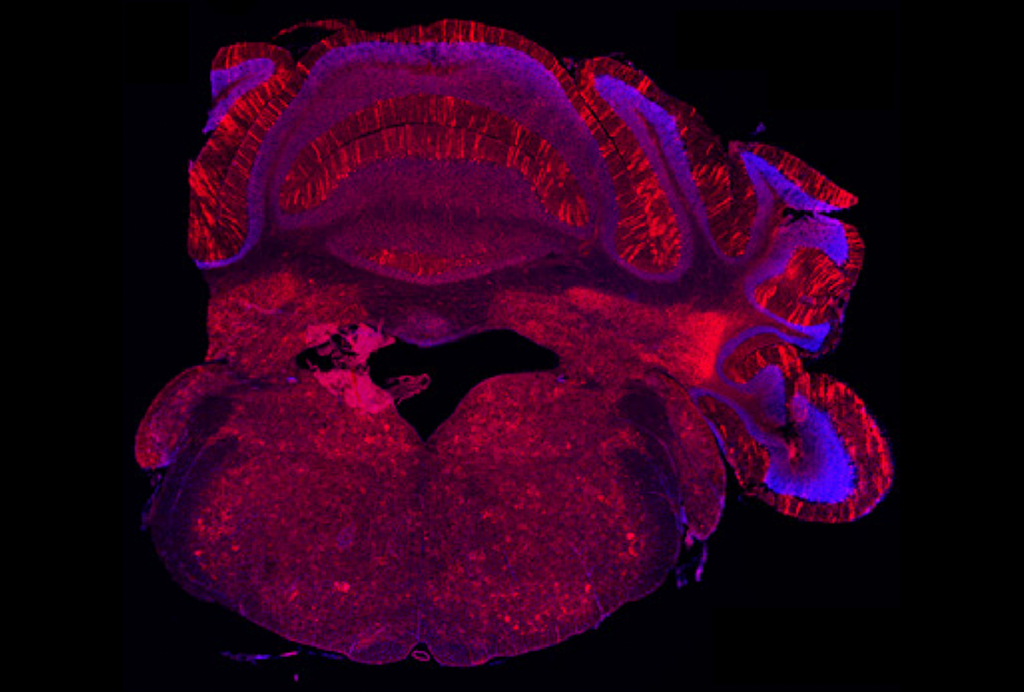
Mutation in top autism-linked gene may alter eye reflex
The discovery could help clinicians diagnose children who carry mutations in the gene, called SCN2A, and gauge their responses to potential therapies.
Mutation in top autism-linked gene may alter eye reflex
The discovery could help clinicians diagnose children who carry mutations in the gene, called SCN2A, and gauge their responses to potential therapies.
New tablet-based tools to spot autism draw excitement — and questions
Handheld devices promise to bring autism detection home, but many researchers urge caution.
New tablet-based tools to spot autism draw excitement — and questions
Handheld devices promise to bring autism detection home, but many researchers urge caution.

Looking at eye tracking’s potential for clinical trials
This month’s Going on Trial newsletter explores how eye tracking might be used beyond helping with diagnosis, among other drug development news.
Looking at eye tracking’s potential for clinical trials
This month’s Going on Trial newsletter explores how eye tracking might be used beyond helping with diagnosis, among other drug development news.
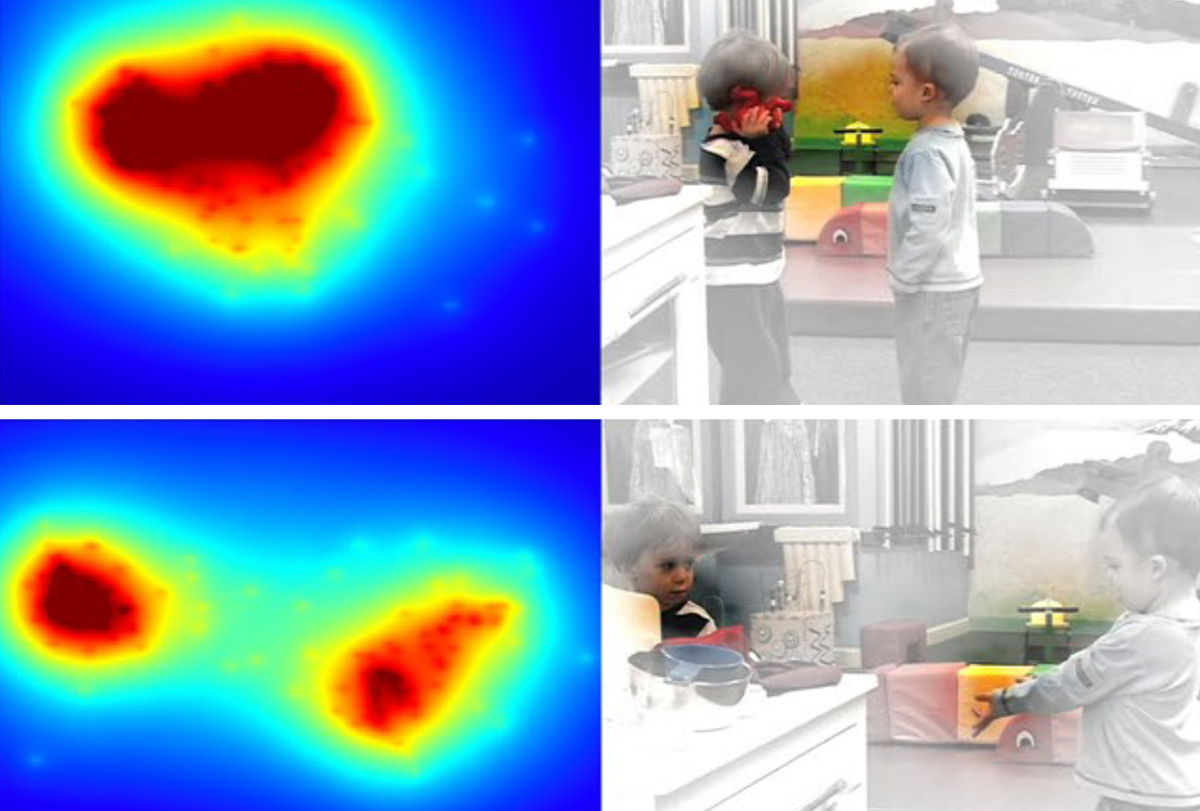
Tablet-based tool to spot autism validated in two studies
The new tool could help clinicians diagnose autism in children younger than 3, the findings show.
Tablet-based tool to spot autism validated in two studies
The new tool could help clinicians diagnose autism in children younger than 3, the findings show.
Null and Noteworthy: An ineffective therapy and an effective biomarker
In this edition, a strategy to help autistic children adapt their skills to new situations shows no benefit, but an early-life autism biomarker does.
Null and Noteworthy: An ineffective therapy and an effective biomarker
In this edition, a strategy to help autistic children adapt their skills to new situations shows no benefit, but an early-life autism biomarker does.

Alexithymia, not autism, may drive eye-gaze patterns
How autistic people look at a face may be linked more to alexithymia, a condition marked by difficulties recognizing one's own emotions, than to autism.
Alexithymia, not autism, may drive eye-gaze patterns
How autistic people look at a face may be linked more to alexithymia, a condition marked by difficulties recognizing one's own emotions, than to autism.

Social attention shows sex difference in autism
Autistic boys and men are less attuned to social stimuli than autistic girls and women are, according to new unpublished work.
Social attention shows sex difference in autism
Autistic boys and men are less attuned to social stimuli than autistic girls and women are, according to new unpublished work.

Infant siblings of autistic children miss language-learning clues
So-called ‘baby sibs’ watch adults’ faces just as much as children without autistic siblings do, but they don’t understand spoken language as well.
Infant siblings of autistic children miss language-learning clues
So-called ‘baby sibs’ watch adults’ faces just as much as children without autistic siblings do, but they don’t understand spoken language as well.

Virtual-reality system tracks eye gaze in real-world settings
A new eye-tracking program for VR headsets captures nuanced aspects of social attention in autistic people.
Virtual-reality system tracks eye gaze in real-world settings
A new eye-tracking program for VR headsets captures nuanced aspects of social attention in autistic people.
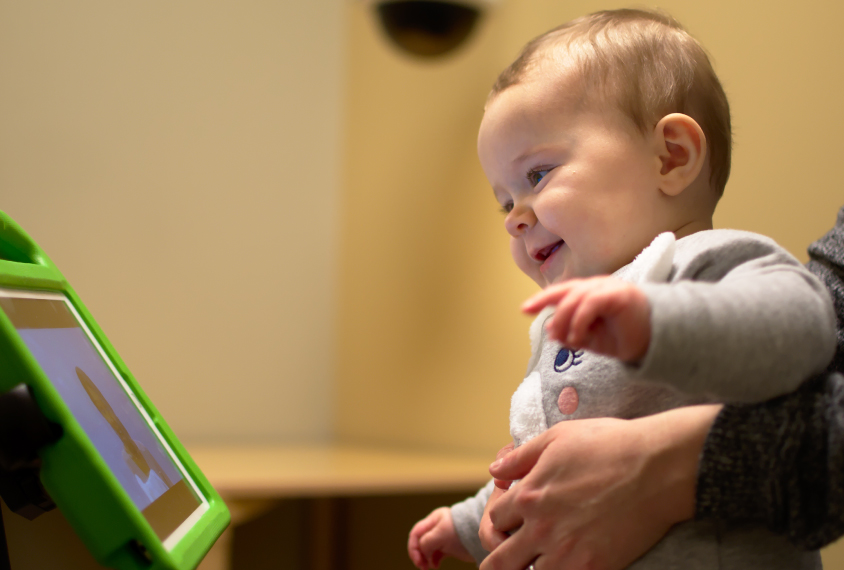
Gaze-tracking app predicts autism diagnosis in toddlers
A mobile phone app that tracks a toddler's gaze as she watches short videos can distinguish between children who later receive an autism diagnosis and those who do not according to a new study.
Gaze-tracking app predicts autism diagnosis in toddlers
A mobile phone app that tracks a toddler's gaze as she watches short videos can distinguish between children who later receive an autism diagnosis and those who do not according to a new study.
Explore more from The Transmitter
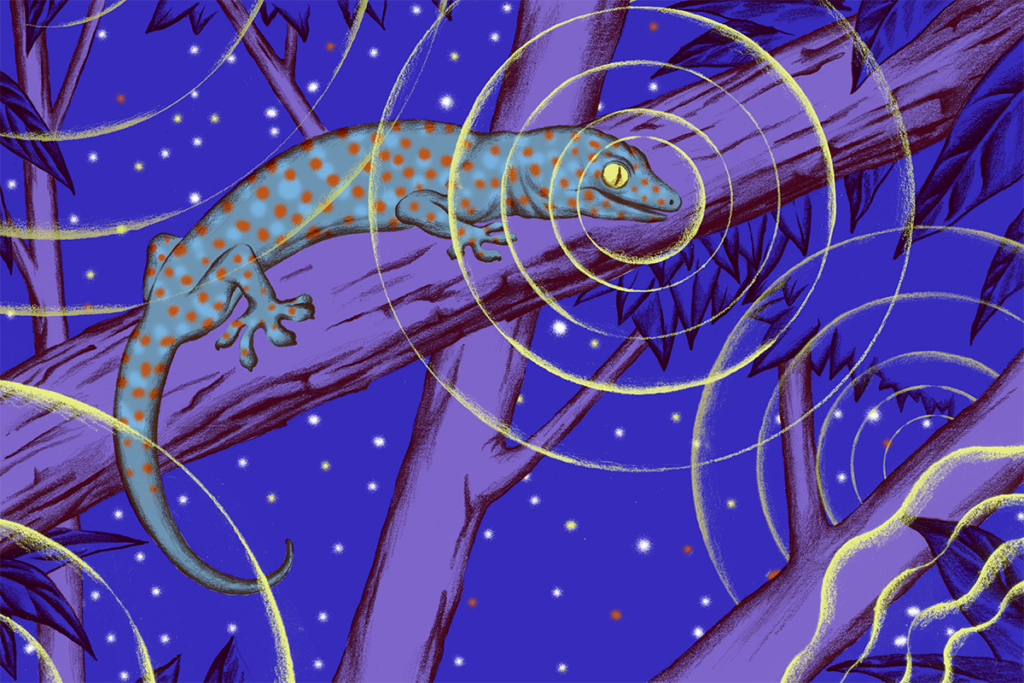
Neuro’s ark: Sounding out the evolution of hearing with geckos
Catherine Carr explains her discovery that geckos retain a vibration-sensing pathway previously thought to be lost when animals moved onto land.
Neuro’s ark: Sounding out the evolution of hearing with geckos
Catherine Carr explains her discovery that geckos retain a vibration-sensing pathway previously thought to be lost when animals moved onto land.
Researchers retract multisensory learning paper after failed replications
Even though one set of experiments did not hold up, the authors stand by the original conclusions of the work and plan to resubmit it as a new paper.
Researchers retract multisensory learning paper after failed replications
Even though one set of experiments did not hold up, the authors stand by the original conclusions of the work and plan to resubmit it as a new paper.
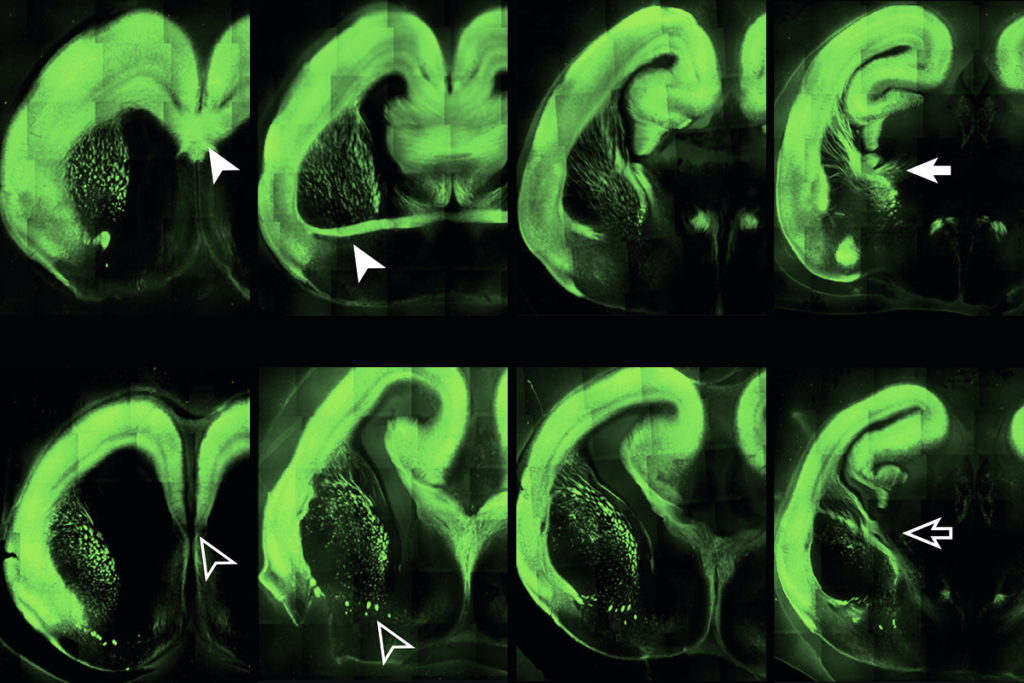
Cortical evolution, ZBTB18, and more
Here is a roundup of autism-related news and research spotted around the web for the week of 30 March.
Cortical evolution, ZBTB18, and more
Here is a roundup of autism-related news and research spotted around the web for the week of 30 March.