Neuroligin
Recent articles
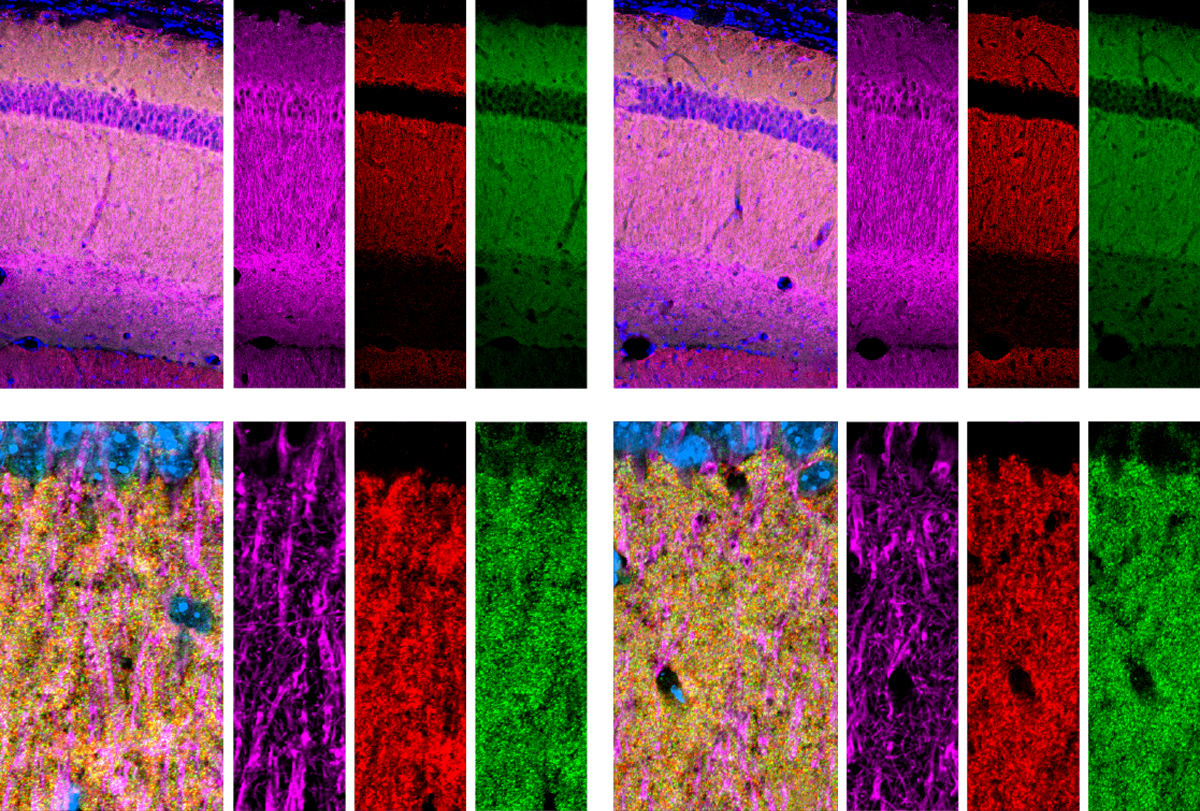
Dispute erupts over role of sticky proteins in astrocytes
But multiple independent researchers say they are not convinced by its results, which fail to confirm high-profile findings from 2017.
Dispute erupts over role of sticky proteins in astrocytes
But multiple independent researchers say they are not convinced by its results, which fail to confirm high-profile findings from 2017.
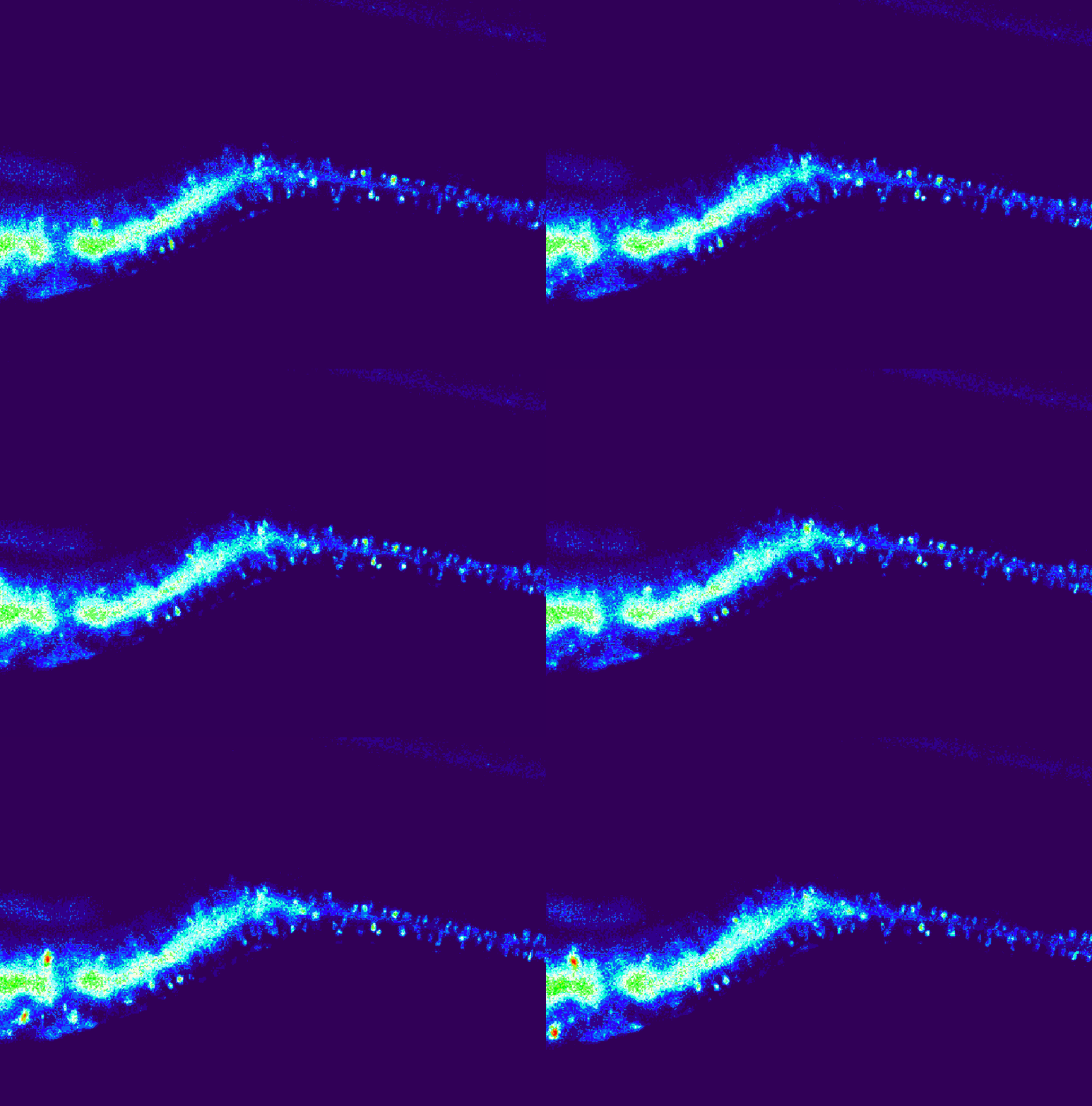
On the periphery: Thinking ‘outside the brain’ offers new ideas about autism
Neuronal alterations outside the brain may help to explain a host of the condition’s characteristic traits, including sensory changes, gut problems and motor differences.
On the periphery: Thinking ‘outside the brain’ offers new ideas about autism
Neuronal alterations outside the brain may help to explain a host of the condition’s characteristic traits, including sensory changes, gut problems and motor differences.
Explore more from The Transmitter
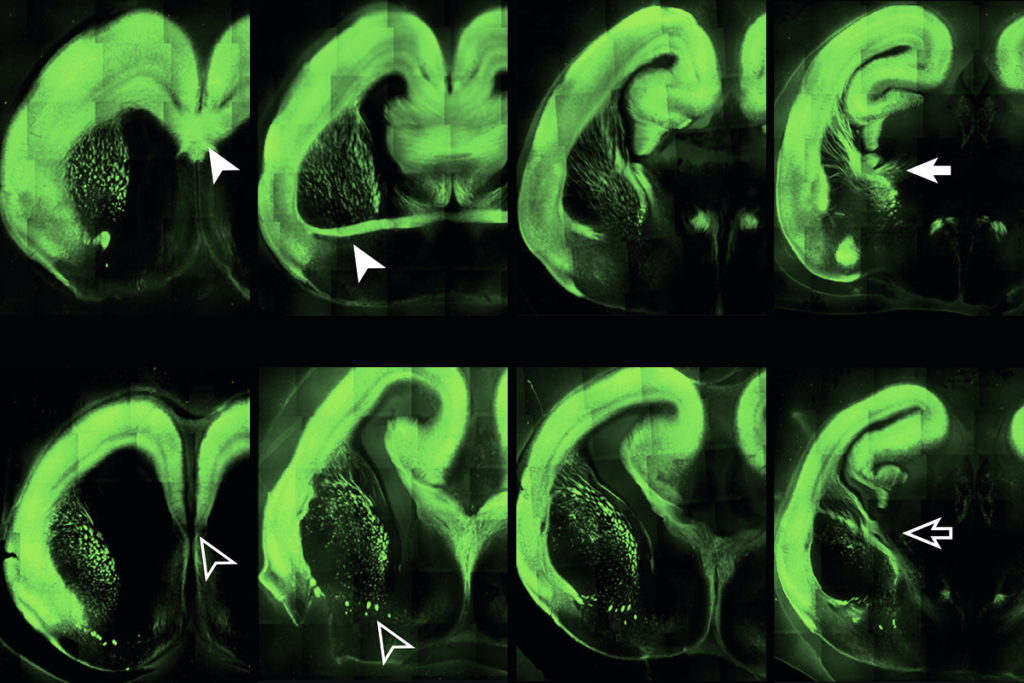
Cortical evolution, ZBTB18, and more
Here is a roundup of autism-related news and research spotted around the web for the week of 30 March.
Cortical evolution, ZBTB18, and more
Here is a roundup of autism-related news and research spotted around the web for the week of 30 March.
Letter asks Congress for nearly $500 million to sustain BRAIN Initiative
The one-time boost would help counter the planned end this year to one of the program’s long-standing funding streams, which will result in a $195 million drop in funding for fiscal year 2027.
Letter asks Congress for nearly $500 million to sustain BRAIN Initiative
The one-time boost would help counter the planned end this year to one of the program’s long-standing funding streams, which will result in a $195 million drop in funding for fiscal year 2027.
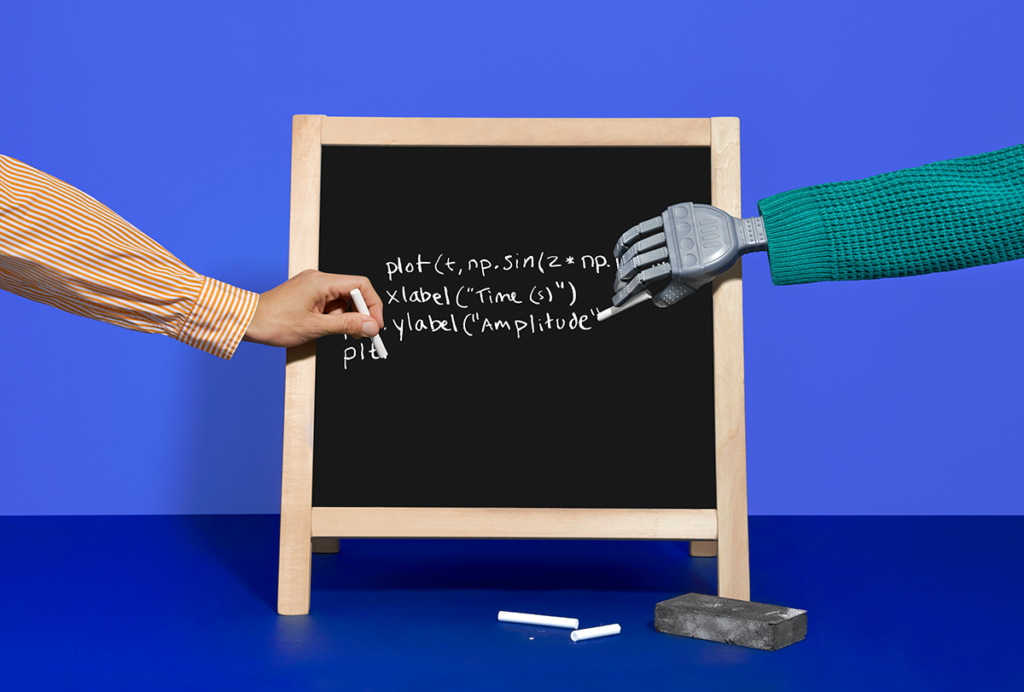
How to teach programming in the age of AI
Scientists and educators are concerned about students using artificial intelligence to shortcut their learning. But there are also opportunities, especially when it comes to teaching neuroscience students how to code.
How to teach programming in the age of AI
Scientists and educators are concerned about students using artificial intelligence to shortcut their learning. But there are also opportunities, especially when it comes to teaching neuroscience students how to code.