Neuroscientists using AI
Recent articles
Learn about the myriad ways researchers are employing these tools, along with tips for how to responsibly adopt them.

How to collaborate with AI
To make the best use of LLMs in research, turn your scientific question into a set of concrete, checkable proposals, wire up an automatic scoring loop, and let the AI iterate.
How to collaborate with AI
To make the best use of LLMs in research, turn your scientific question into a set of concrete, checkable proposals, wire up an automatic scoring loop, and let the AI iterate.
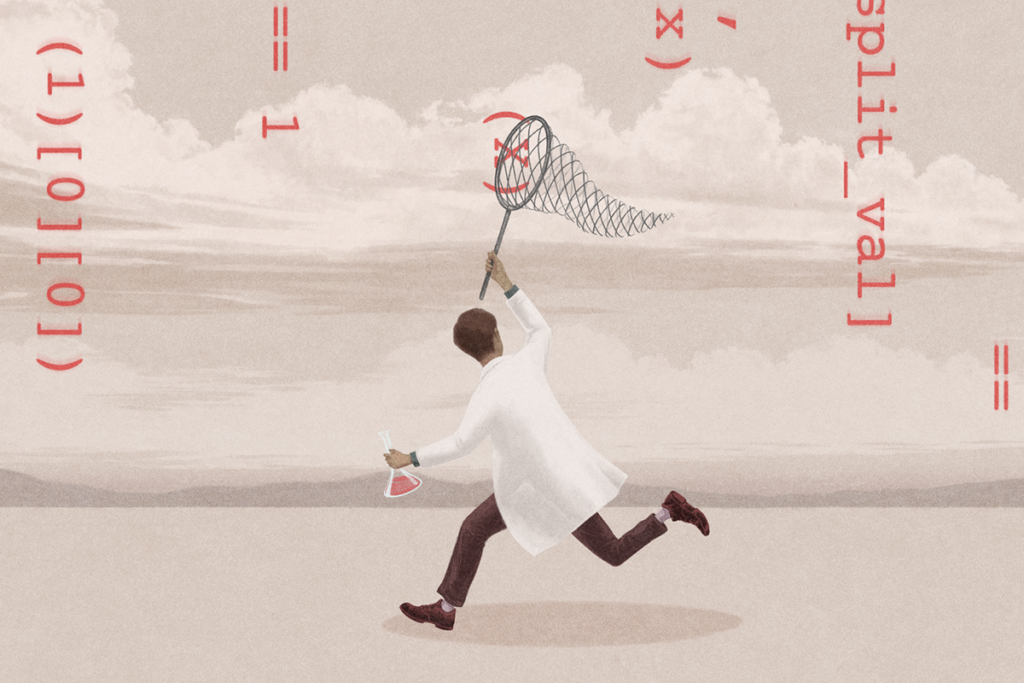
AI-assisted coding: 10 simple rules to maintain scientific rigor
These guidelines can help researchers ensure the integrity of their work while accelerating progress on important scientific questions.
AI-assisted coding: 10 simple rules to maintain scientific rigor
These guidelines can help researchers ensure the integrity of their work while accelerating progress on important scientific questions.

How neuroscientists are using AI
Eight researchers explain how they are using large language models to analyze the literature, brainstorm hypotheses and interact with complex datasets.
How neuroscientists are using AI
Eight researchers explain how they are using large language models to analyze the literature, brainstorm hypotheses and interact with complex datasets.
Explore more from The Transmitter
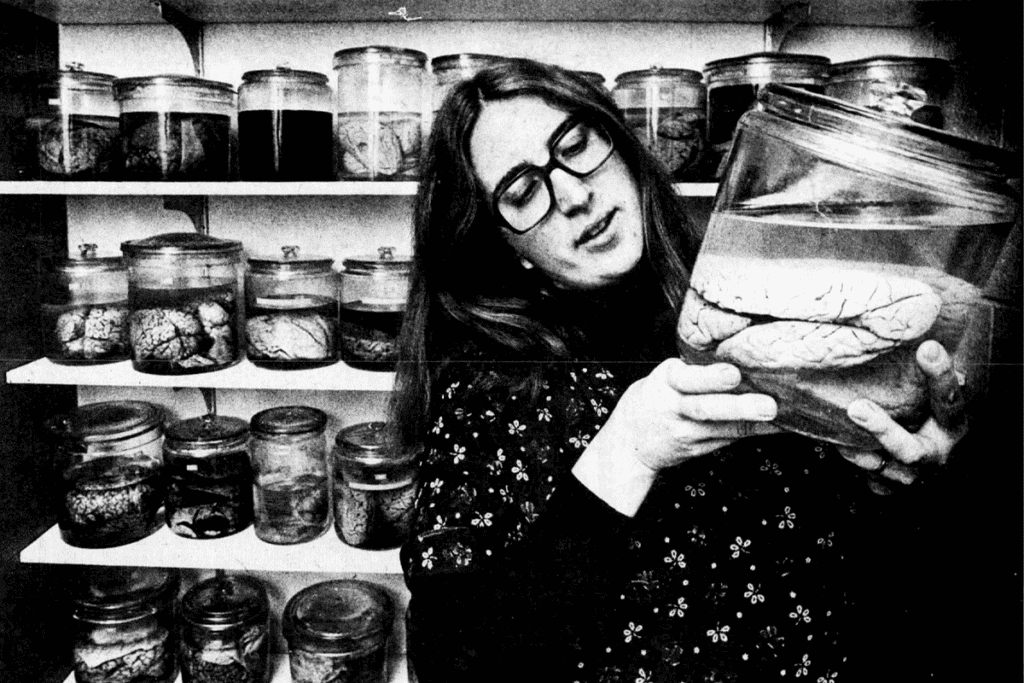
Remembering Barbara Finlay, ‘maverick’ of evolutionary neuroscience
Finlay, who died on 12 September, championed the idea that developmental constraints dictate how evolution sculpts brains, a concept she used to model the timing of hundreds of events and align them across mammalian species.
Remembering Barbara Finlay, ‘maverick’ of evolutionary neuroscience
Finlay, who died on 12 September, championed the idea that developmental constraints dictate how evolution sculpts brains, a concept she used to model the timing of hundreds of events and align them across mammalian species.
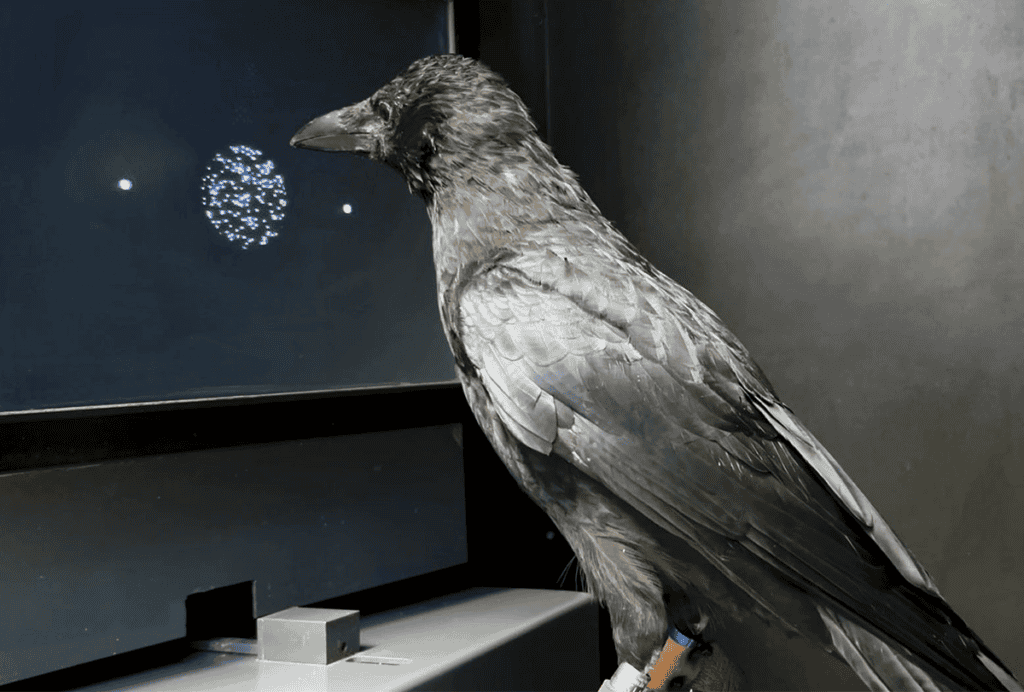
Crows have brains ‘in the fast lane’
The birds accurately complete decision-making tasks twice as fast as primates, although their endbrains look considerably different.
Crows have brains ‘in the fast lane’
The birds accurately complete decision-making tasks twice as fast as primates, although their endbrains look considerably different.

Prevalence of profound autism declines with new definition
The updated, more precise definition used in a CDC study includes adaptive scores.
Prevalence of profound autism declines with new definition
The updated, more precise definition used in a CDC study includes adaptive scores.