TMS
Recent articles
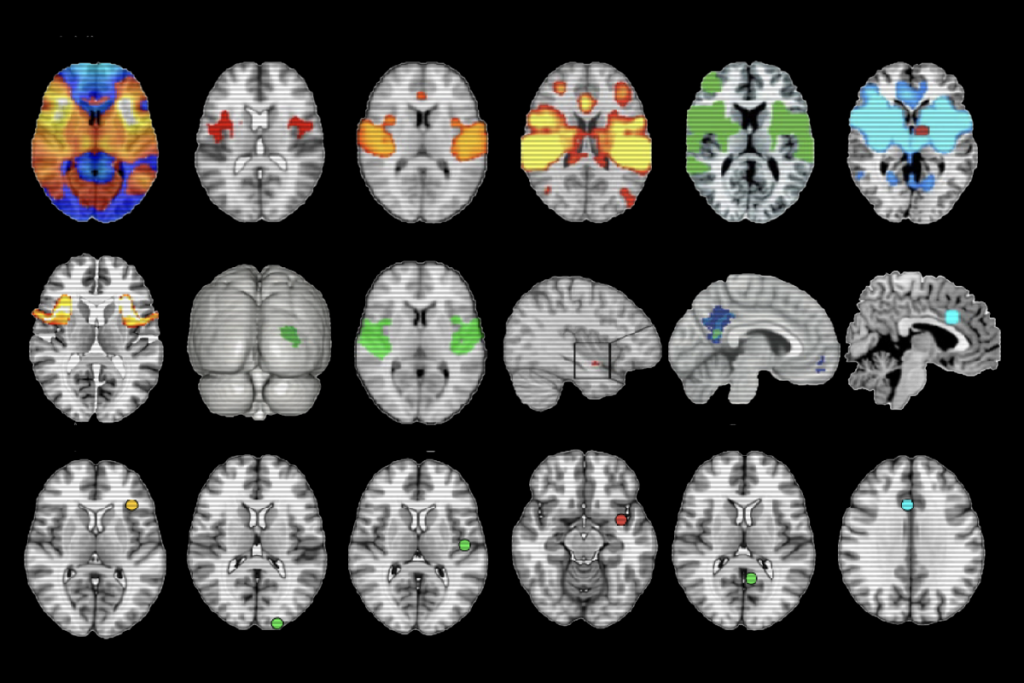
‘Overdue’ debate unfurls over neuroimaging method
After a January paper questioned the validity of an approach called lesion network mapping, its users are pressure testing their results.
‘Overdue’ debate unfurls over neuroimaging method
After a January paper questioned the validity of an approach called lesion network mapping, its users are pressure testing their results.
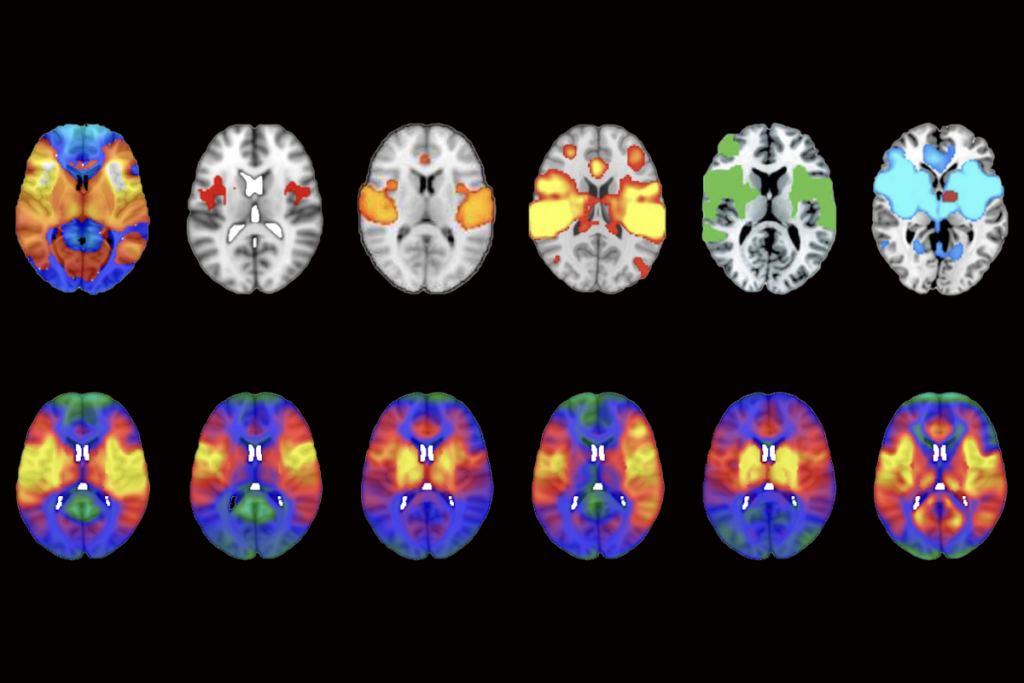
Methodological flaw may upend network mapping tool
The lesion network mapping method, used to identify disease-specific brain networks for clinical stimulation, produces a nearly identical network map for any given condition, according to a new study.
Methodological flaw may upend network mapping tool
The lesion network mapping method, used to identify disease-specific brain networks for clinical stimulation, produces a nearly identical network map for any given condition, according to a new study.
Remembering Mark Hallett, leader in transcranial magnetic stimulation
The long-time NINDS researcher, best known for studying movement disorders, has died at age 82.
Remembering Mark Hallett, leader in transcranial magnetic stimulation
The long-time NINDS researcher, best known for studying movement disorders, has died at age 82.
Noninvasive technologies can map and target human brain with unprecedented precision
But to fully grasp the tools’ potential, we need to better understand how electric and magnetic fields interact with the brain.
Noninvasive technologies can map and target human brain with unprecedented precision
But to fully grasp the tools’ potential, we need to better understand how electric and magnetic fields interact with the brain.
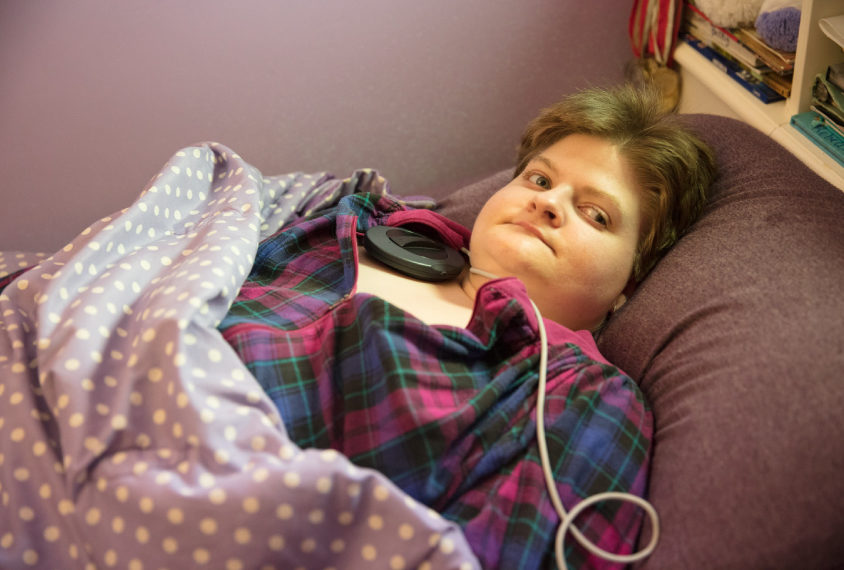
Rebooting Becky’s brain
An electrical brain implant all but erased the obsessions that had consumed Becky Audette, years after her autism diagnosis. Could similar implants help other people with severe autism?
Rebooting Becky’s brain
An electrical brain implant all but erased the obsessions that had consumed Becky Audette, years after her autism diagnosis. Could similar implants help other people with severe autism?
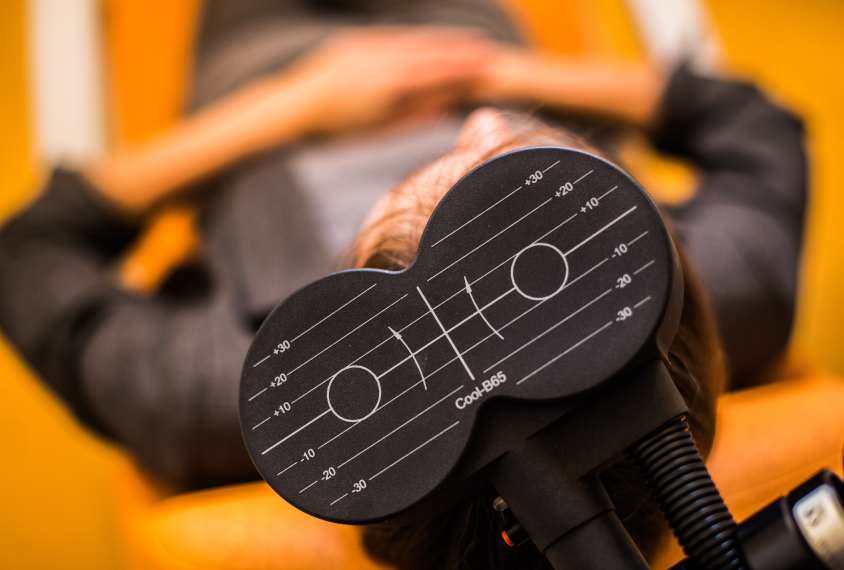
Magnetic stimulation bares imbalance of activity in fragile X brains
Researchers have used transcranial magnetic stimulation to show that people with fragile X syndrome have weak ‘inhibitory’ signals, those that dampen neuronal activity in the brain.
Magnetic stimulation bares imbalance of activity in fragile X brains
Researchers have used transcranial magnetic stimulation to show that people with fragile X syndrome have weak ‘inhibitory’ signals, those that dampen neuronal activity in the brain.

Takeaways from IMFAR 2016
Researchers, advocates and others from the autism community came together for the 2016 International Meeting for Autism Research in Baltimore.
Takeaways from IMFAR 2016
Researchers, advocates and others from the autism community came together for the 2016 International Meeting for Autism Research in Baltimore.
Reactions from IMFAR 2016
Scientists give their perspectives on work presented at the 2016 International Meeting for Autism Research.
Reactions from IMFAR 2016
Scientists give their perspectives on work presented at the 2016 International Meeting for Autism Research.
Magnetic promise: Can brain stimulation treat autism?
There are hints that transcranial magnetic stimulation, which uses electricity to change how brain cells function, might improve the symptoms of autism. But hopes are running way ahead of the facts.
Magnetic promise: Can brain stimulation treat autism?
There are hints that transcranial magnetic stimulation, which uses electricity to change how brain cells function, might improve the symptoms of autism. But hopes are running way ahead of the facts.
Flexible brain
Transcranial magnetic stimulation may provide a noninvasive approach to studying how connections in the human brain change in response to new information, and how that process is altered in autism, says Lindsay Oberman.
Flexible brain
Transcranial magnetic stimulation may provide a noninvasive approach to studying how connections in the human brain change in response to new information, and how that process is altered in autism, says Lindsay Oberman.
Explore more from The Transmitter
The neuroscience questions that need nonhuman primates
The Transmitter asked 17 neuroscientists what questions might remain unanswered if support for nonhuman primate research continues to decline.
The neuroscience questions that need nonhuman primates
The Transmitter asked 17 neuroscientists what questions might remain unanswered if support for nonhuman primate research continues to decline.
U.S. national primate research centers face an uncertain future
The facilities were meant to last 100 years. Four decades shy of that mark, amid flatlined funds and mounting political pressure, their directors are trying to find a path forward.
U.S. national primate research centers face an uncertain future
The facilities were meant to last 100 years. Four decades shy of that mark, amid flatlined funds and mounting political pressure, their directors are trying to find a path forward.
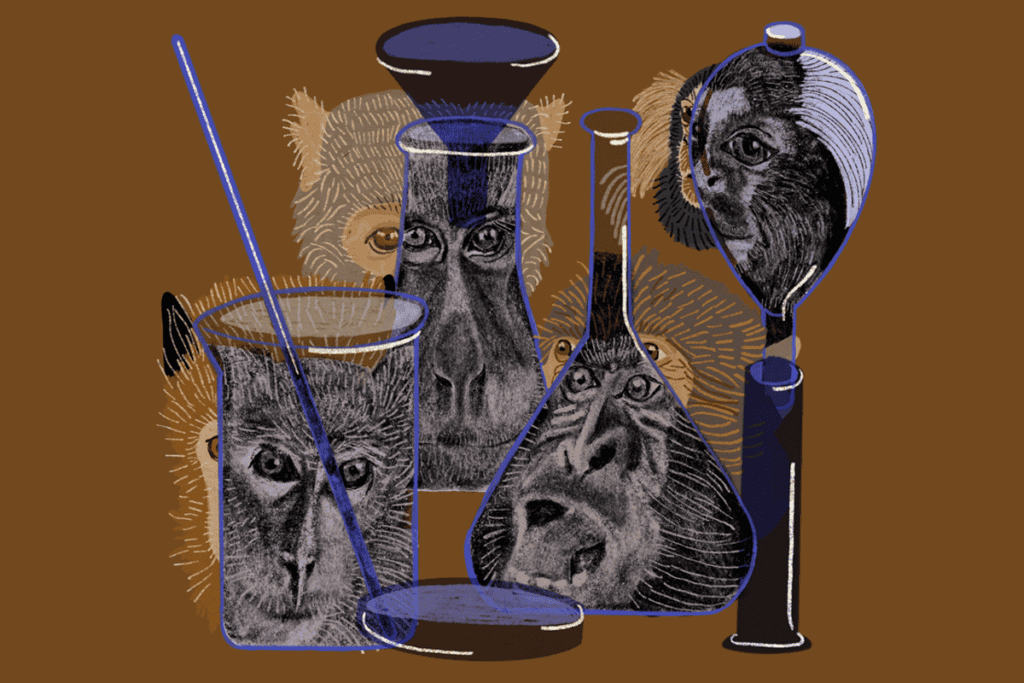
What if nonhuman primate research goes away?
As the U.S. government takes steps to stop using nonhuman primates in research, The Transmitter investigates what that shift could mean for neuroscience.
What if nonhuman primate research goes away?
As the U.S. government takes steps to stop using nonhuman primates in research, The Transmitter investigates what that shift could mean for neuroscience.