15q11-13
Recent articles
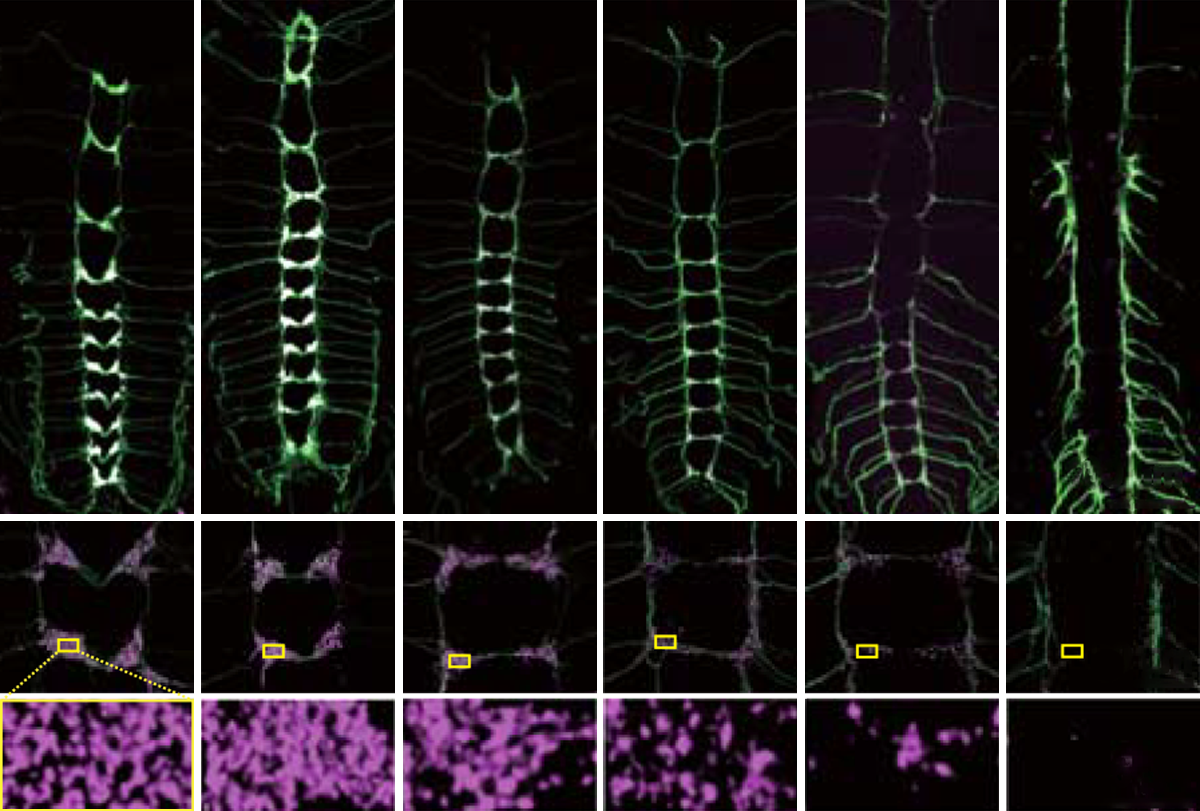
UBE3A’s link to synaptic pruning bolstered by fly study
Increasing or reducing the levels of the UBE3A gene, which is associated with autism and autism-related syndromes, results in altered patterns of synaptic pruning — a process that snips away brain cell connections.
UBE3A’s link to synaptic pruning bolstered by fly study
Increasing or reducing the levels of the UBE3A gene, which is associated with autism and autism-related syndromes, results in altered patterns of synaptic pruning — a process that snips away brain cell connections.
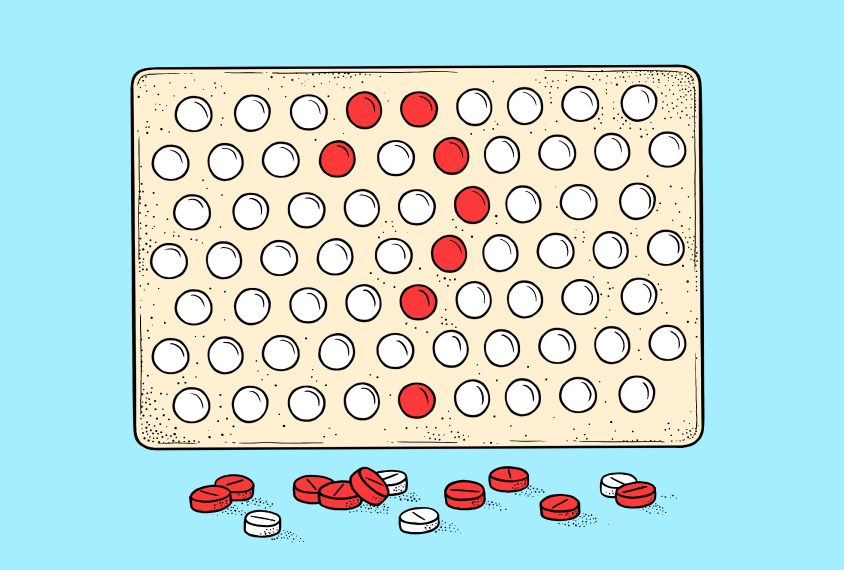
Trials test utility of EEG biomarkers for autism-related conditions
This month’s Going on Trial newsletter dives into an electroencephalography biomarker that could track the efficacy of treatments for dup15q and Angelman syndromes, among other drug development news.
Trials test utility of EEG biomarkers for autism-related conditions
This month’s Going on Trial newsletter dives into an electroencephalography biomarker that could track the efficacy of treatments for dup15q and Angelman syndromes, among other drug development news.
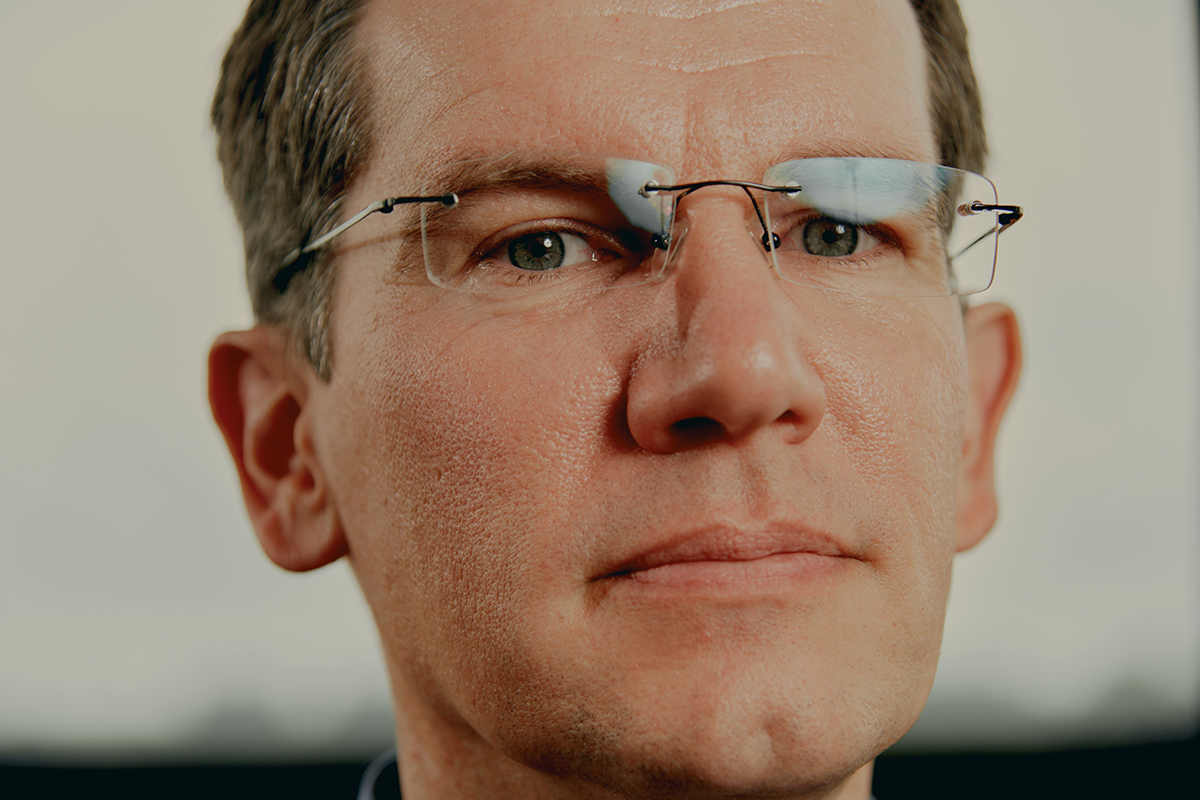
Swings and misses with Jeremy Veenstra-VanderWeele
A careful clinician who prizes evidence, Jeremy Veenstra-VanderWeele is happy to embrace trial failures, as long as he learns from them.
Swings and misses with Jeremy Veenstra-VanderWeele
A careful clinician who prizes evidence, Jeremy Veenstra-VanderWeele is happy to embrace trial failures, as long as he learns from them.
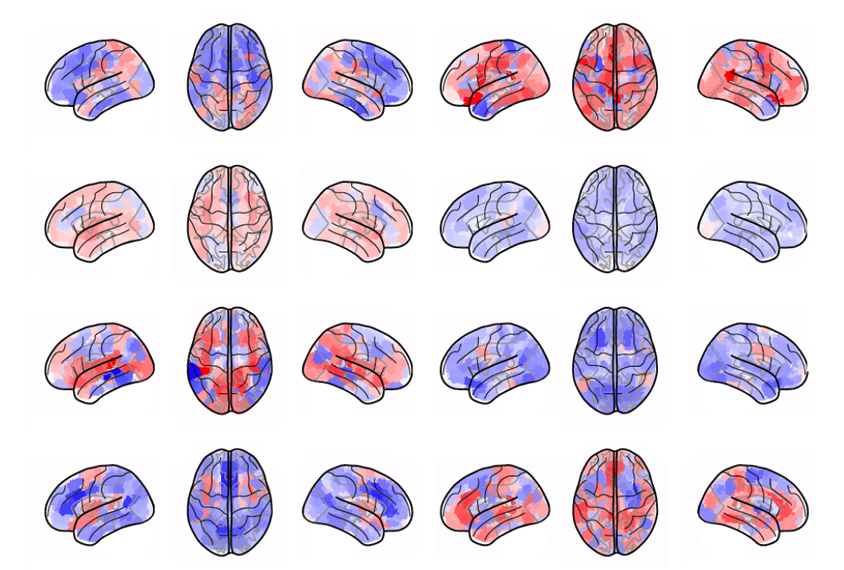
Brain signatures of rare variants hint at cardiovascular risk
People whose brains look like those of people who carry autism-linked copy number variants also share markers of heart health.
Brain signatures of rare variants hint at cardiovascular risk
People whose brains look like those of people who carry autism-linked copy number variants also share markers of heart health.
Single gene insufficient to account for dup15q, Angelman traits
UBE3A, a key gene associated with both autism-linked conditions, can explain most — but not all — of the syndromes’ atypical neuronal properties.
Single gene insufficient to account for dup15q, Angelman traits
UBE3A, a key gene associated with both autism-linked conditions, can explain most — but not all — of the syndromes’ atypical neuronal properties.
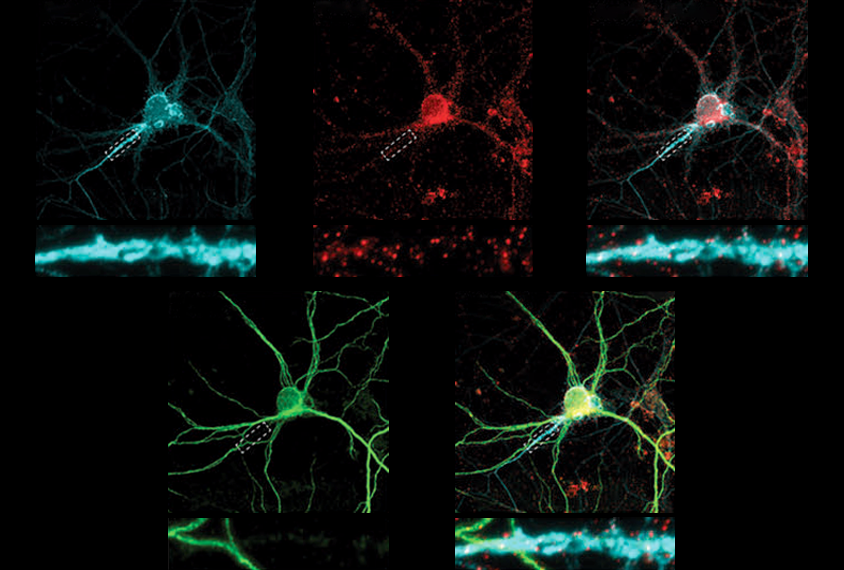
Protein networks identified in autism-linked genetic deletion
The OTUD7A gene, which may account for some traits in people missing a segment of chromosome 15, appears to interact with several known autism-linked genes.
Protein networks identified in autism-linked genetic deletion
The OTUD7A gene, which may account for some traits in people missing a segment of chromosome 15, appears to interact with several known autism-linked genes.
Consistent, convergent pathways link two forms of autism
People with dup15q syndrome and those with idiopathic autism have similar patterns of altered gene expression in early brain development and later in life.
Consistent, convergent pathways link two forms of autism
People with dup15q syndrome and those with idiopathic autism have similar patterns of altered gene expression in early brain development and later in life.
Autism’s genetic heterogeneity evident in brain connectivity patterns
The results highlight the importance of subgrouping study participants based on their underlying genetics, the researchers say.
Autism’s genetic heterogeneity evident in brain connectivity patterns
The results highlight the importance of subgrouping study participants based on their underlying genetics, the researchers say.
Lumping versus splitting with autism-linked variants: A conversation with Vanessa Vogel-Farley and Yssa DeWoody
Researchers have long studied subgroups of people who share genetic variants, but the newly formed ‘CNV Commission’ is also looking at people with shared traits across different neurodevelopmental conditions.
Lumping versus splitting with autism-linked variants: A conversation with Vanessa Vogel-Farley and Yssa DeWoody
Researchers have long studied subgroups of people who share genetic variants, but the newly formed ‘CNV Commission’ is also looking at people with shared traits across different neurodevelopmental conditions.

Autism and the complete human genome: Q&A with Evan Eichler
Scientists have at last filled in the missing gaps — an advance likely to inform every aspect of autism genetics research, Eichler says.
Autism and the complete human genome: Q&A with Evan Eichler
Scientists have at last filled in the missing gaps — an advance likely to inform every aspect of autism genetics research, Eichler says.
Explore more from The Transmitter

Why neural foundation models work, and what they might—and might not—teach us about the brain
These models can partly generalize across species, brain regions and tasks, suggesting that a set of machine-learnable rules govern neural population activity. But will we be able to understand them?
Why neural foundation models work, and what they might—and might not—teach us about the brain
These models can partly generalize across species, brain regions and tasks, suggesting that a set of machine-learnable rules govern neural population activity. But will we be able to understand them?

Error equation predicts brain’s ability to generalize
Four statistical measurements of neural network geometry capture how well brains and artificial networks use what they already know to solve new problems, a study suggests.
Error equation predicts brain’s ability to generalize
Four statistical measurements of neural network geometry capture how well brains and artificial networks use what they already know to solve new problems, a study suggests.

Embrace complexity to improve the translatability of basic neuroscience
Researchers must learn to view heterogeneity as an essential feature of the systems they study and a central consideration in experimental design, not a variable to control for or reduce.
Embrace complexity to improve the translatability of basic neuroscience
Researchers must learn to view heterogeneity as an essential feature of the systems they study and a central consideration in experimental design, not a variable to control for or reduce.