Academia
Recent articles
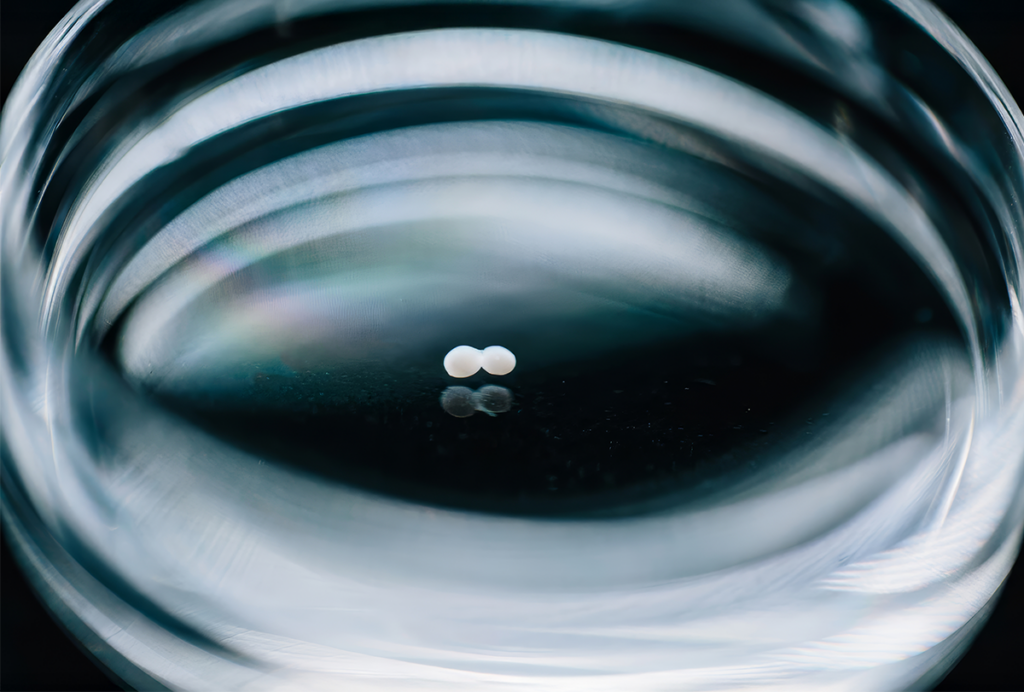
Funding for animal research alternatives reaches ‘inflection point’
The United States and Europe are dedicating hundreds of millions of dollars in funding to advance novel alternative methods, but not all neuroscientists see this as a positive step.
Funding for animal research alternatives reaches ‘inflection point’
The United States and Europe are dedicating hundreds of millions of dollars in funding to advance novel alternative methods, but not all neuroscientists see this as a positive step.

‘Friction-maxxing’ in school: Students should read primary literature, not AI summaries
Trainees need to learn how to identify a neuroscience paper’s major takeaways and integrate them into their understanding. This skill doesn’t come from outsourcing the work to large language models.
‘Friction-maxxing’ in school: Students should read primary literature, not AI summaries
Trainees need to learn how to identify a neuroscience paper’s major takeaways and integrate them into their understanding. This skill doesn’t come from outsourcing the work to large language models.

Data duplications flagged in highly cited gut-brain studies
The duplications are a product of “inadvertent errors,” the authors say.
Data duplications flagged in highly cited gut-brain studies
The duplications are a product of “inadvertent errors,” the authors say.
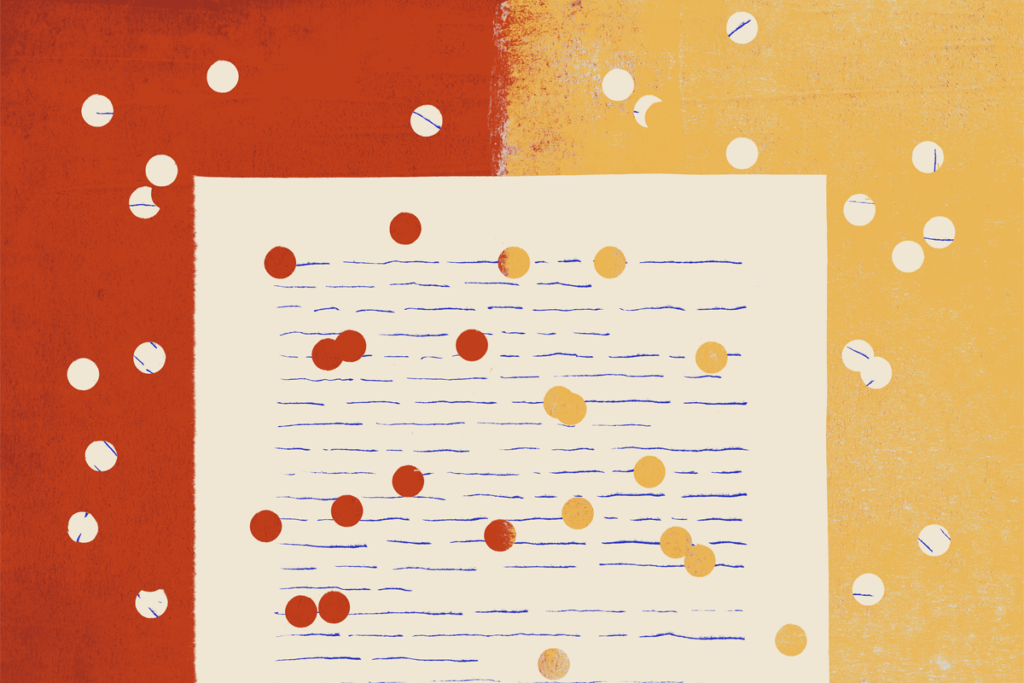
Let’s teach neuroscientists how to be thoughtful and fair reviewers
Blanco-Suárez revamped the traditional journal club by developing a course in which students peer review preprints alongside the published papers that evolved from them.
Let’s teach neuroscientists how to be thoughtful and fair reviewers
Blanco-Suárez revamped the traditional journal club by developing a course in which students peer review preprints alongside the published papers that evolved from them.
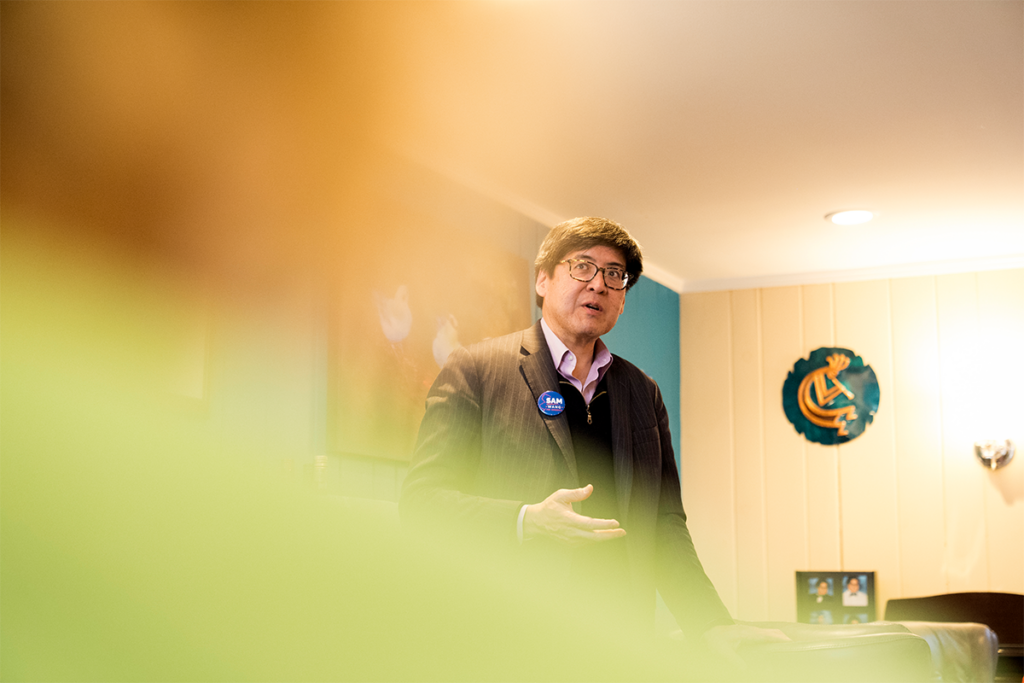
Is there a neuroscientist in the House?
Sam Wang, a neuroscientist running for the U.S. House of Representatives, has been considering American democracy for decades.
Is there a neuroscientist in the House?
Sam Wang, a neuroscientist running for the U.S. House of Representatives, has been considering American democracy for decades.
Marcelle Lapicque: A forgotten pioneer in neuroscience
Lapicque was the first Black woman neuroscientist in Europe, new research suggests.
Marcelle Lapicque: A forgotten pioneer in neuroscience
Lapicque was the first Black woman neuroscientist in Europe, new research suggests.
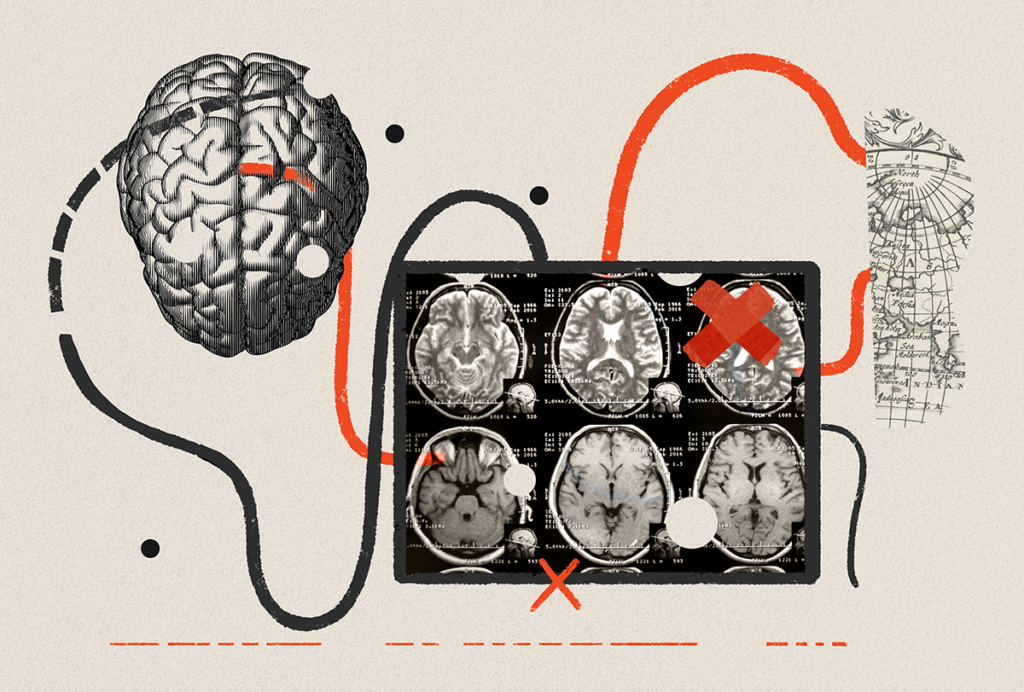
BRAIN Initiative researchers ‘dream big’ amid shifts in leadership, funding
But whether the initiative’s road map for the next decade is feasible remains an open question.
BRAIN Initiative researchers ‘dream big’ amid shifts in leadership, funding
But whether the initiative’s road map for the next decade is feasible remains an open question.
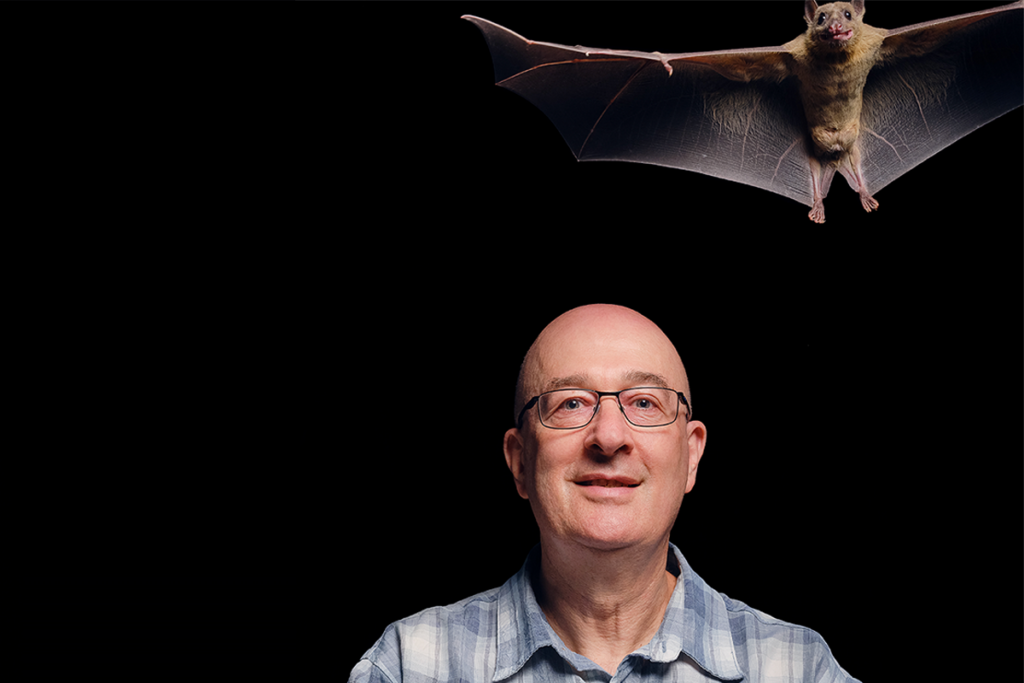
Neuroscience’s leaders, legacies and rising stars of 2025
Here are seven stories from the past year about some of the field’s most engaging figures.
Neuroscience’s leaders, legacies and rising stars of 2025
Here are seven stories from the past year about some of the field’s most engaging figures.
Talking shop: The Transmitter’s top quotes of 2025
Find out what “may be one of the brain’s most underappreciated superpowers” and why it’s so crucial to “talk about our research in our everyday lives.”
Talking shop: The Transmitter’s top quotes of 2025
Find out what “may be one of the brain’s most underappreciated superpowers” and why it’s so crucial to “talk about our research in our everyday lives.”
How will neuroscience training need to change in the future?
Training in computational neuroscience, data science and statistics will need to expand, say many of the scientists we surveyed. But that must be balanced with a more traditional grounding in the scientific method and critical thinking. Researchers noted that funding concerns will also affect training, especially for people from underrepresented groups.
How will neuroscience training need to change in the future?
Training in computational neuroscience, data science and statistics will need to expand, say many of the scientists we surveyed. But that must be balanced with a more traditional grounding in the scientific method and critical thinking. Researchers noted that funding concerns will also affect training, especially for people from underrepresented groups.
Explore more from The Transmitter
Error equation predicts brain’s ability to generalize
Four statistical measurements of neural network geometry capture how well brains and artificial networks use what they already know to solve new problems, a study suggests.
Error equation predicts brain’s ability to generalize
Four statistical measurements of neural network geometry capture how well brains and artificial networks use what they already know to solve new problems, a study suggests.

Embrace complexity to improve the translatability of basic neuroscience
Researchers must learn to view heterogeneity as an essential feature of the systems they study and a central consideration in experimental design, not a variable to control for or reduce.
Embrace complexity to improve the translatability of basic neuroscience
Researchers must learn to view heterogeneity as an essential feature of the systems they study and a central consideration in experimental design, not a variable to control for or reduce.
Romain Brette reveals fundamental flaws in commonly assumed neuroscience concepts
His new book, “The Brain, In Theory,” offers alternatives to many of the computer science frameworks currently driving theoretical neuroscience.
Romain Brette reveals fundamental flaws in commonly assumed neuroscience concepts
His new book, “The Brain, In Theory,” offers alternatives to many of the computer science frameworks currently driving theoretical neuroscience.