ASHG 2018
Recent articles
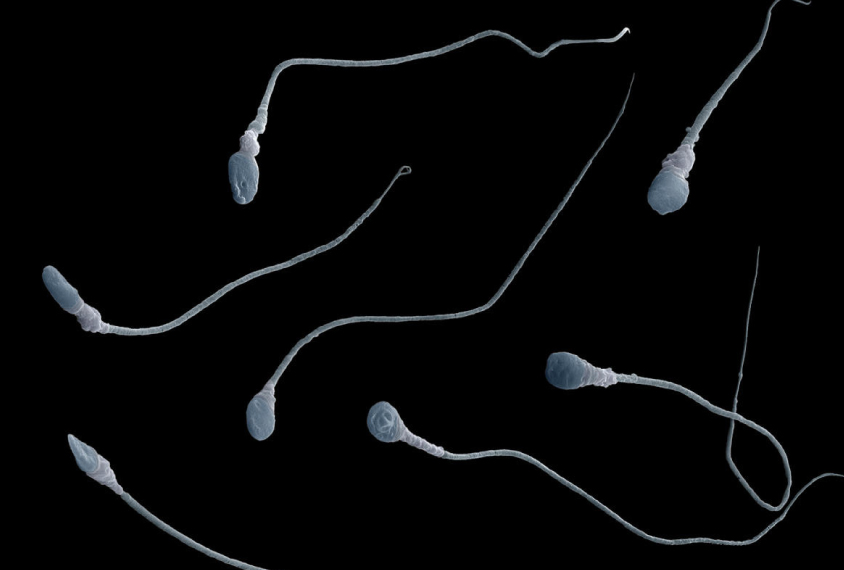
Some autism mutations go undetected, new study suggests
Some mutations that contribute to autism and arise spontaneously may be mistaken for inherited mutations.
Some autism mutations go undetected, new study suggests
Some mutations that contribute to autism and arise spontaneously may be mistaken for inherited mutations.
Massive sequencing project identifies new genetic syndromes
The largest-ever set of sequences from people with developmental delay has revealed 43 new genetic diagnoses.
Massive sequencing project identifies new genetic syndromes
The largest-ever set of sequences from people with developmental delay has revealed 43 new genetic diagnoses.
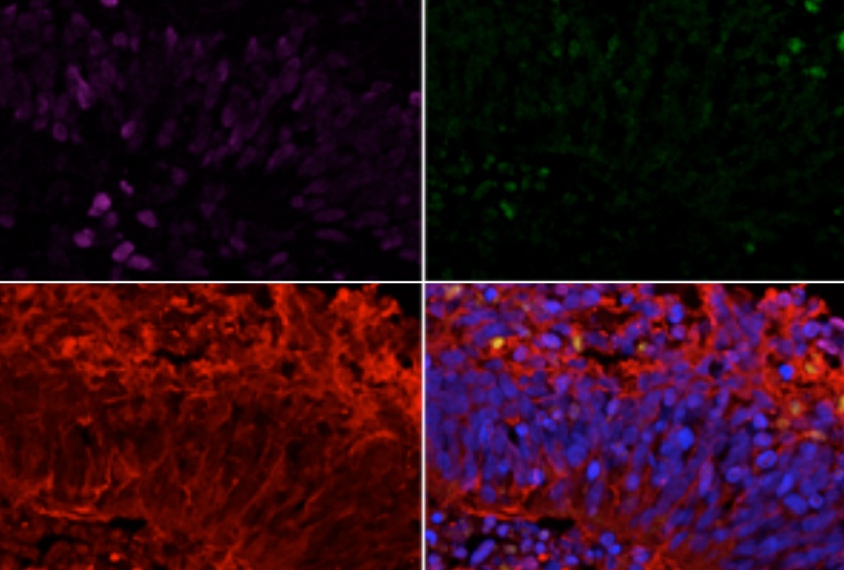
Mini-brains may pin down key genes in large mutations
Clusters of brain cells — so-called 'mini-brains' grown in the lab — may help researchers understand how large stretches of duplicated or deleted DNA affect the brain.
Mini-brains may pin down key genes in large mutations
Clusters of brain cells — so-called 'mini-brains' grown in the lab — may help researchers understand how large stretches of duplicated or deleted DNA affect the brain.
Mutation types tied to autism converge on shared set of genes
Genes linked to autism in sequencing studies tend be located in long stretches of DNA that are duplicated or missing in some people with developmental conditions.
Mutation types tied to autism converge on shared set of genes
Genes linked to autism in sequencing studies tend be located in long stretches of DNA that are duplicated or missing in some people with developmental conditions.

Some ‘autism genes’ show stronger ties to related conditions
The largest autism sequencing study to date implicates 99 genes in the condition — but nearly half have a tighter link to intellectual disability or developmental delay.
Some ‘autism genes’ show stronger ties to related conditions
The largest autism sequencing study to date implicates 99 genes in the condition — but nearly half have a tighter link to intellectual disability or developmental delay.
Explore more from The Transmitter
Why neural foundation models work, and what they might—and might not—teach us about the brain
These models can partly generalize across species, brain regions and tasks, suggesting that a set of machine-learnable rules govern neural population activity. But will we be able to understand them?
Why neural foundation models work, and what they might—and might not—teach us about the brain
These models can partly generalize across species, brain regions and tasks, suggesting that a set of machine-learnable rules govern neural population activity. But will we be able to understand them?
Error equation predicts brain’s ability to generalize
Four statistical measurements of neural network geometry capture how well brains and artificial networks use what they already know to solve new problems, a study suggests.
Error equation predicts brain’s ability to generalize
Four statistical measurements of neural network geometry capture how well brains and artificial networks use what they already know to solve new problems, a study suggests.
Embrace complexity to improve the translatability of basic neuroscience
Researchers must learn to view heterogeneity as an essential feature of the systems they study and a central consideration in experimental design, not a variable to control for or reduce.
Embrace complexity to improve the translatability of basic neuroscience
Researchers must learn to view heterogeneity as an essential feature of the systems they study and a central consideration in experimental design, not a variable to control for or reduce.