Temple Grandin is professor of animal science at Colorado State University and a best-selling author of books on autism and animal behavior.
Temple Grandin
Professor
Colorado State University
From this contributor

Treatments needed for severe sensory sensitivity
There should be more research on sensory sensitivity in autism, which severely affects quality of life, says bestselling author and animal scientist Temple Grandin.
Treatments needed for severe sensory sensitivity
By
Temple Grandin
25 October 2011 | 3 min read
Explore more from The Transmitter
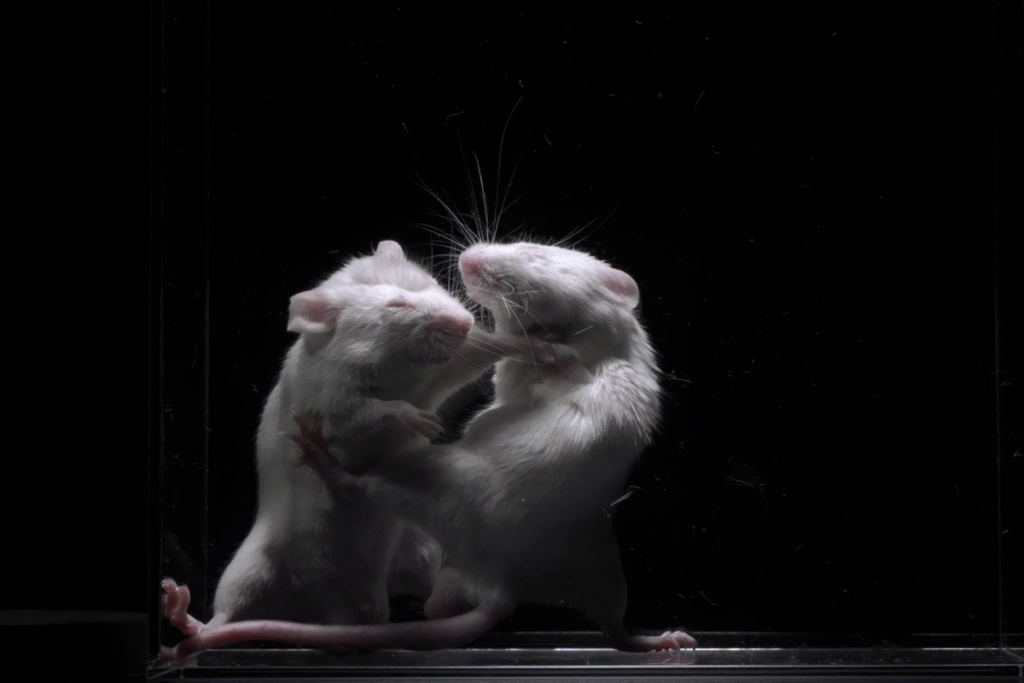
From friend to foe: How the brain updates feelings toward others
A specific hippocampus-to-amygdala pathway reassigns emotional valence to a known individual, whereas the hippocampus’s own representation of that individual’s identity remains stable.
From friend to foe: How the brain updates feelings toward others
A specific hippocampus-to-amygdala pathway reassigns emotional valence to a known individual, whereas the hippocampus’s own representation of that individual’s identity remains stable.
By
Natalia Mesa
9 July 2026 | 5 min read
Mass-produced science is coming. What happens to scientists?
Artificial intelligence may soon enable researchers to generate high-quality science at a previously unimaginable speed. For science consumers—the public, medical patients, technology users—the likely effects will be positive. For scientists, the effects will be as disruptive as industrial mass production was for artisan manufacturers.
Mass-produced science is coming. What happens to scientists?
Artificial intelligence may soon enable researchers to generate high-quality science at a previously unimaginable speed. For science consumers—the public, medical patients, technology users—the likely effects will be positive. For scientists, the effects will be as disruptive as industrial mass production was for artisan manufacturers.
By
Kenneth Harris
9 July 2026 | 9 min read
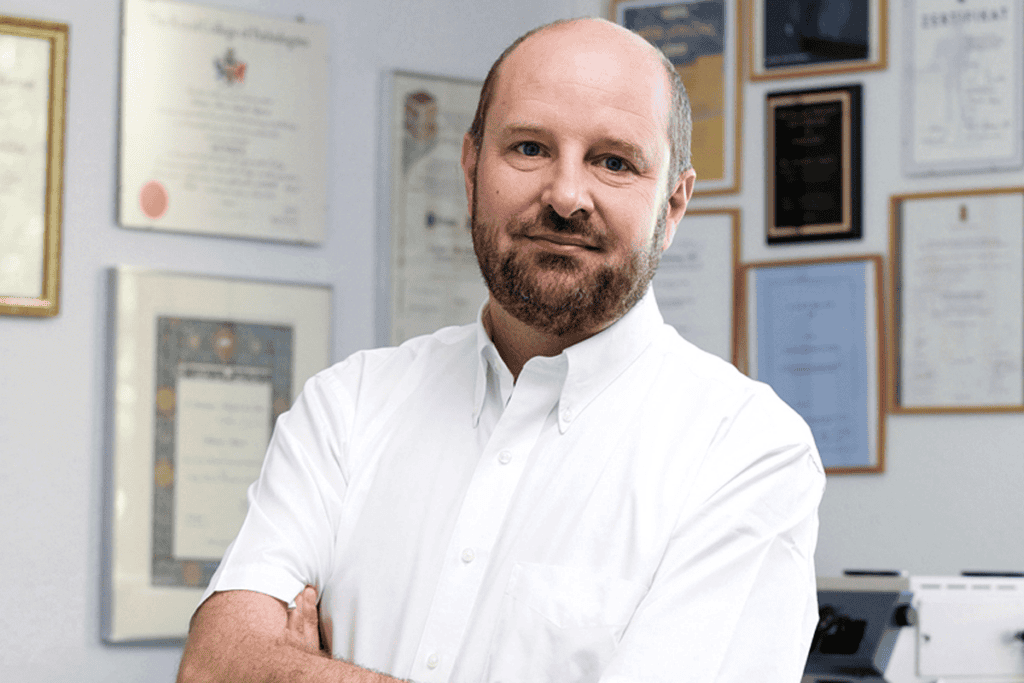
Neuropathologist not guilty of research misconduct, says university probe
The investigation determined that seven papers by corresponding author Adriano Aguzzi have “scientifically significant” errors, which Aguzzi attributes to his former students.
Neuropathologist not guilty of research misconduct, says university probe
The investigation determined that seven papers by corresponding author Adriano Aguzzi have “scientifically significant” errors, which Aguzzi attributes to his former students.
By
Dalmeet Singh Chawla
8 July 2026 | 5 min read