Lea Witkowsky, PhD, is a molecular biologist by training and executive director of the Kavli Center for Ethics, Science, and the Public at the University of California, Berkeley, where she leads initiatives that connect scientists, humanities scholars, policymakers and the public to examine the ethical and societal dimensions of emerging science and technology. The center focuses on fostering public-responsive and ethically grounded approaches to advances in artificial intelligence, neuroscience and genome editing. ACORD, the Autism Communities and Research Dialogue initiative, reflects the center’s commitment to public-responsive neuroscience by creating space for basic scientists alongside autistic and autism community members to shape research questions, priorities and impacts together.

Lea Witkowsky
Executive director
Kavli Center for Ethics, Science, and the Public, University of California, Berkeley
From this contributor

How basic neuroscientists can connect with autistic people and their communities
A first-of-its-kind workshop offers a template for autism researchers who want to incorporate community perspectives into their work.
How basic neuroscientists can connect with autistic people and their communities
Explore more from The Transmitter
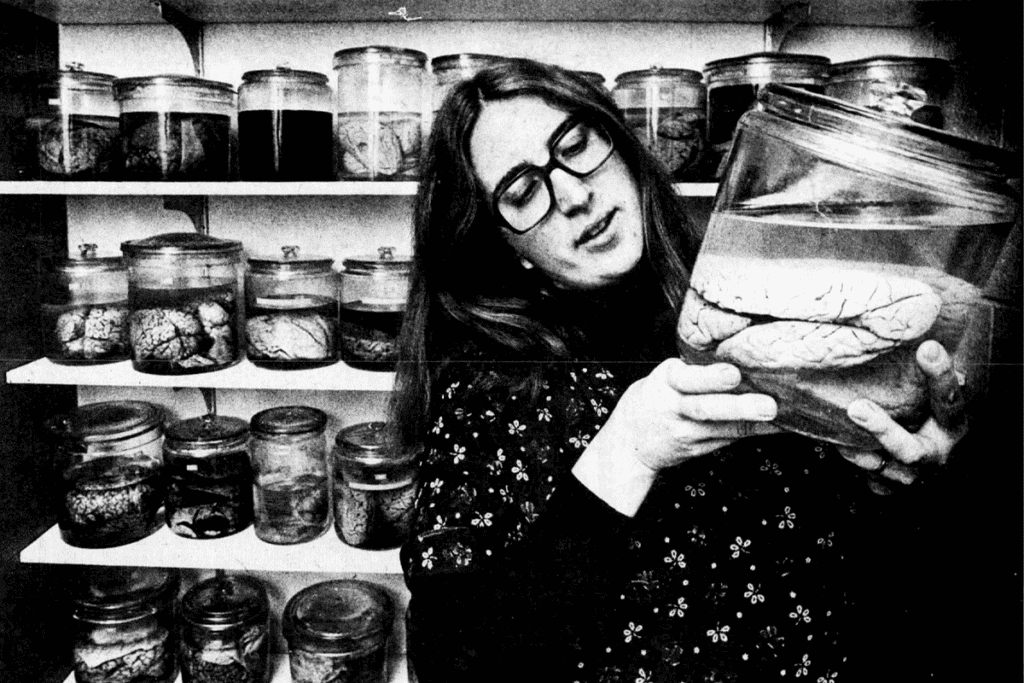
Remembering Barbara Finlay, ‘maverick’ of evolutionary neuroscience
Finlay, who died on 12 September, championed the idea that developmental constraints dictate how evolution sculpts brains, a concept she used to model the timing of hundreds of events and align them across mammalian species.
Remembering Barbara Finlay, ‘maverick’ of evolutionary neuroscience
Finlay, who died on 12 September, championed the idea that developmental constraints dictate how evolution sculpts brains, a concept she used to model the timing of hundreds of events and align them across mammalian species.
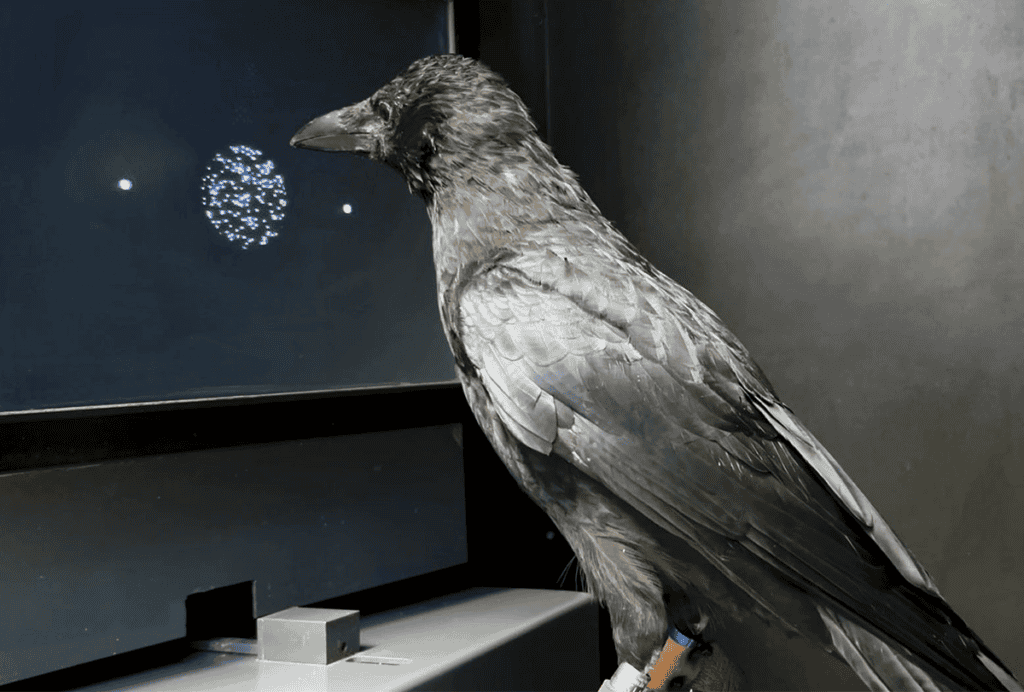
Crows have brains ‘in the fast lane’
The birds accurately complete decision-making tasks twice as fast as primates, although their endbrains look considerably different.
Crows have brains ‘in the fast lane’
The birds accurately complete decision-making tasks twice as fast as primates, although their endbrains look considerably different.

Prevalence of profound autism declines with new definition
The updated, more precise definition used in a CDC study includes adaptive scores.
Prevalence of profound autism declines with new definition
The updated, more precise definition used in a CDC study includes adaptive scores.