Juliana Chase is project analyst and coordinator at the Kavli Center for Ethics, Science, and the Public at the University of California, Berkeley. Her Ph.D. and postdoctoral work in neuroscience examined learning and neural circuit differences in mice with variants in autism-associated genes. Her scientific training led her to think deeply about the limited opportunities basic researchers have to engage with the communities most affected by their work. As a Kavli Center Graduate Fellow and later a staff member at the center, she conceived and led ACORD, the Autism Communities and Research Dialogue, a workshop developed with support from the center to bring basic autism scientists into conversation with autistic people and caregivers. She remains committed to advancing socially responsive science and creating more meaningful forms of community engagement in research. People interested in developing their own workshops like ACORD can contact her at [email protected].
Juliana Chase
Project analyst and coordinator
Kavli Center for Ethics, Science, and the Public, University of California, Berkeley
From this contributor
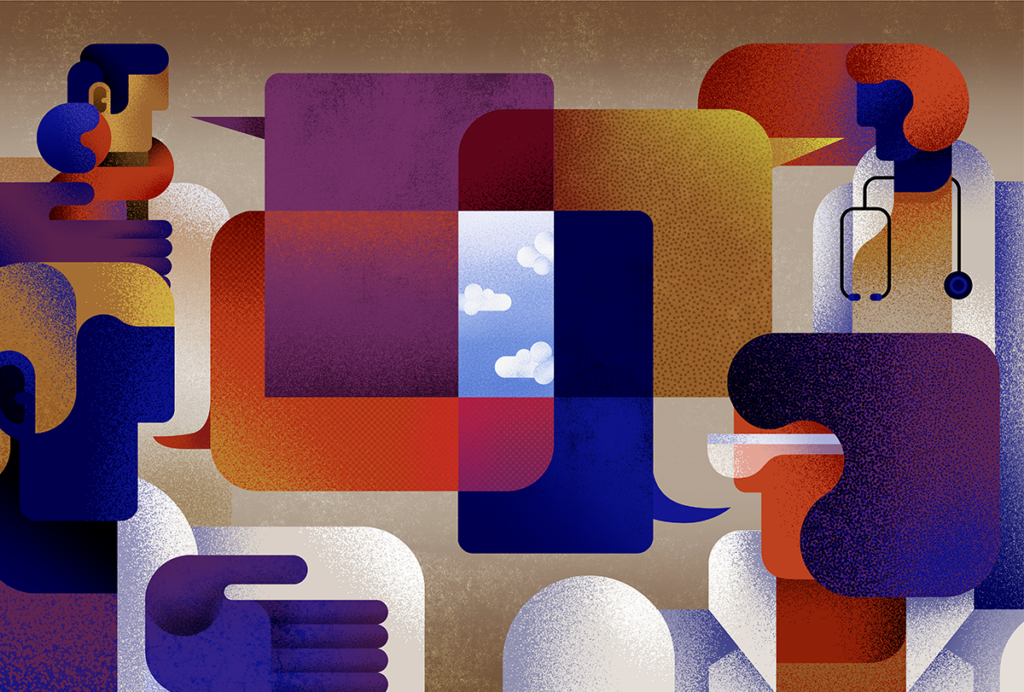
How basic neuroscientists can connect with autistic people and their communities
A first-of-its-kind workshop offers a template for autism researchers who want to incorporate community perspectives into their work.
How basic neuroscientists can connect with autistic people and their communities
Explore more from The Transmitter
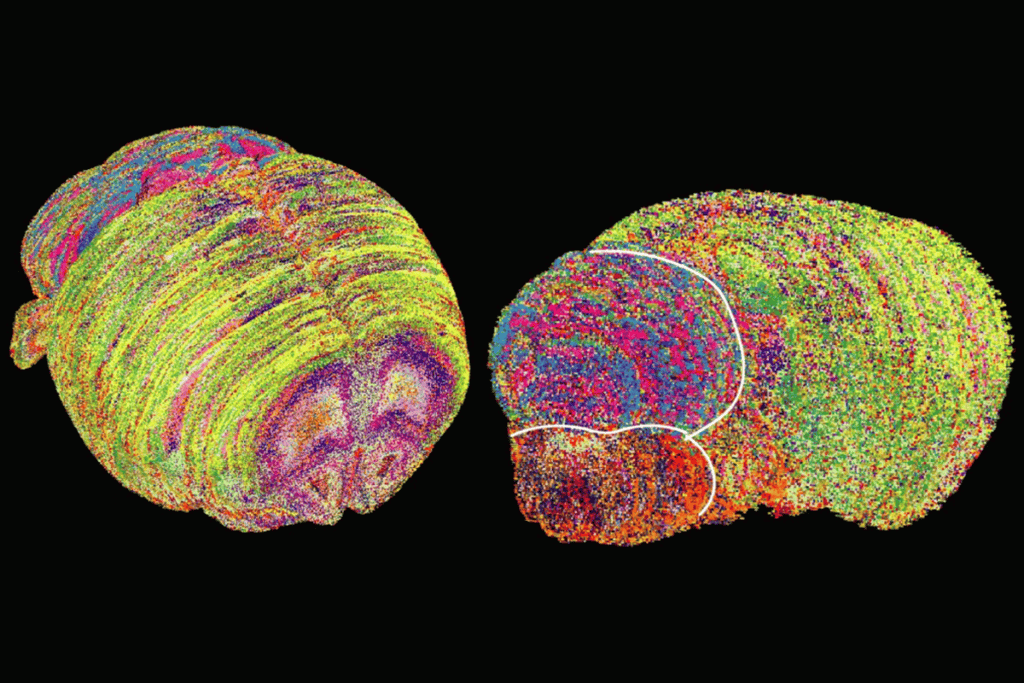
Lipids enter brain mapping limelight
Two new studies, including the first whole-brain lipid atlas in mice, uncover unforeseen complexity and influence during pregnancy and aging.
Lipids enter brain mapping limelight
Two new studies, including the first whole-brain lipid atlas in mice, uncover unforeseen complexity and influence during pregnancy and aging.
Behavioral phenomics in zebrafish; and more
Here is a roundup of autism-related news and research spotted around the web for the week of 26 October.
Behavioral phenomics in zebrafish; and more
Here is a roundup of autism-related news and research spotted around the web for the week of 26 October.
Neuroscience gave AI its start. What happens now?
David Sussillo maps the two fields' divergent paths, and where they might still meet.
Neuroscience gave AI its start. What happens now?
David Sussillo maps the two fields' divergent paths, and where they might still meet.