Francesca Happé’s research in cognitive neuroscience focuses specifically on autism and investigation of related typical and atypical developmental processes, particularly as they relate to social cognition.

Francesca Happé
Professor, King's College London
From this contributor

How autistic people use compensatory strategies to cope with daily life
In a large survey, autistic adults from around the world described their experiences of using psychological strategies to fit in.
How autistic people use compensatory strategies to cope with daily life
By
Francesca Happé, Lucy Anne Livingston, The Conversation
26 July 2019 | 4 min read

Male slant to research may skew autism’s reported sex ratio
Clinicians may need to go beyond the 'masks' to find autism in women.
Male slant to research may skew autism’s reported sex ratio
By
Francesca Happé
19 October 2015 | 6 min read
Remembering Lorna Wing (1928-2014)
Lorna Wing, who died in June, was the modest, kind and thoughtful mother of a daughter with severe autism. She was also a towering figure in the history of autism research, and her contributions to our understanding of autism cannot be overestimated.
Remembering Lorna Wing (1928-2014)
By
Francesca Happé, Simon Baron-Cohen
15 July 2014 | 7 min read
Why fold Asperger syndrome into autism spectrum disorder in the DSM-5?
In the new diagnostic manual for psychiatric disorders, Asperger syndrome will be folded into autism spectrum disorder. Francesca Happé, a member of the committee that made the recommendation, explains the rationale behind the decision.
Why fold Asperger syndrome into autism spectrum disorder in the DSM-5?
By
Francesca Happé
29 March 2011 | 8 min read
Explore more from The Transmitter
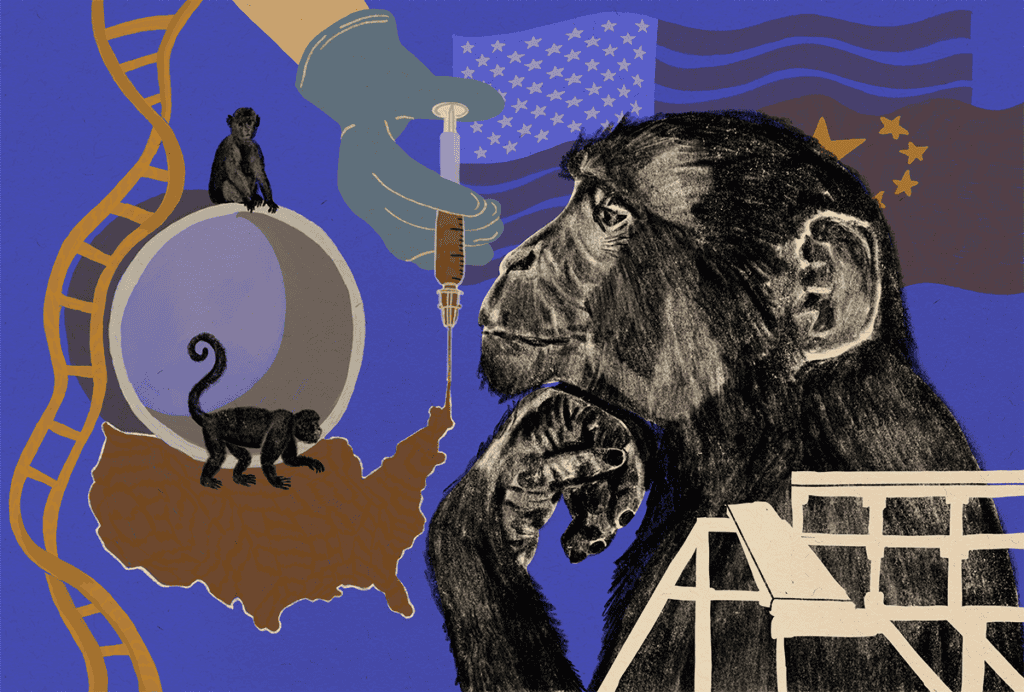
U.S. national primate research centers face an uncertain future
The facilities were meant to last 100 years. Four decades shy of that mark, amid flatlined funds and mounting political pressure, their directors are trying to find a path forward.
U.S. national primate research centers face an uncertain future
The facilities were meant to last 100 years. Four decades shy of that mark, amid flatlined funds and mounting political pressure, their directors are trying to find a path forward.
By
Calli McMurray
9 October 2026 | 12 min read
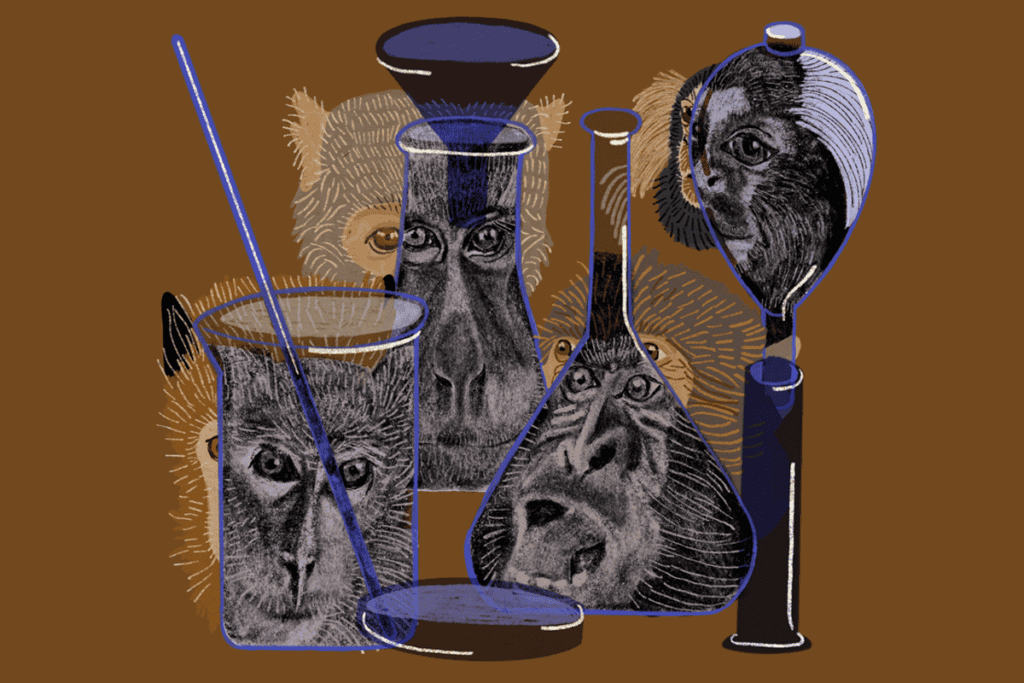
What if nonhuman primate research goes away?
As the U.S. government takes steps to stop using nonhuman primates in research, The Transmitter investigates what that shift could mean for neuroscience.
What if nonhuman primate research goes away?
As the U.S. government takes steps to stop using nonhuman primates in research, The Transmitter investigates what that shift could mean for neuroscience.
By
The Transmitter
9 October 2026 | 2 min read
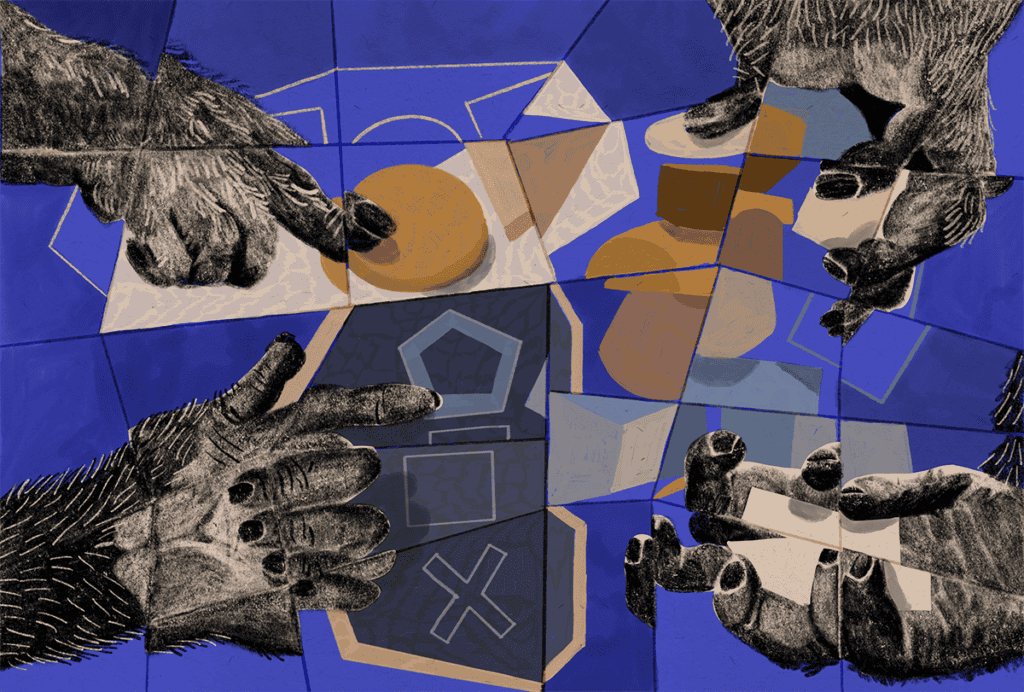
The neuroscience questions that need nonhuman primates
The Transmitter asked 17 neuroscientists what questions might remain unanswered if support for nonhuman primate research continues to decline.
The neuroscience questions that need nonhuman primates
The Transmitter asked 17 neuroscientists what questions might remain unanswered if support for nonhuman primate research continues to decline.
By
Alissa de Chassey
9 October 2026 | 10 min read