Amy Yee is an award-winning journalist whose articles have appeared in The New York Times, The Economist, The Wall Street Journal, The Washington Post, on NPR and in other publications. She is a former correspondent for The Financial Times, based in India and New York. Her article about climate change in the Sundarbans mangrove forest of Bangladesh was a Notable Essay in The Best American Essays 2015.
Amy Yee
Freelance Writer
Spectrum
From this contributor
Autism’s full spectrum
Minority families often miss out on treatment or get left out of research — an ethical failure. New projects are illuminating autism’s diverse shades.
Explore more from The Transmitter
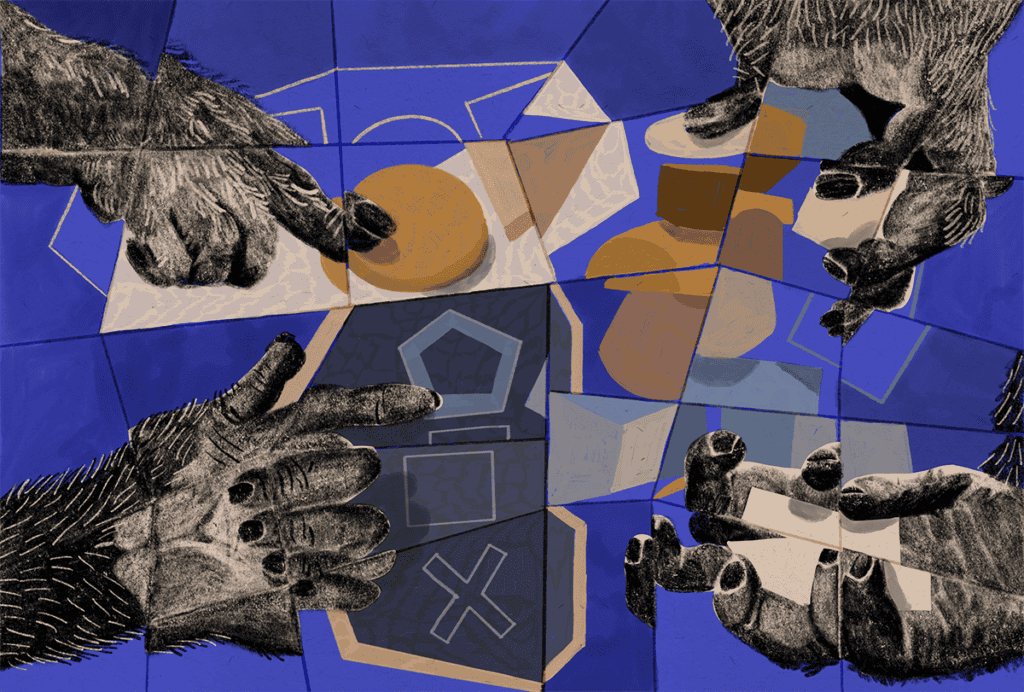
The neuroscience questions that need nonhuman primates
The Transmitter asked 17 neuroscientists what questions might remain unanswered if support for nonhuman primate research continues to decline.
The neuroscience questions that need nonhuman primates
The Transmitter asked 17 neuroscientists what questions might remain unanswered if support for nonhuman primate research continues to decline.
By
Alissa de Chassey
21 October 2026 | 10 min read
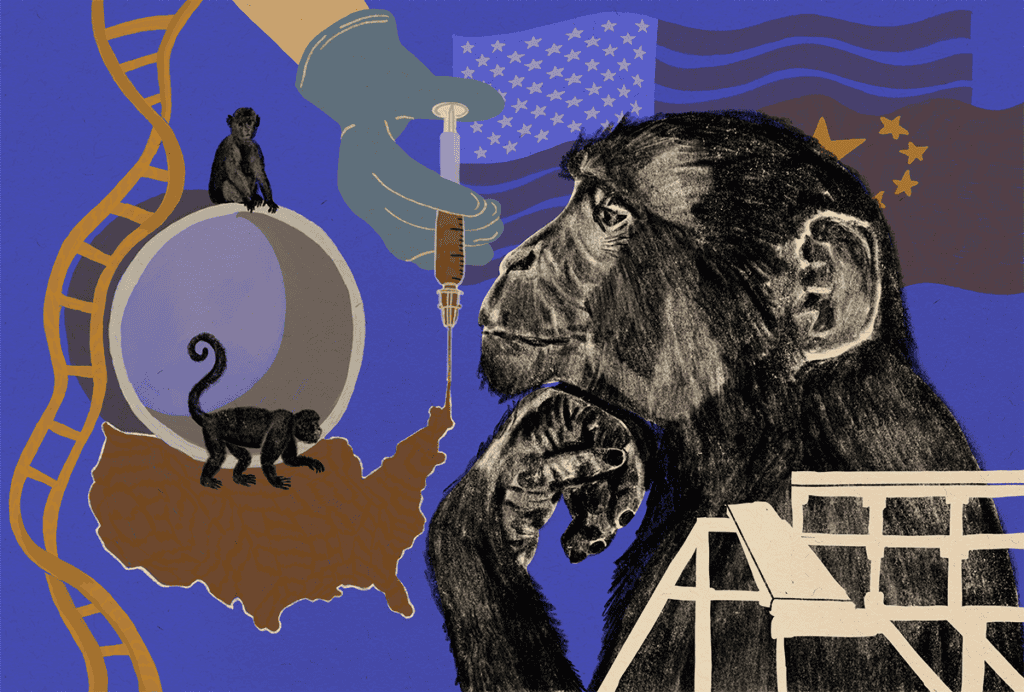
U.S. national primate research centers face an uncertain future
The facilities were meant to last 100 years. Four decades shy of that mark, amid flatlined funds and mounting political pressure, their directors are trying to find a path forward.
U.S. national primate research centers face an uncertain future
The facilities were meant to last 100 years. Four decades shy of that mark, amid flatlined funds and mounting political pressure, their directors are trying to find a path forward.
By
Calli McMurray
21 October 2026 | 12 min read
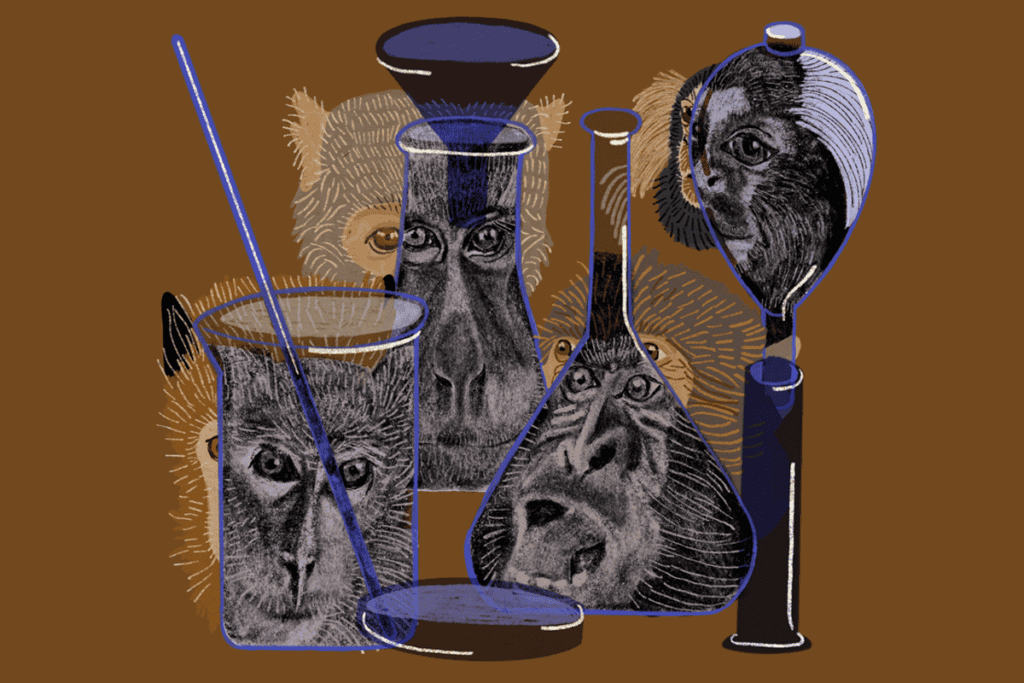
What if nonhuman primate research goes away?
As the U.S. government takes steps to stop using nonhuman primates in research, The Transmitter investigates what that shift could mean for neuroscience.
What if nonhuman primate research goes away?
As the U.S. government takes steps to stop using nonhuman primates in research, The Transmitter investigates what that shift could mean for neuroscience.
By
The Transmitter
21 October 2026 | 2 min read