Barbara Feder Ostrov, Senior Correspondent for California Healthline, has reported on medicine and health policy for more than 15 years. She covered the medical beat for the San Jose Mercury News for eight years and edited the website of the Center for Health Journalism at the USC Annenberg School of Journalism. She previously worked at The Palm Beach Post and the Miami Herald. Her work also has been published in The Boston Globe, Ms. Magazine, Atlantic.com, PBS NewsHour, NPR, CNN.com and EverydayHealth.com. She has won awards from the Society for Women’s Health Research, the California Newspaper Publishers Association and the Florida Press Club. She is based in San Jose, California.

Barbara Feder Ostrov
Kaiser Health News
From this contributor

How the college admissions cheating scandal hurts students with disabilities
In the wake of this week's college admissions cheating scandal, families and advocates are worried about a backlash that could make it harder for students with legitimate disabilities to get the accommodations the need.
How the college admissions cheating scandal hurts students with disabilities
By
Barbara Feder Ostrov, Ana B. Ibarra, Kaiser Health News
15 March 2019 | 5 min read

Study of birth defects, folic acid in foods finds more questions than answers
Fortifying cereal and bread products with folic acid has not led to as dramatic a decline in congenital defects as expected.
Study of birth defects, folic acid in foods finds more questions than answers
By
Barbara Feder Ostrov, Kaiser Health News
23 May 2016 | 6 min read
Explore more from The Transmitter
Susana Carmona on the neurobiology of pregnancy
In a Q&A about her new book, “A Mother’s Brain,” Carmona shares key moments in her career that led her to study the neuroscience of motherhood and discusses some of the major questions the field still needs to address.
Susana Carmona on the neurobiology of pregnancy
In a Q&A about her new book, “A Mother’s Brain,” Carmona shares key moments in her career that led her to study the neuroscience of motherhood and discusses some of the major questions the field still needs to address.
By
Francisco J. Rivera Rosario
6 October 2026 | 8 min read
Aging biomarkers in autism; and more
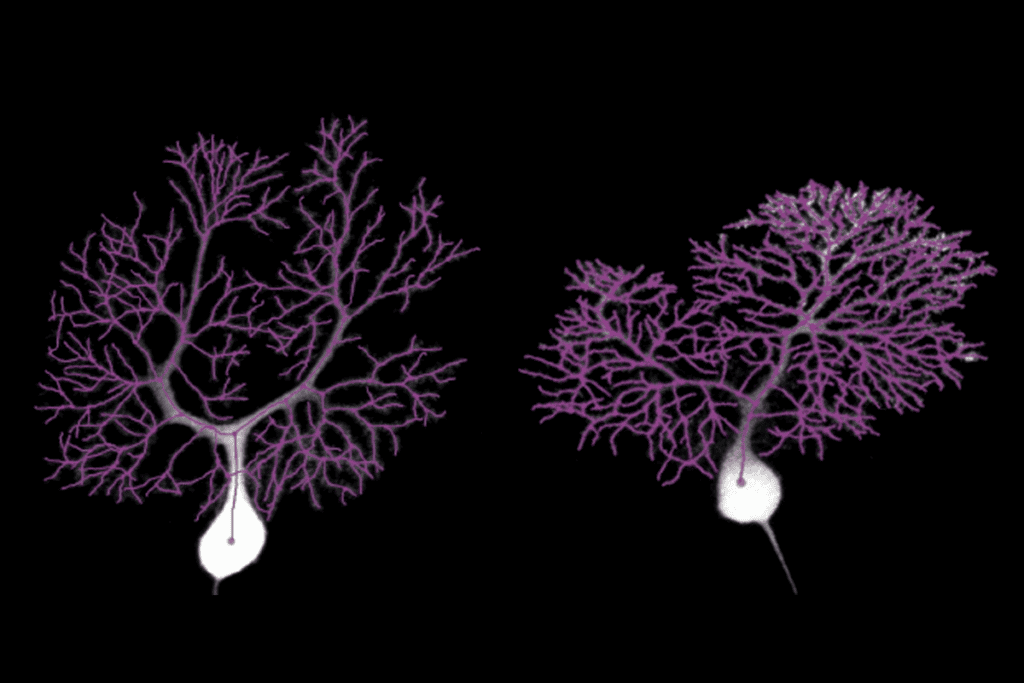
Here is a roundup of autism-related news and research spotted around the web for the week of 5 October.
Aging biomarkers in autism; and more
Here is a roundup of autism-related news and research spotted around the web for the week of 5 October.
By
Jill Adams
6 October 2026 | 2 min read
Beyond wiring diagrams: Inside a $19 million effort to expand access to connectome technology
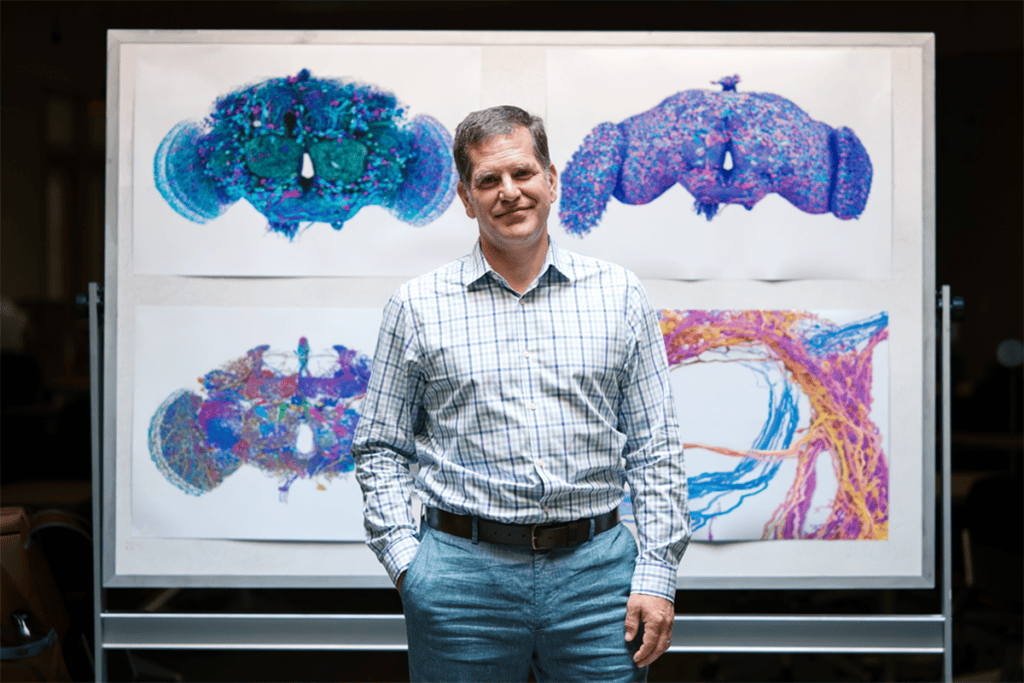
Davi Bock’s lab took the millions of images that led to the complete connectome of a fruit fly brain. Now he wants to apply “this high-throughput flashlight across all areas of biology.”
Beyond wiring diagrams: Inside a $19 million effort to expand access to connectome technology
Davi Bock’s lab took the millions of images that led to the complete connectome of a fruit fly brain. Now he wants to apply “this high-throughput flashlight across all areas of biology.”
By
Calli McMurray
6 October 2026 | 11 min read