Before joining Los Alamos National Laboratory as a senior research scientist in March 2025, Bradley Love was professor of cognitive and decision sciences at University College London and a fellow at the European Lab for Learning & Intelligent Systems. Previously, he was associate professor of psychology at the University of Texas at Austin, where he received an NSF CAREER Award. In his past work, he developed models of human learning and decision-making and incorporated them into the analysis of brain imaging data. More recently, he aimed to make deep-learning models more human-like in terms of aligning with behavior and brain response. He is currently interested in building systems (that include large language models as components) to accelerate scientific discovery.

Bradley Love
Senior research scientist
Los Alamos National Laboratory
Explore more from The Transmitter
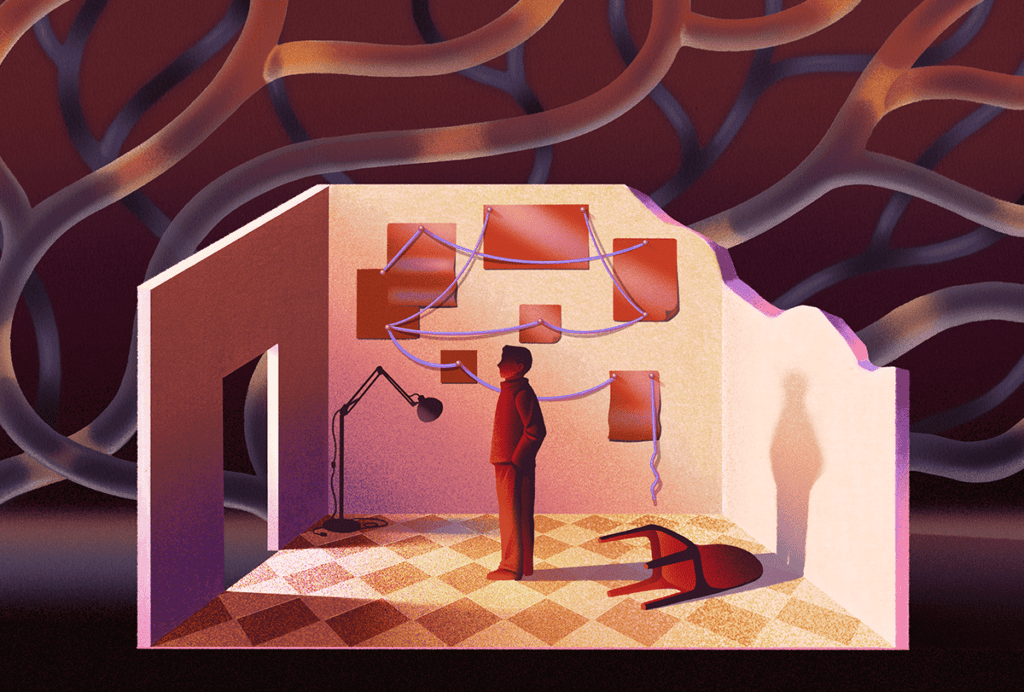
What to do when traditional mechanistic approaches no longer work
Many complex behaviors have stubbornly resisted mechanistic explanations. Deciphering them will require new approaches—and perhaps a new concept of “understanding.”
What to do when traditional mechanistic approaches no longer work
Many complex behaviors have stubbornly resisted mechanistic explanations. Deciphering them will require new approaches—and perhaps a new concept of “understanding.”
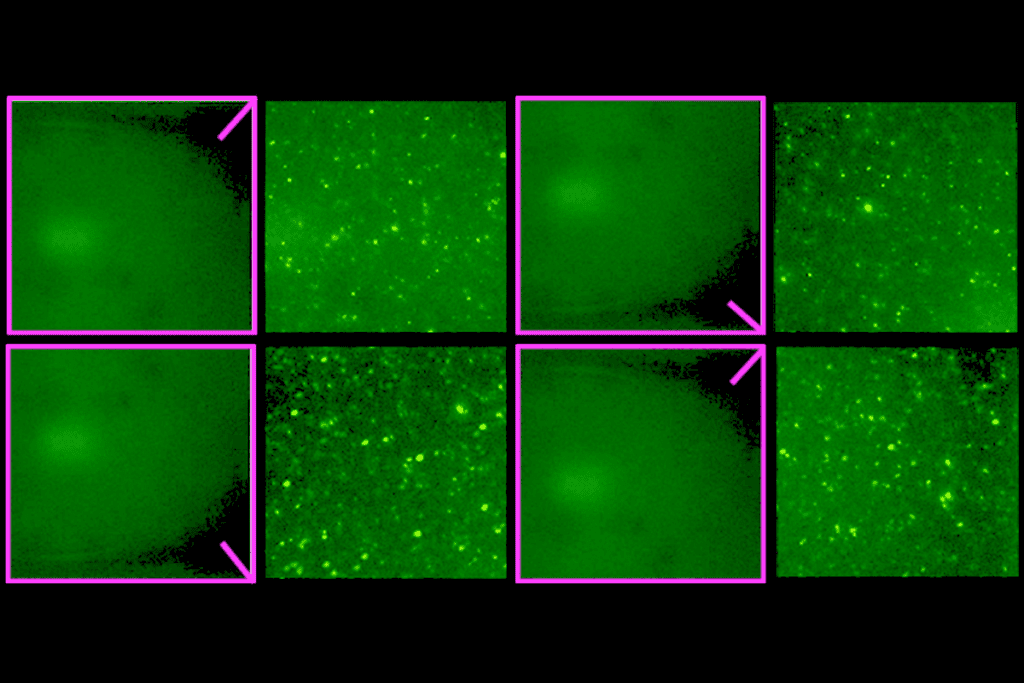
University probe leads to retraction of four neural tube studies
The University of Maryland conducted an internal investigation that identified image duplications and other data integrity issues in the studies, according to the retraction notices.
University probe leads to retraction of four neural tube studies
The University of Maryland conducted an internal investigation that identified image duplications and other data integrity issues in the studies, according to the retraction notices.

Highly cited autism paper earns expression of concern over data duplications
The notice, published in Nature last week, also addressed an image duplication identified by a prominent research-integrity sleuth.
Highly cited autism paper earns expression of concern over data duplications
The notice, published in Nature last week, also addressed an image duplication identified by a prominent research-integrity sleuth.