LISTEN TO THIS STORY:
0:00
/
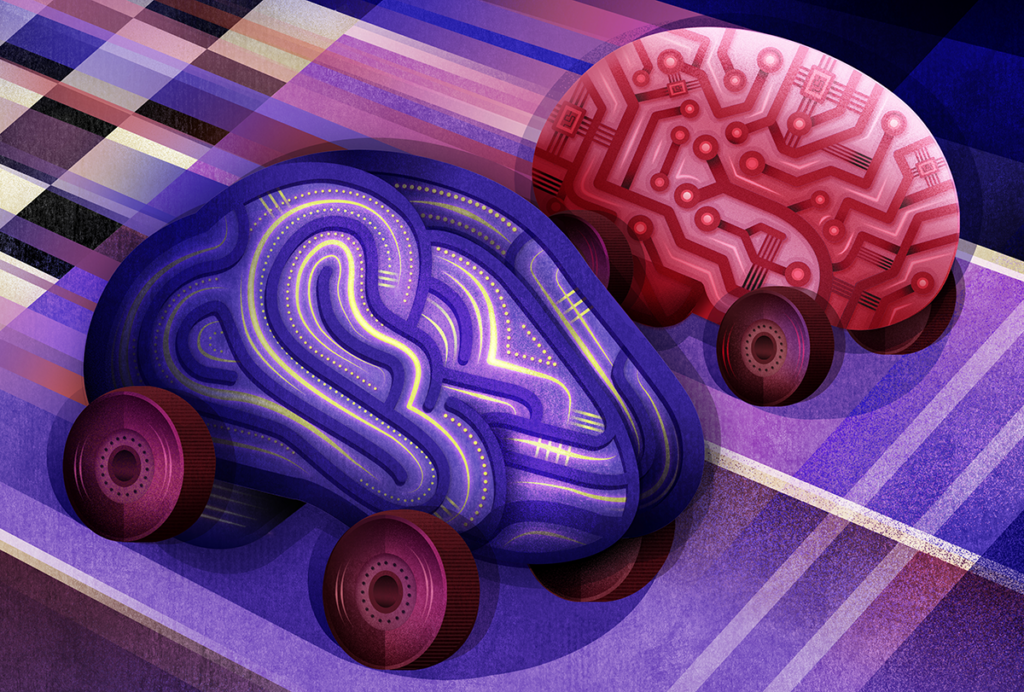
Myelin may serve as an energy reserve for the brain, according to recent findings, prompting neuroscientists to rethink how the brain stores, shares and protects energy.
Ask most neuroscientists how the brain powers itself, and the answer comes quickly: glucose delivered through the bloodstream. That answer is correct—and, as we are increasingly learning, insufficient.
The brain consumes enormous amounts of energy, stores little of it, and begins to fail within minutes when fuel delivery stops. For decades, that apparent vulnerability shaped how we think about cognition, disease and survival. It helped explain why cerebral blood flow matters so much, why strokes are so devastating and why even brief hypoglycemia can impair thought. But a growing body of evidence suggests the brain is far more resourceful than this textbook picture implies. I believe we are entering a new era in understanding brain metabolism.
The first cracks in the glucose-only model came from studying astrocytes. In the 1990s, researchers showed that astrocytes could absorb glucose and convert part of it into lactate, which neurons then used as fuel. The idea was controversial at first because it challenged a neuron-centered view of metabolism, but it is now central to modern discussions of neuroenergetics. Energy in the brain, it turned out, is not simply delivered. It can be processed, redistributed and shared among different cell types.
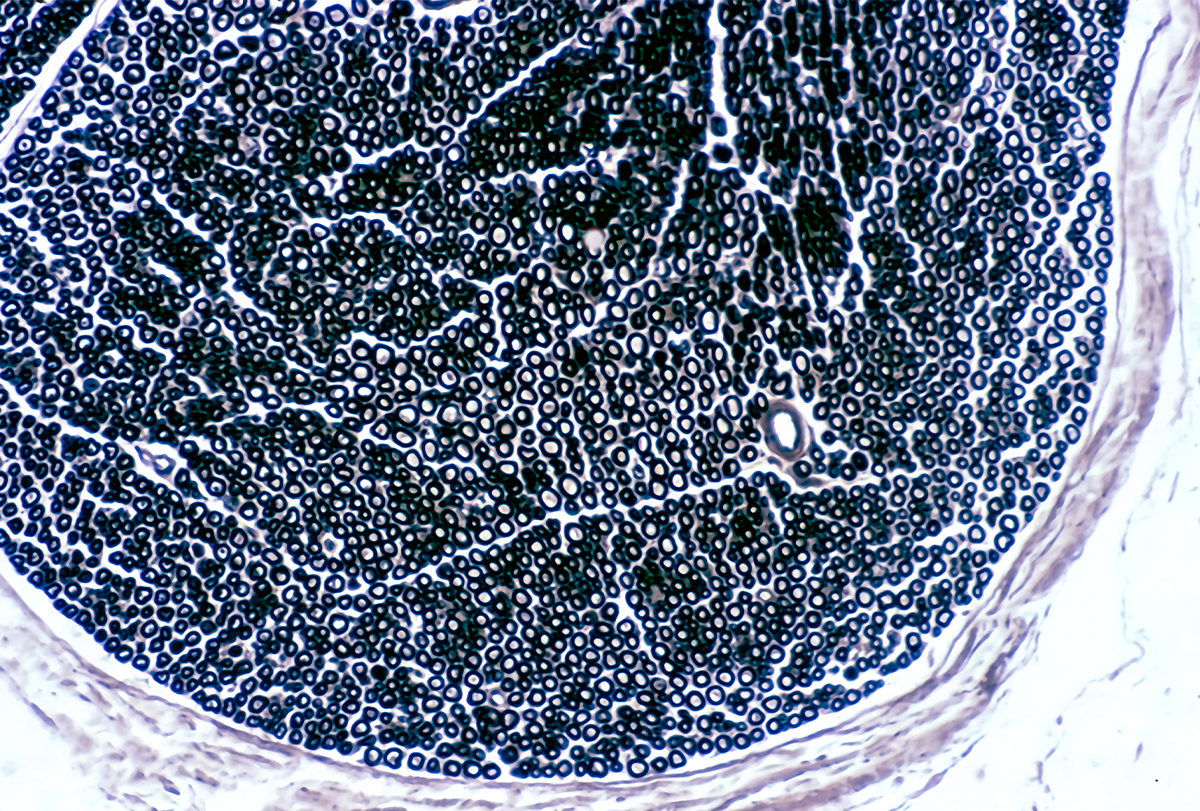
A second conceptual shift emerged over the past decade through studies of myelin and the oligodendrocytes that produce it. Myelin is usually described as insulation—the fatty sheath that allows electrical impulses to travel rapidly along axons. Oligodendrocytes provide metabolic support to axons, partly through the delivery of lactate via monocarboxylate transporters, which sustains axonal excitability and structural integrity. When this support fails, axons can degenerate, even when myelin still appears to be structurally present.
This insight helped demonstrate that white matter is not just cabling; it is living infrastructure that must be maintained, nourished and repaired. Axons and oligodendrocytes depend on each other. Neuronal communication along axons relies not only on electrical speed but also on metabolic cooperation that dynamically responds to neuronal activity.
My view is that even this expanded model still misses something important. It may be time to reconsider myelin itself. Myelin is one of the most lipid-rich structures in the body—and lipids are dense stores of chemical energy. Yet myelin has mostly been treated as passive architecture—useful for conduction, damaged in disease, but not actively involved in moment-to-moment energy strategy. But what if myelin serves, in part, as an energy reserve for the brain?
A
n emerging line of research hints that this may be the case. For instance, our group performed a brain imaging study on long-distance runners before and after they completed a marathon. MRI scans of the marathon runners’ brains showed that myelin content was reduced in several white-matter tracts immediately after the race; two months later, myelin levels had recovered to baseline levels. The results suggest that under intense energetic stress, the brain may temporarily draw on components of lipid-rich myelin and later rebuild them during recovery.Of course, this interpretation requires caution. MRI signals are indirect, and no single imaging technique can prove that myelin lipids in the runners were mobilized as fuel. But even if only partly true, the implications are substantial.
Other groups, working with mice, have independently reported findings that point in a similar direction. Work from Klaus-Armin Nave’s laboratory, for example, found that myelin lipids may act as glial energy reserves under extreme metabolic conditions; in the absence of glucose, myelin metabolism supports axonal function in optic nerve neurons and myelin thins. Research from Maarten Kole’s group has also highlighted unexpectedly dynamic interactions between myelin, energy use and axonal physiology.
These findings might mean that structure and metabolism should no longer sit in separate boxes. The brain’s wiring could also be part of its fuel strategy. Myelin may be more than insulation; it may also form part of the brain’s adaptive metabolic infrastructure. This perspective may matter even more in disease. Many brain disorders involve metabolic abnormalities related to impaired glucose use or mitochondrial dysfunction. Those mechanisms are real and important, but they may not be the whole story.
We know now that, rather than being a passive organ waiting for fuel, the brain looks more like an adaptive economy—one that moves energy between cell types, switches among fuels when conditions change, and may even draw on internal reserves during extreme demand. Disease may arise when energy-sharing among astrocytes, oligodendrocytes and neurons breaks down or when the brain loses flexibility in fuel choice. Or when internal reserves such as myelin cannot be maintained, replenished or efficiently remodeled.
That broader framework could open new therapeutic paths. Instead of targeting only neurons, we may need to strengthen metabolic cooperation across cell types. Instead of asking only how much fuel reaches the brain, we may need to ask how effectively the brain distributes and uses it. Protecting white matter might preserve not only connectivity but also energetic stability. Thinking about brain metabolism as a distributed and cooperative system also changes the experiments neuroscience should prioritize.
Can exercise train metabolic resilience in the brain the way it trains muscle? Can nutrition, fasting states or ketone metabolism improve cerebral fuel flexibility? Can imaging detect short-term shifts in internal reserves? Can therapies that preserve myelin also preserve energy balance? Might some symptoms reflect failed energy logistics as much as neuron loss?
These questions once sat at the edges of neuroscience. They are now moving toward the center. Across the field, metabolism is returning as a unifying theme. Researchers studying cognition, aging, neurodegeneration, psychiatric illness and performance increasingly encounter the same reality: Brain function depends on energy management.
For years, we asked how the brain is powered. That was the right question for its time. The next breakthrough may come when we ask how the brain stores, shares, prioritizes and protects that power across cells and across time. Because the brain may do far more than consume energy. It may actively manage it—and, when necessary, live partly off its own reserves.