David Vanadia
Illustrator
From this contributor
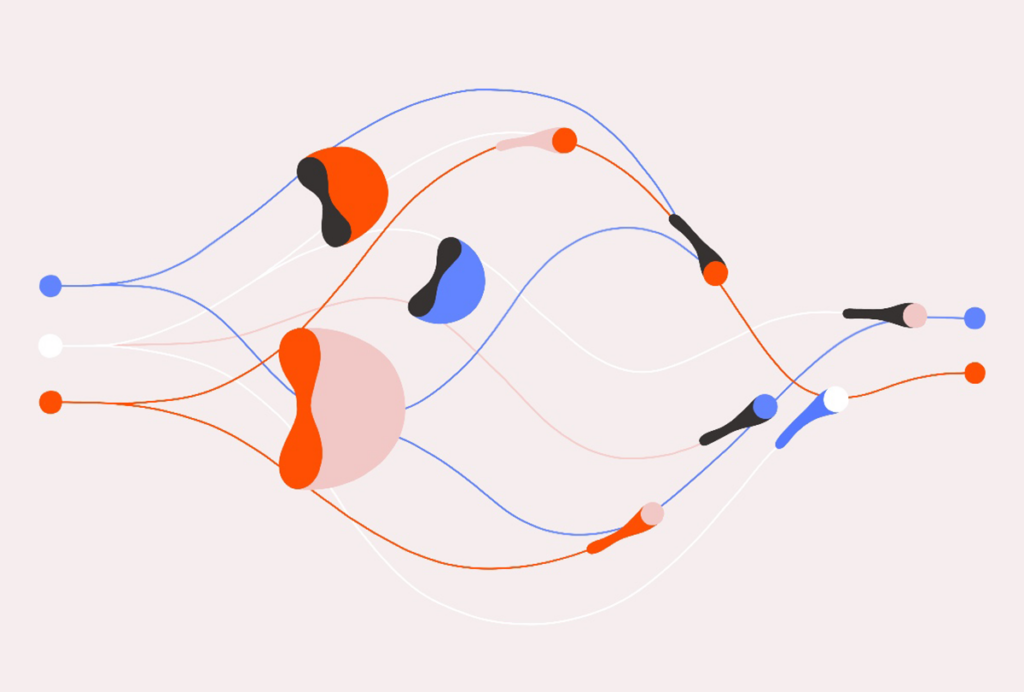
Claims of necessity and sufficiency are not well suited for the study of complex systems
The earliest studies on necessary and sufficient neural populations were performed on simple invertebrate circuits. Does this logic still serve us as we tackle more sophisticated outputs?
Claims of necessity and sufficiency are not well suited for the study of complex systems
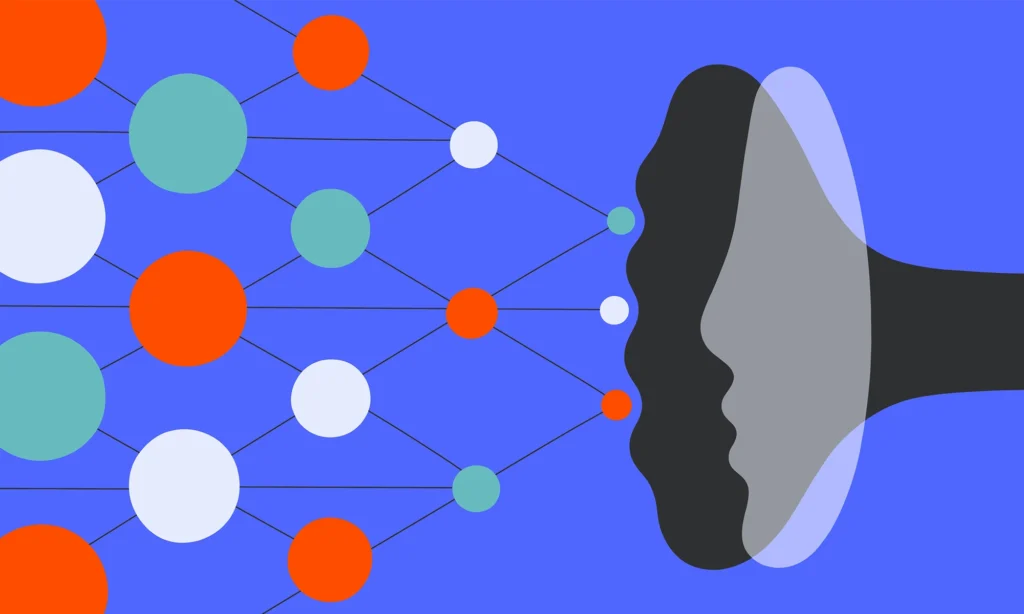
How to be a multidisciplinary neuroscientist
Neuroscience subfields are often siloed. Embracing an integrative approach during training can help change that.
How to be a multidisciplinary neuroscientist
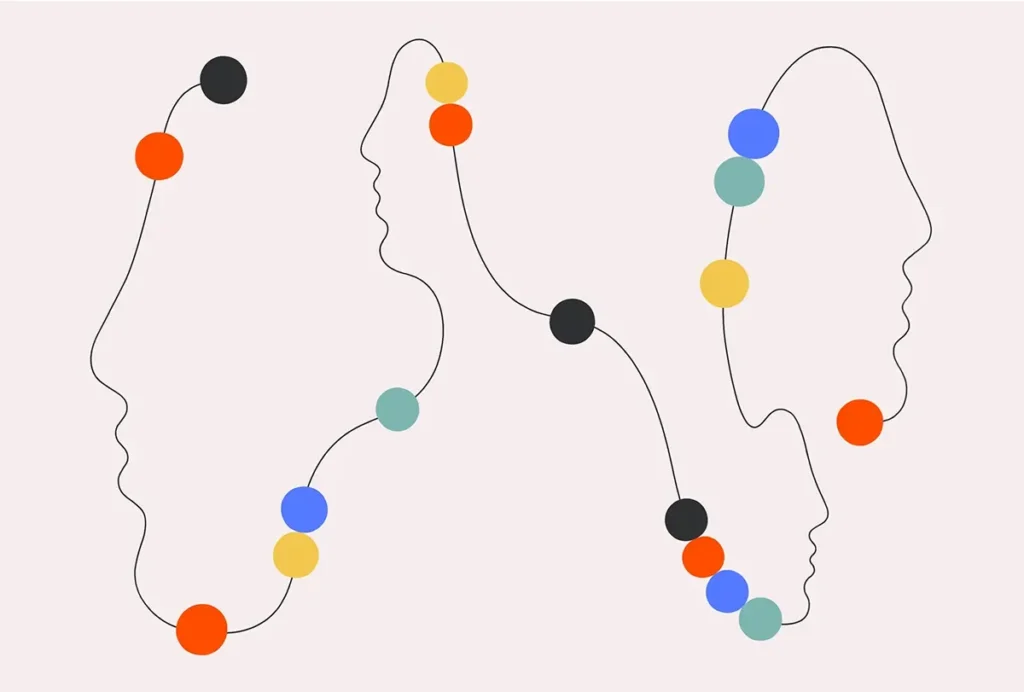
How to use race and ethnicity data responsibly in neuroscience research
Follow these four tips to avoid using the information in problematic ways, including as a proxy for environmental variables.
How to use race and ethnicity data responsibly in neuroscience research
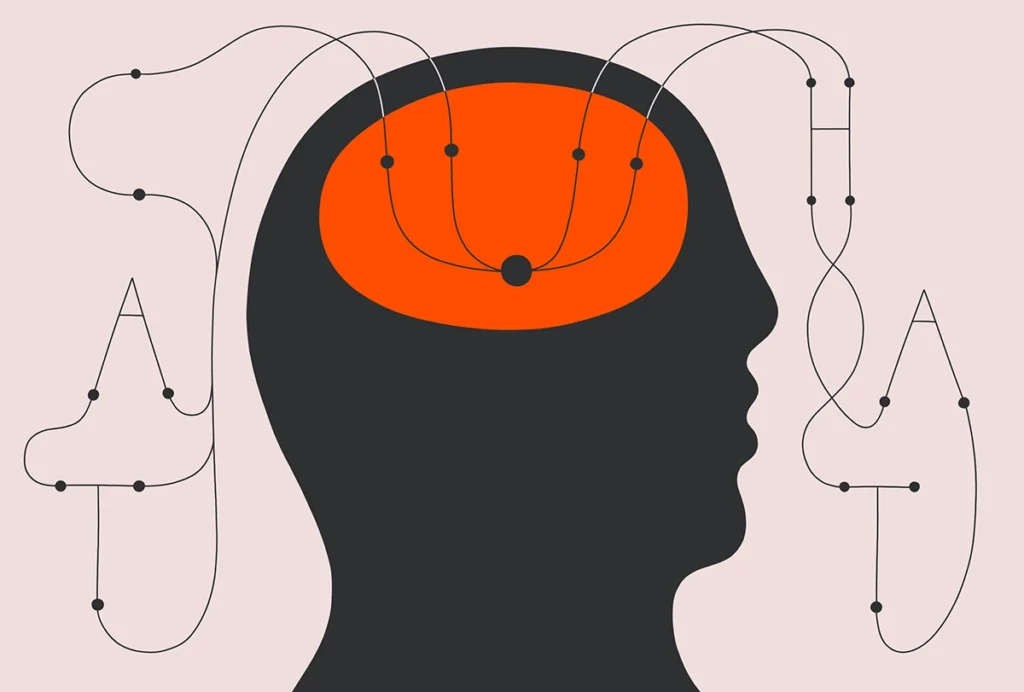
Individual neurons tune to complex speech sounds and cues
Neuropixels arrays implanted in people reveal nuances of speech perception and production that confirm results from brain-surface recordings and can even predict what someone is about to say.
Individual neurons tune to complex speech sounds and cues
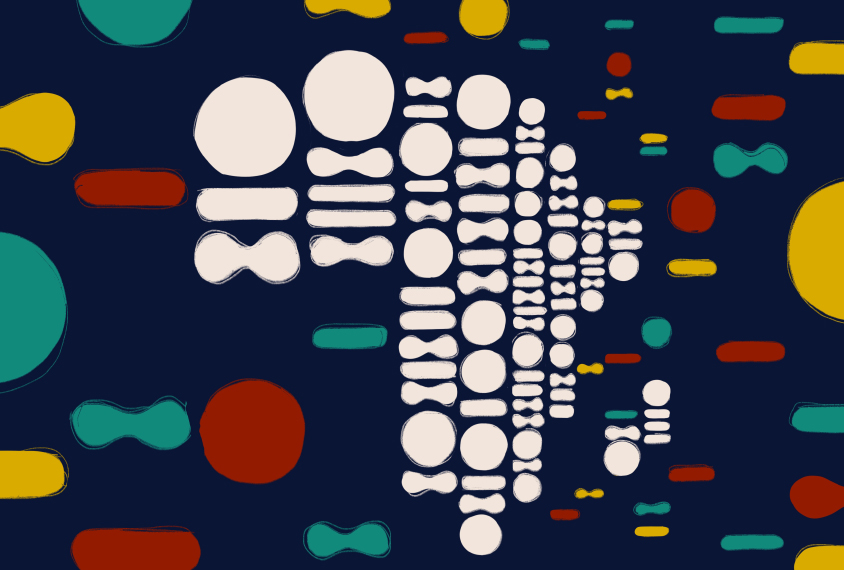
Africa’s genomic role: Q&A with Conrad Iyegbe and Niran Okewole
Psychiatric genomics promises to shed light on the genetic basis of autism, but it’s vital to include Africa in this research, Iyegbe and Okewole say.
Africa’s genomic role: Q&A with Conrad Iyegbe and Niran Okewole
Explore more from The Transmitter
What a bird’s-eye view of half a million papers reveals about neuroscience
New research uses artificial-intellligence-driven bibliometrics to map the structural organization of neuroscience across 25 years. The field it reveals is at once thriving and theoretically adrift.
What a bird’s-eye view of half a million papers reveals about neuroscience
New research uses artificial-intellligence-driven bibliometrics to map the structural organization of neuroscience across 25 years. The field it reveals is at once thriving and theoretically adrift.
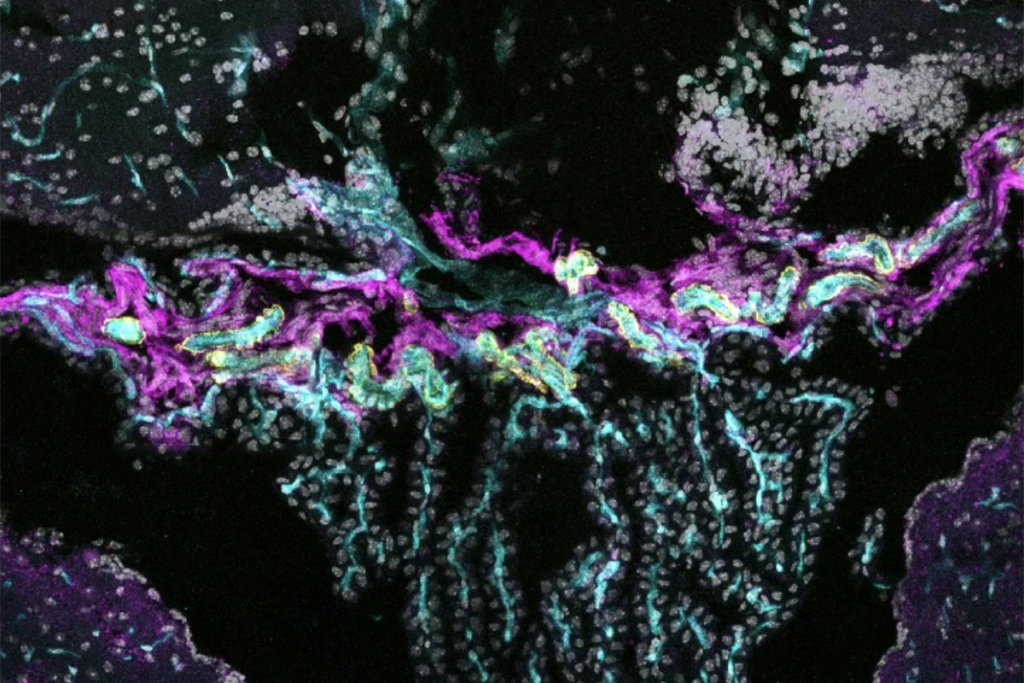
Newly identified barrier cells seal off choroid plexus from CSF, rest of brain
A long-overlooked layer of fibroblasts exists inside the choroid plexus of mice and humans, adding complexity to the area’s compartmentalization.
Newly identified barrier cells seal off choroid plexus from CSF, rest of brain
A long-overlooked layer of fibroblasts exists inside the choroid plexus of mice and humans, adding complexity to the area’s compartmentalization.
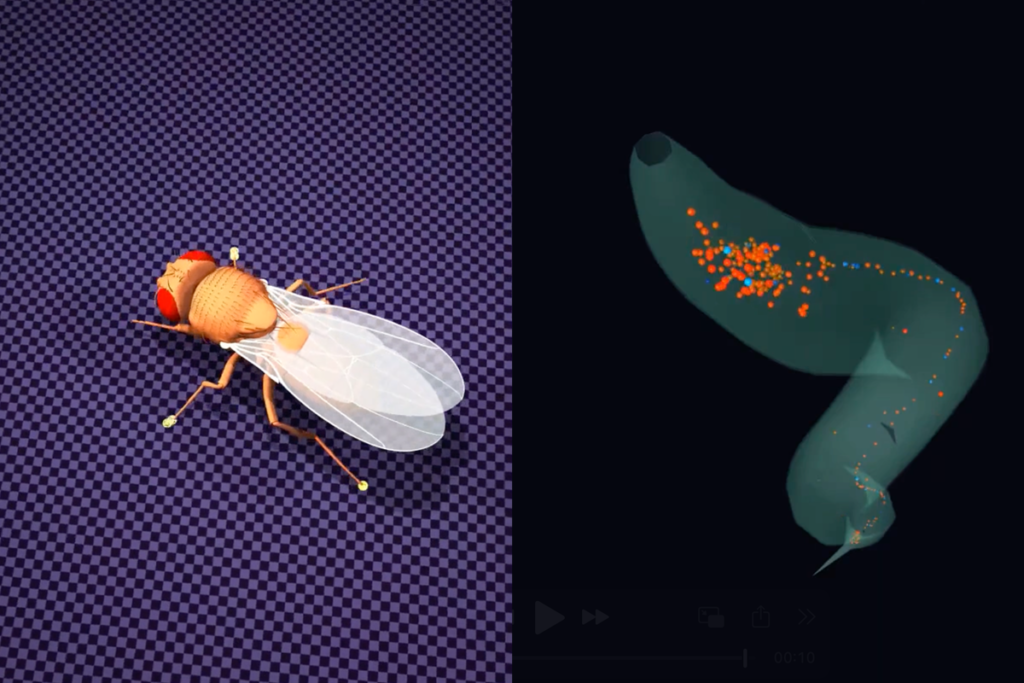
‘Digital sphinx’ raises questions about connectome models
The sphinx, with a worm’s brain and a fly’s body, illustrates the potential pitfalls of using deep-learning techniques to model biological processes.
‘Digital sphinx’ raises questions about connectome models
The sphinx, with a worm’s brain and a fly’s body, illustrates the potential pitfalls of using deep-learning techniques to model biological processes.