Francisco J. Rivera Rosario edits scientist-written essays and develops new resources for the community. He also manages the ‘This paper changed my life’ series, acquires book excerpts and writes The Transmitter Launch, a monthly newsletter for early-career researchers. Before joining The Transmitter, he spent his career in science communications and health writing, including time working as an editor for a science communications agency and freelancing for TED Conferences and Health. Prior to moving into science communication, Francisco worked in a research lab, studying the genetic basis of rare forms of autism.

Francisco J. Rivera Rosario
Associate editor, opinion and community
The Transmitter
From this contributor
David Sussillo on persistence, luck and the bonds between life and work
By
Francisco J. Rivera Rosario, David Sussillo
17 March 2026 | 7 min watch

The Transmitter ’s Rising Stars of Neuroscience 2025
By
Francisco J. Rivera Rosario, Lauren Schneider
15 November 2025 | 23 min read
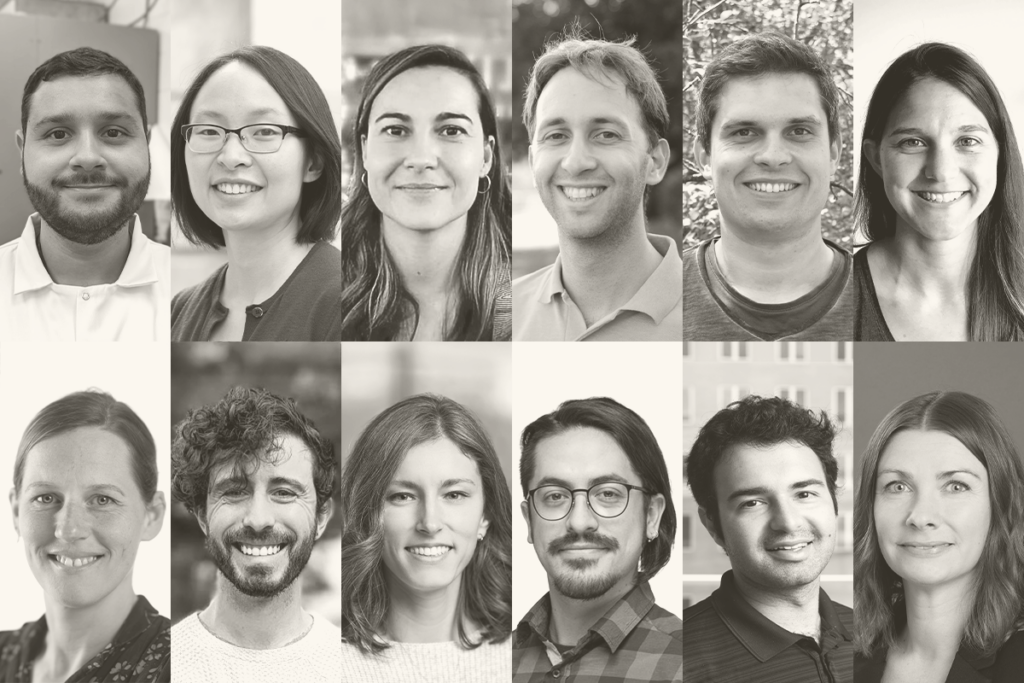
The Transmitter’s New Lab Directory
By
Francisco J. Rivera Rosario
15 November 2025 | 21 min read

The buzziest neuroscience papers of 2023, 2024
By
Calli McMurray, Francisco J. Rivera Rosario
15 November 2025 | 18 min read
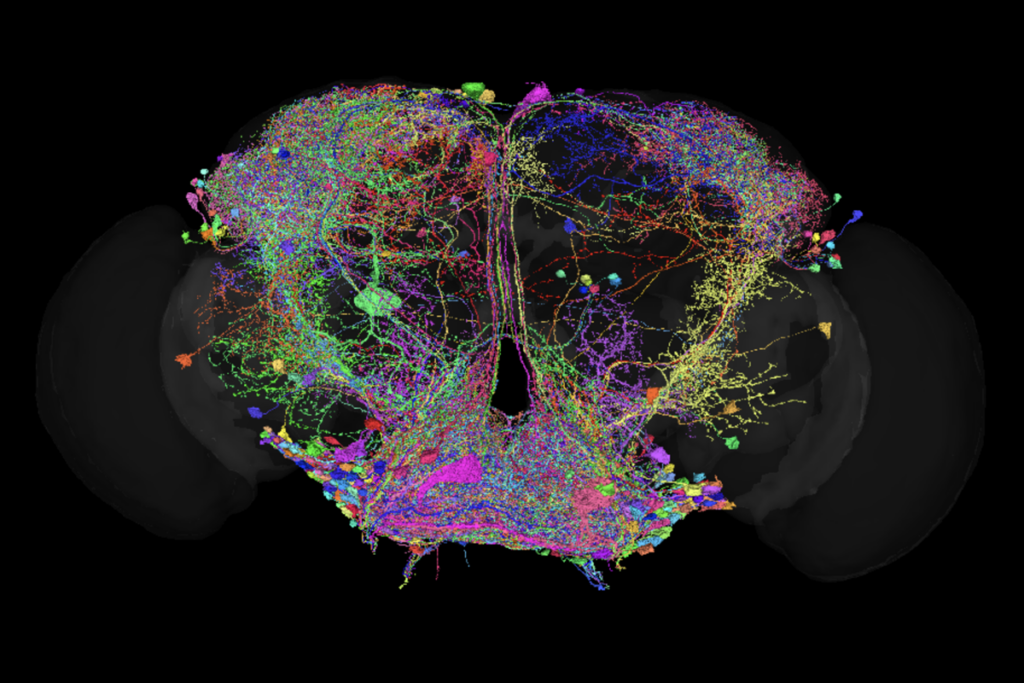
One year of FlyWire: How the resource is redefining Drosophila research
By
Francisco J. Rivera Rosario
7 October 2025 | 17 min read
Education
- M.S. in biomedical sciences, Albert Einstein College of Medicine
- M.S. in molecular biotechnology, Interamerican University of Puerto Rico
- B.S. in natural sciences, University of Puerto Rico, Cayey
Explore more from The Transmitter
Funding for animal research alternatives reaches ‘inflection point’
The United States and Europe are dedicating hundreds of millions of dollars in funding to advance novel alternative methods, but not all neuroscientists see this as a positive step.
Funding for animal research alternatives reaches ‘inflection point’
The United States and Europe are dedicating hundreds of millions of dollars in funding to advance novel alternative methods, but not all neuroscientists see this as a positive step.
By
Claudia López Lloreda
26 March 2026 | 4 min read
‘Friction-maxxing’ in school: Students should read primary literature, not AI summaries
Trainees need to learn how to identify a neuroscience paper’s major takeaways and integrate them into their understanding. This skill doesn’t come from outsourcing the work to large language models.
‘Friction-maxxing’ in school: Students should read primary literature, not AI summaries
Trainees need to learn how to identify a neuroscience paper’s major takeaways and integrate them into their understanding. This skill doesn’t come from outsourcing the work to large language models.
By
Nora Bradford
26 March 2026 | 5 min read
Head direction cells stably orient mice to outside world
The cells’ representations show little drift over time—unlike those of other navigation system neurons—and may provide a “rigid backbone” for more flexible sensory and cognitive responses.
Head direction cells stably orient mice to outside world
The cells’ representations show little drift over time—unlike those of other navigation system neurons—and may provide a “rigid backbone” for more flexible sensory and cognitive responses.
By
Angie Voyles Askham
25 March 2026 | 0 min watch