The big picture
Recent articles
Researchers ask colleagues to weigh in on important topics in the field.

Models at the speed of thought: How AI coding is reshaping theoretical neuroscience
Agentic coding makes it possible to specify a neuroscience model in hours instead of months. Seven neuroscientists weigh in on what that tectonic change may bring to the field.
Models at the speed of thought: How AI coding is reshaping theoretical neuroscience
Agentic coding makes it possible to specify a neuroscience model in hours instead of months. Seven neuroscientists weigh in on what that tectonic change may bring to the field.
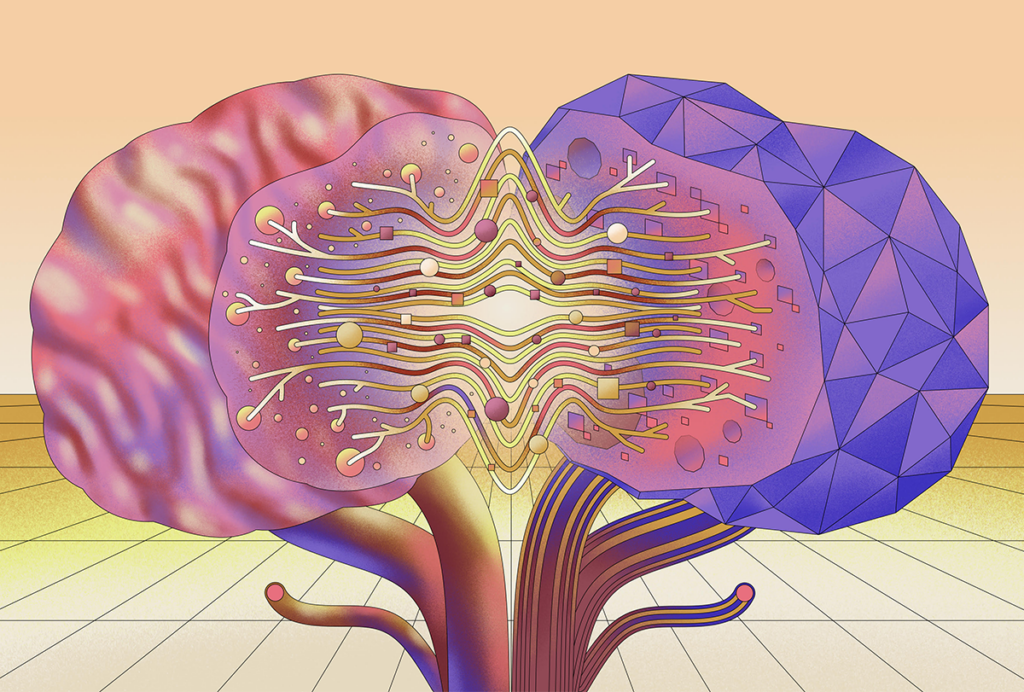
Trading places: What happens when neuroscience turns into machine learning, and machine learning turns into neuroscience?
Neuroscience has become increasingly concerned with prediction, and machine learning with causal explanation, with each field adopting methods from the other. I asked eight experts to weigh in on what we stand to learn from this exchange.
Trading places: What happens when neuroscience turns into machine learning, and machine learning turns into neuroscience?
Neuroscience has become increasingly concerned with prediction, and machine learning with causal explanation, with each field adopting methods from the other. I asked eight experts to weigh in on what we stand to learn from this exchange.

The visual system’s lingering mystery: Connecting neural activity and perception
Figuring out how the brain uses information from visual neurons may require new tools. I asked 10 neuroscientists what experimental and conceptual methods they think we’re missing.
The visual system’s lingering mystery: Connecting neural activity and perception
Figuring out how the brain uses information from visual neurons may require new tools. I asked 10 neuroscientists what experimental and conceptual methods they think we’re missing.
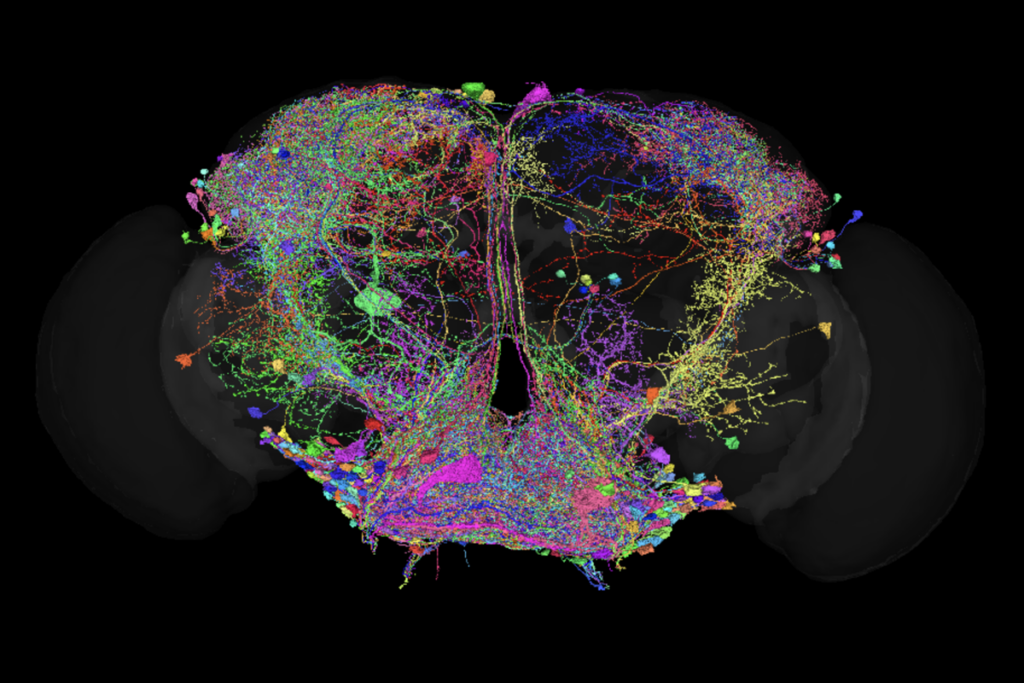
One year of FlyWire: How the resource is redefining Drosophila research
We asked nine neuroscientists how they are using FlyWire data in their labs, how the connectome has transformed the field and what new tools they would like to see in the future.
One year of FlyWire: How the resource is redefining Drosophila research
We asked nine neuroscientists how they are using FlyWire data in their labs, how the connectome has transformed the field and what new tools they would like to see in the future.
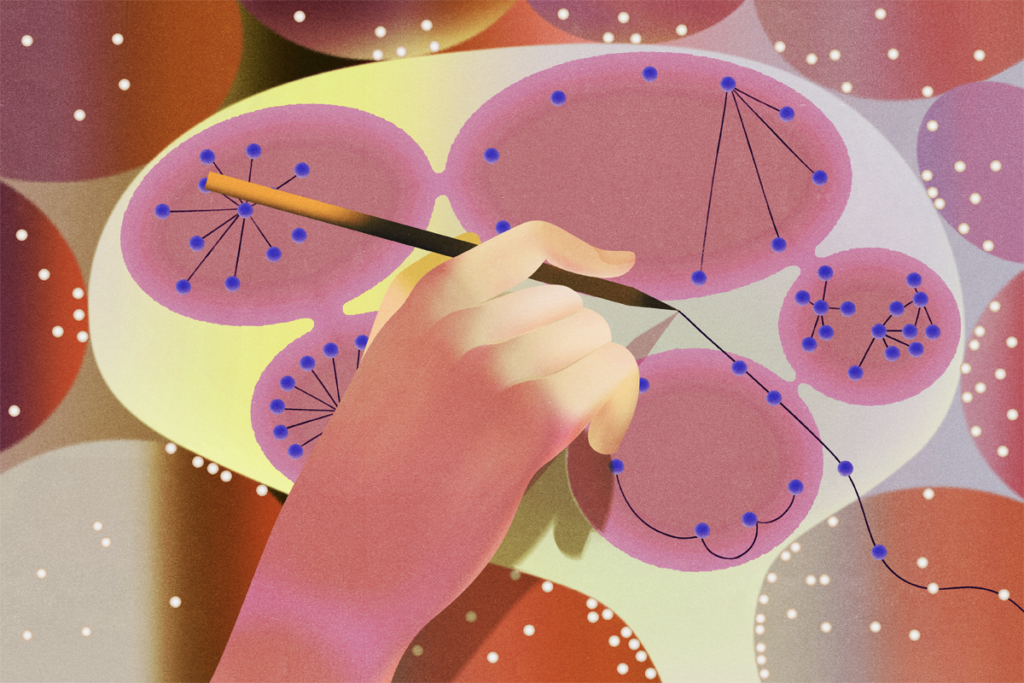
Beyond Newtonian causation in neuroscience: Embracing complex causality
The traditional mechanistic framework must give way to a richer understanding of how brains actually generate behavior over time.
Beyond Newtonian causation in neuroscience: Embracing complex causality
The traditional mechanistic framework must give way to a richer understanding of how brains actually generate behavior over time.
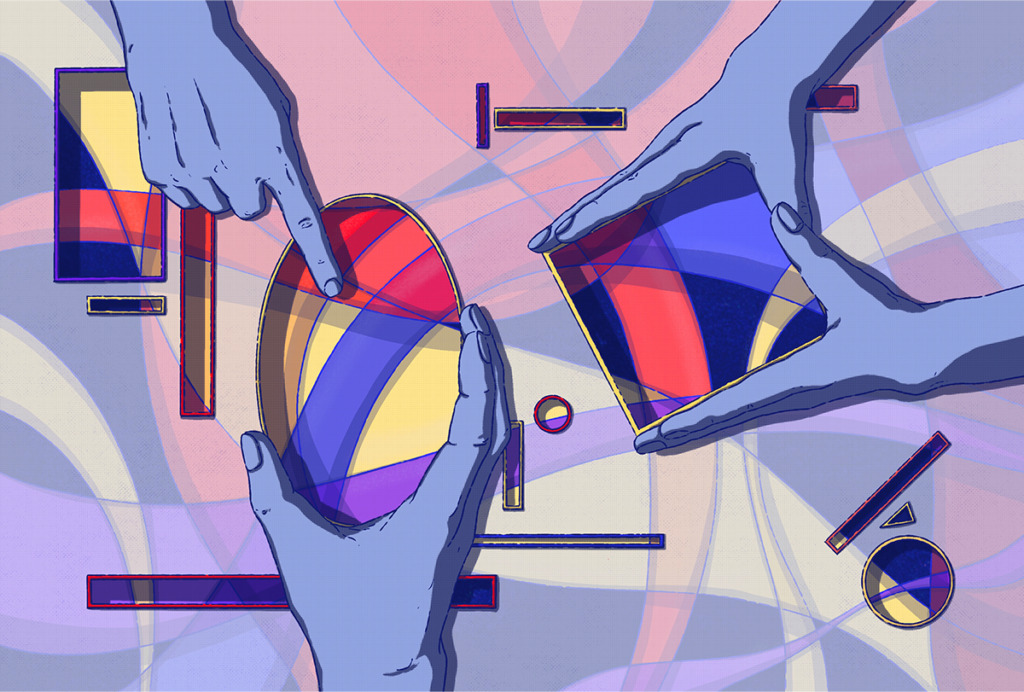
Emotion research has a communication conundrum
In 2025, the words we use to describe emotions matter, but their definitions are controversial. Here, I unpack the different positions in this space and the rationales behind them—and I invite 13 experts to chime in.
Emotion research has a communication conundrum
In 2025, the words we use to describe emotions matter, but their definitions are controversial. Here, I unpack the different positions in this space and the rationales behind them—and I invite 13 experts to chime in.
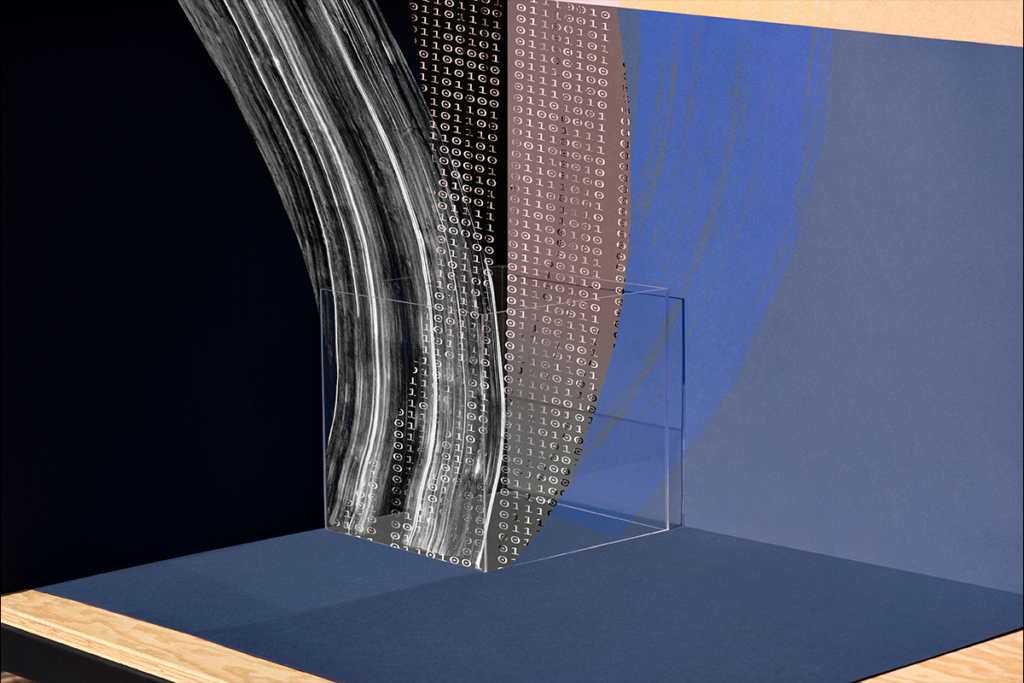
Accepting “the bitter lesson” and embracing the brain’s complexity
To gain insight into complex neural data, we must move toward a data-driven regime, training large models on vast amounts of information. We asked nine experts on computational neuroscience and neural data analysis to weigh in.
Accepting “the bitter lesson” and embracing the brain’s complexity
To gain insight into complex neural data, we must move toward a data-driven regime, training large models on vast amounts of information. We asked nine experts on computational neuroscience and neural data analysis to weigh in.

To keep or not to keep: Neurophysiology’s data dilemma
An exponential growth in data size presents neuroscientists with a significant challenge: Should we be keeping all raw data or focusing on processed datasets? I asked experimentalists and theorists for their thoughts.
To keep or not to keep: Neurophysiology’s data dilemma
An exponential growth in data size presents neuroscientists with a significant challenge: Should we be keeping all raw data or focusing on processed datasets? I asked experimentalists and theorists for their thoughts.

What makes memories last—dynamic ensembles or static synapses?
Teasing out how different subfields conceptualize central terms might help move this long-standing debate forward. I asked eight scientists to weigh in.
What makes memories last—dynamic ensembles or static synapses?
Teasing out how different subfields conceptualize central terms might help move this long-standing debate forward. I asked eight scientists to weigh in.
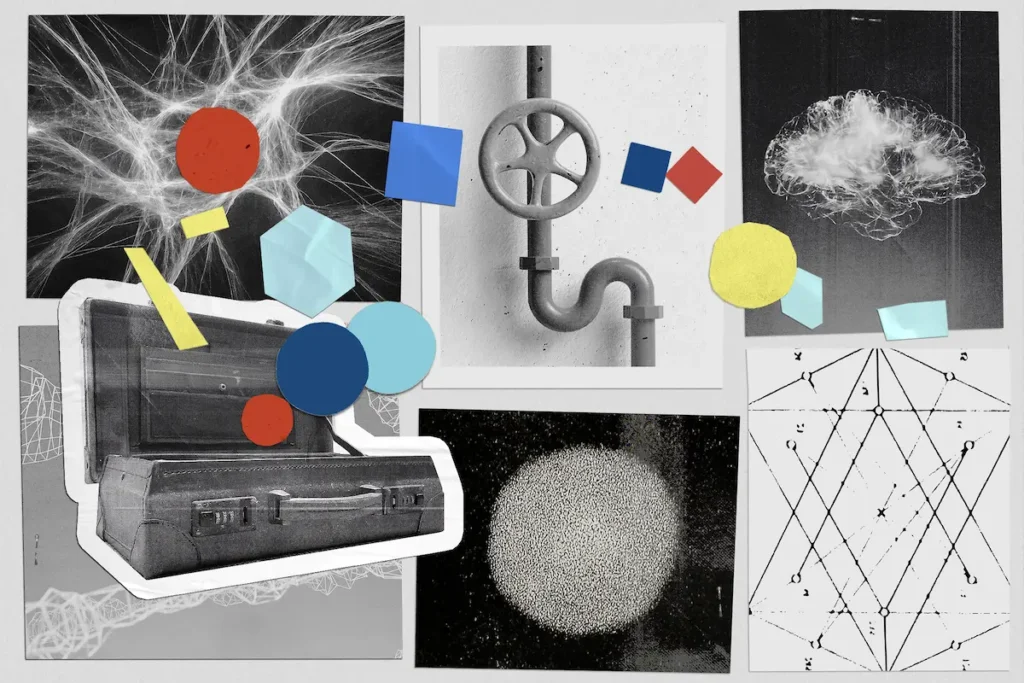
What are mechanisms? Unpacking the term is key to progress in neuroscience
Mechanism is a common and powerful concept, invoked in grant calls and publication guidelines. But scientists use it in different ways, making it difficult to clarify standards in the field. We asked nine scientists to weigh in.
What are mechanisms? Unpacking the term is key to progress in neuroscience
Mechanism is a common and powerful concept, invoked in grant calls and publication guidelines. But scientists use it in different ways, making it difficult to clarify standards in the field. We asked nine scientists to weigh in.
Explore more from The Transmitter
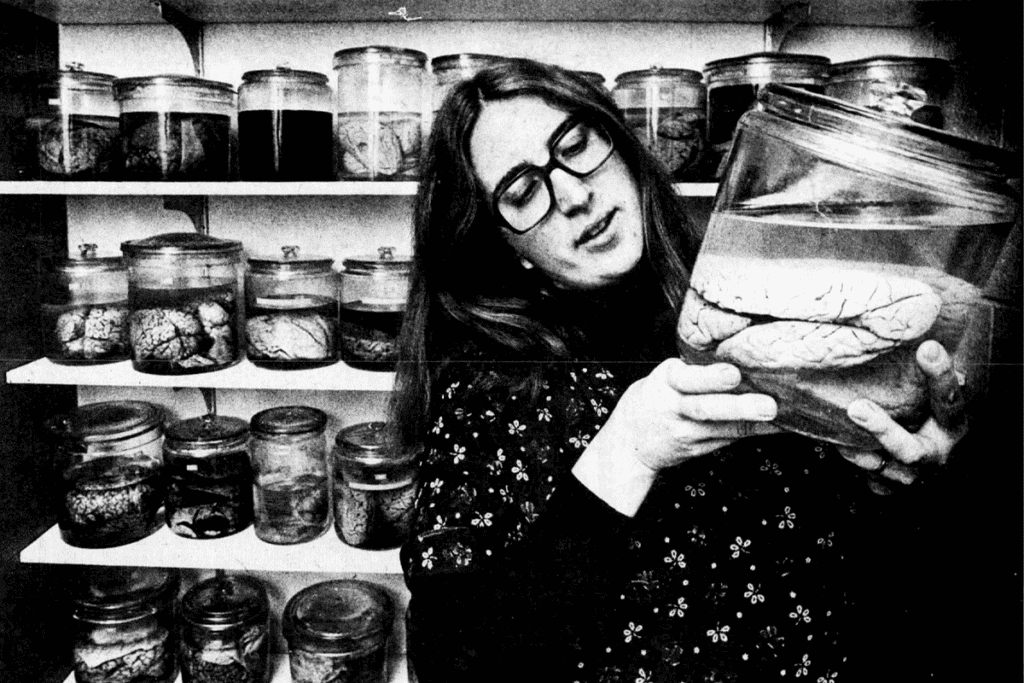
Remembering Barbara Finlay, ‘maverick’ of evolutionary neuroscience
Finlay, who died on 12 September, championed the idea that developmental constraints dictate how evolution sculpts brains, a concept she used to model the timing of hundreds of events and align them across mammalian species.
Remembering Barbara Finlay, ‘maverick’ of evolutionary neuroscience
Finlay, who died on 12 September, championed the idea that developmental constraints dictate how evolution sculpts brains, a concept she used to model the timing of hundreds of events and align them across mammalian species.
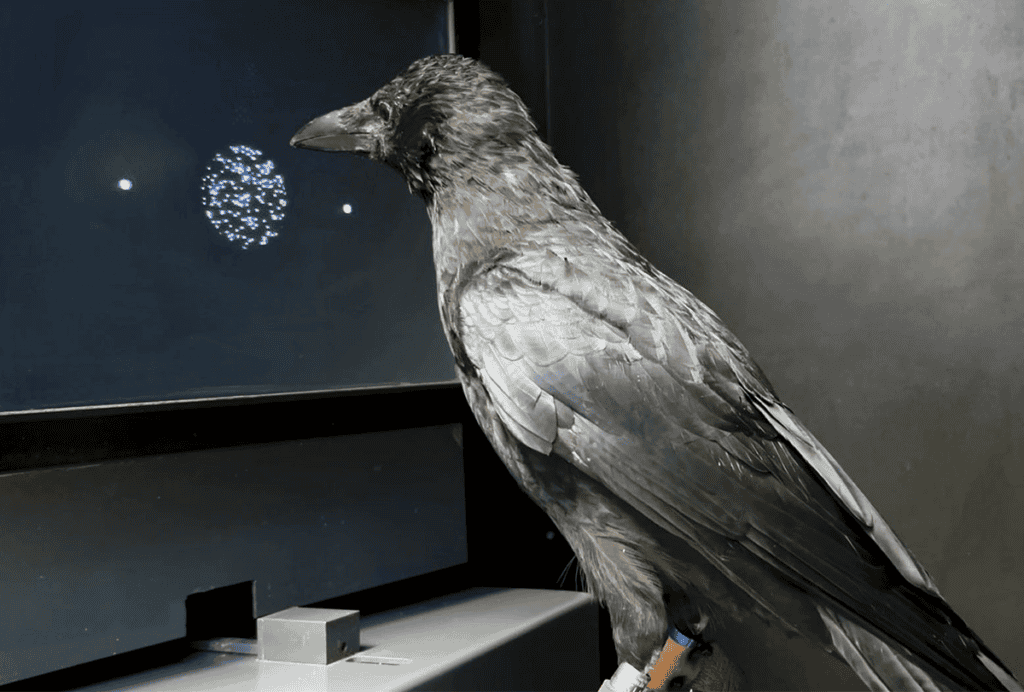
Crows have brains ‘in the fast lane’
The birds accurately complete decision-making tasks twice as fast as primates, although their endbrains look considerably different.
Crows have brains ‘in the fast lane’
The birds accurately complete decision-making tasks twice as fast as primates, although their endbrains look considerably different.

Prevalence of profound autism declines with new definition
The updated, more precise definition used in a CDC study includes adaptive scores.
Prevalence of profound autism declines with new definition
The updated, more precise definition used in a CDC study includes adaptive scores.