Genevieve Konopka is associate professor of neuroscience at the University of Texas Southwestern in Dallas.
Genevieve Konopka
Associate professor
University of Texas Southwestern
From this contributor

What the FOX says: Genes that bridge autism, language
To understand the role of FOXP2, a gene that links autism and language, researchers should look at its partner genes and at language models such as songbirds, say Genevieve Konopka and Todd Roberts.
What the FOX says: Genes that bridge autism, language
By
Genevieve Konopka, Todd Roberts
29 April 2014 | 5 min read
Explore more from The Transmitter
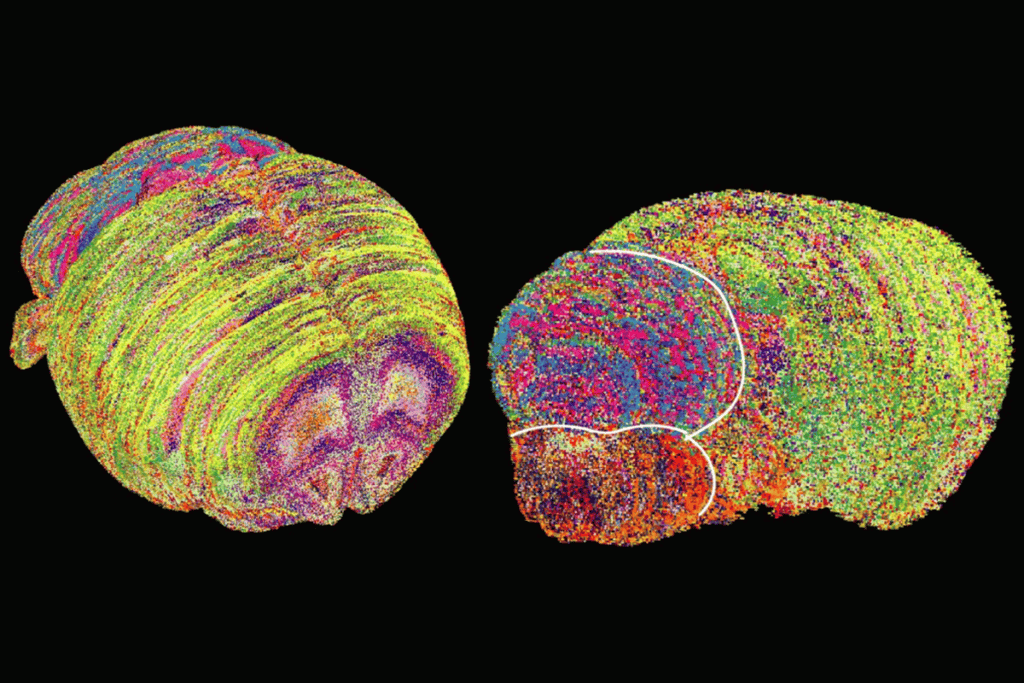
Lipids enter brain mapping limelight
Two new studies, including the first whole-brain lipid atlas in mice, uncover unforeseen complexity and influence during pregnancy and aging.
Lipids enter brain mapping limelight
Two new studies, including the first whole-brain lipid atlas in mice, uncover unforeseen complexity and influence during pregnancy and aging.
By
Lauren Schenkman
27 October 2026 | 6 min read
Behavioral phenomics in zebrafish; and more
Here is a roundup of autism-related news and research spotted around the web for the week of 26 October.
Behavioral phenomics in zebrafish; and more
Here is a roundup of autism-related news and research spotted around the web for the week of 26 October.
By
Jill Adams
27 October 2026 | 2 min read

Neuroscience gave AI its start. What happens now?
David Sussillo maps the two fields' divergent paths, and where they might still meet.
Neuroscience gave AI its start. What happens now?
David Sussillo maps the two fields' divergent paths, and where they might still meet.
By
Emily Singer
27 October 2026 | 10 min read