Gerald Crabtree
Professor of Pathology and Developmental Biology
Stanford University
From this contributor

Emerging importance of chromatin in autism risk
Sequencing studies over the past few years have made a dramatic and unexpected discovery: Many of the mutations in individuals with autism are in genes that regulate chromatin, which helps package DNA in the cell nucleus, say Gerald Crabtree and Aryaman Shalizi.
Emerging importance of chromatin in autism risk
Explore more from The Transmitter
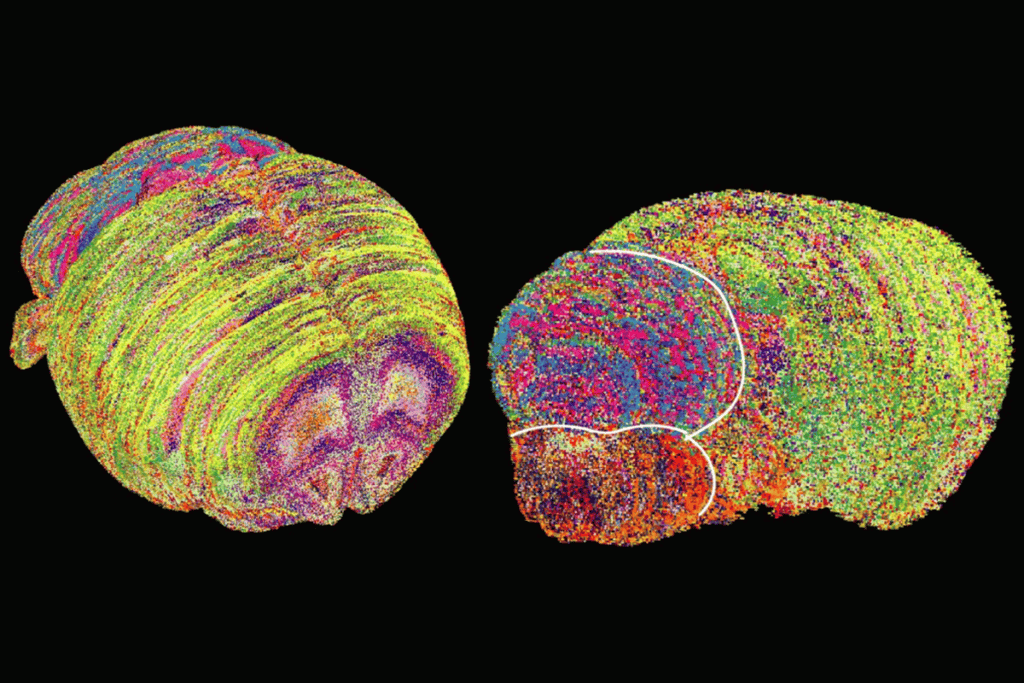
Lipids enter brain mapping limelight
Two new studies, including the first whole-brain lipid atlas in mice, uncover unforeseen complexity and influence during pregnancy and aging.
Lipids enter brain mapping limelight
Two new studies, including the first whole-brain lipid atlas in mice, uncover unforeseen complexity and influence during pregnancy and aging.
Behavioral phenomics in zebrafish; and more
Here is a roundup of autism-related news and research spotted around the web for the week of 26 October.
Behavioral phenomics in zebrafish; and more
Here is a roundup of autism-related news and research spotted around the web for the week of 26 October.

Neuroscience gave AI its start. What happens now?
David Sussillo maps the two fields' divergent paths, and where they might still meet.
Neuroscience gave AI its start. What happens now?
David Sussillo maps the two fields' divergent paths, and where they might still meet.