Greg Boustead
Community Manager
Spectrum
From this contributor

Takeaways from IMFAR 2015
Scientists and the autism community come together for the 2015 International Meeting for Autism Research in Salt Lake City, Utah.
Reactions from IMFAR 2015
Tune in for daily updates and reactions from attendees at the 2015 International Meeting for Autism Research in Salt Lake City, Utah.
Dispatches from IMFAR 2015
These short reports from our journalists give you the inside scoop on developments at the 2015 International Meeting for Autism Research.
Dispatches from IMFAR 2015
Summer Institute for Autism Research: An online series
The International Society for Autism Research and SFARI.org together present a series of six weekly interactive presentations, intended for early-career investigators interested in autism research.
Summer Institute for Autism Research: An online series
Live Twitter chat from IMFAR 2015
On Friday, 15 May SFARI.org hosted a Twitter Q&A chat live from the floors of the 2015 International Meeting for Autism Research in Salt Lake City, Utah.
Explore more from The Transmitter
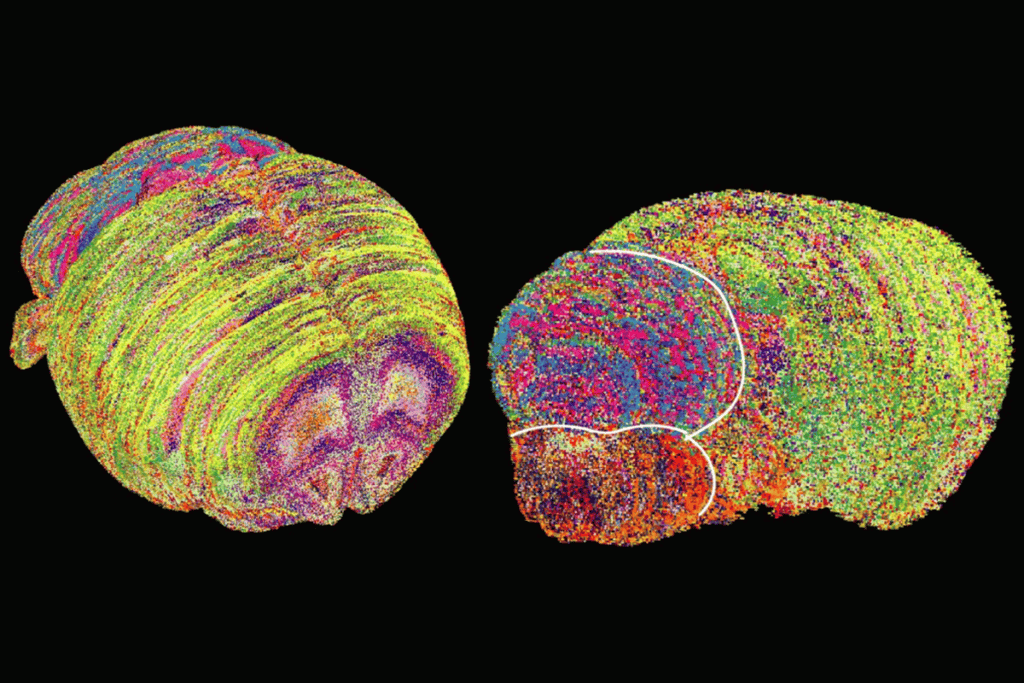
Lipids enter brain mapping limelight
Two new studies, including the first whole-brain lipid atlas in mice, uncover unforeseen complexity and influence during pregnancy and aging.
Lipids enter brain mapping limelight
Two new studies, including the first whole-brain lipid atlas in mice, uncover unforeseen complexity and influence during pregnancy and aging.
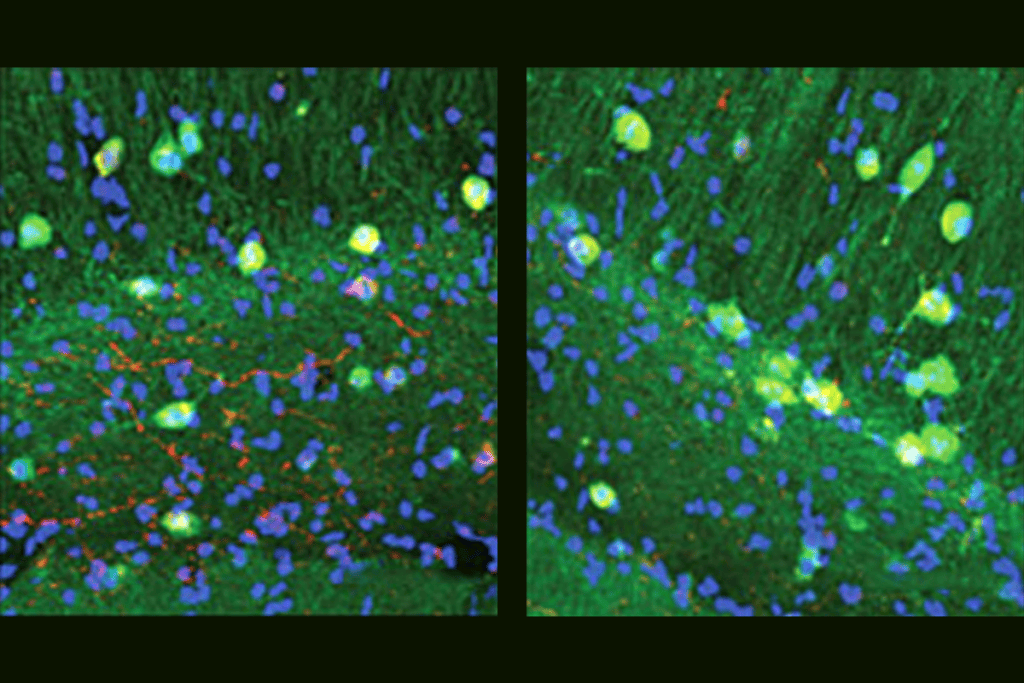
Behavioral phenomics in zebrafish; and more
Here is a roundup of autism-related news and research spotted around the web for the week of 26 October.
Behavioral phenomics in zebrafish; and more
Here is a roundup of autism-related news and research spotted around the web for the week of 26 October.
Neuroscience gave AI its start. What happens now?
David Sussillo maps the two fields' divergent paths, and where they might still meet.
Neuroscience gave AI its start. What happens now?
David Sussillo maps the two fields' divergent paths, and where they might still meet.