Itziar Barrios
Illustrator
From this contributor
Year in Review: Spectrum’s best in 2023
Here are five must-reads from our coverage of autism research over the past 12 months.
Letter to the editor: Researchers must bridge disconnect at ‘autism crossroads’
Two groups of researchers respond to Spectrum’s article about the power struggle among researchers, self-advocates and families, calling on their autistic and non-autistic colleagues to work collaboratively and promote equity in autism research.
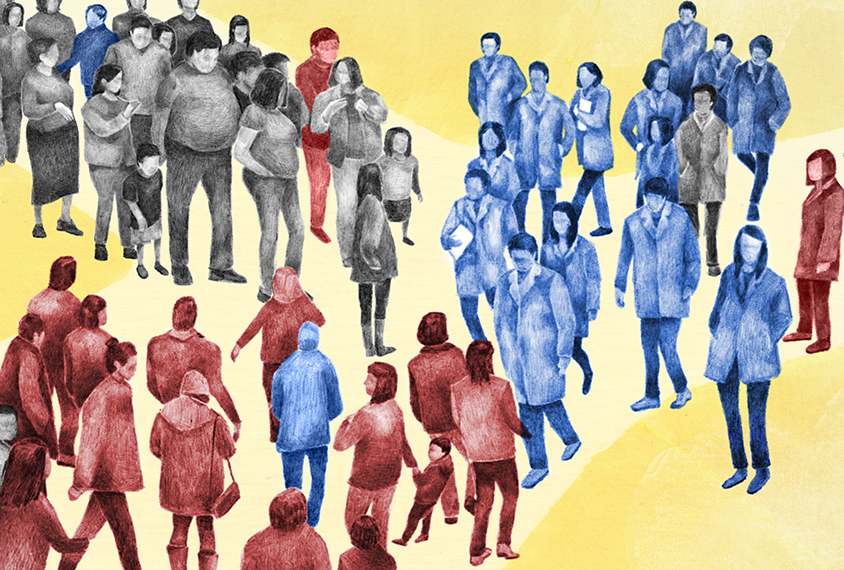
Autism research at the crossroads
The power struggle between researchers, autistic self-advocates and parents is threatening progress across the field.
Explore more from The Transmitter
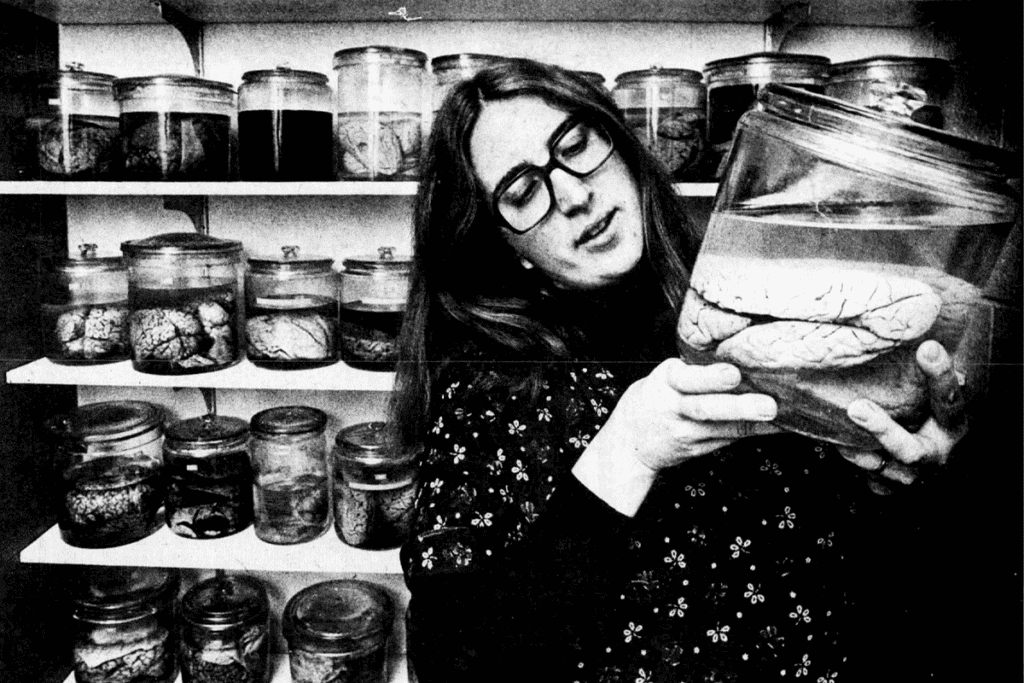
Remembering Barbara Finlay, ‘maverick’ of evolutionary neuroscience
Finlay, who died on 12 September, championed the idea that developmental constraints dictate how evolution sculpts brains, a concept she used to model the timing of hundreds of events and align them across mammalian species.
Remembering Barbara Finlay, ‘maverick’ of evolutionary neuroscience
Finlay, who died on 12 September, championed the idea that developmental constraints dictate how evolution sculpts brains, a concept she used to model the timing of hundreds of events and align them across mammalian species.
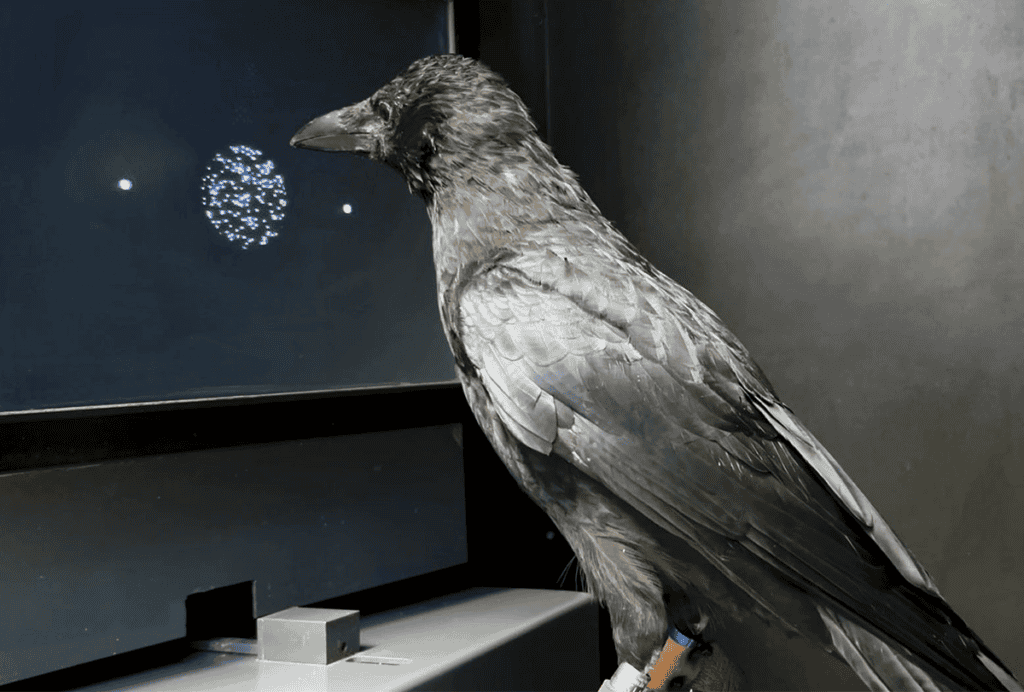
Crows have brains ‘in the fast lane’
The birds accurately complete decision-making tasks twice as fast as primates, although their endbrains look considerably different.
Crows have brains ‘in the fast lane’
The birds accurately complete decision-making tasks twice as fast as primates, although their endbrains look considerably different.

Prevalence of profound autism declines with new definition
The updated, more precise definition used in a CDC study includes adaptive scores.
Prevalence of profound autism declines with new definition
The updated, more precise definition used in a CDC study includes adaptive scores.