Kai Geitzen
From this contributor
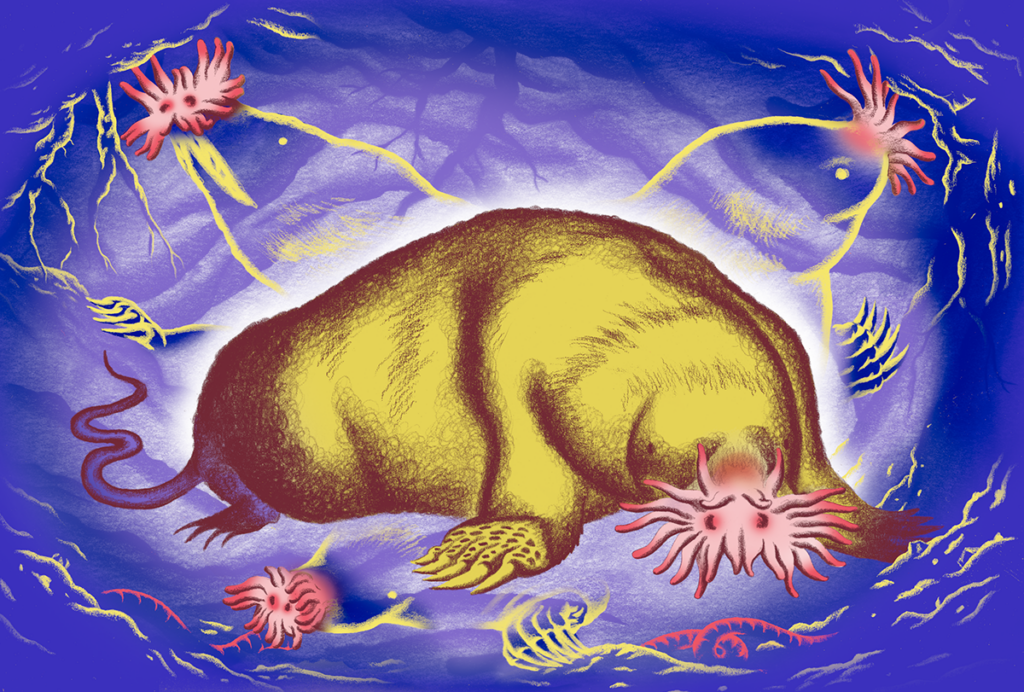
Neuro’s ark: Understanding fast foraging with star-nosed moles
“MacArthur genius” Kenneth Catania outlined the physiology behind the moles’ stellar foraging skills two decades ago. Next, he wants to better characterize their food-seeking behavior.
Neuro’s ark: Understanding fast foraging with star-nosed moles
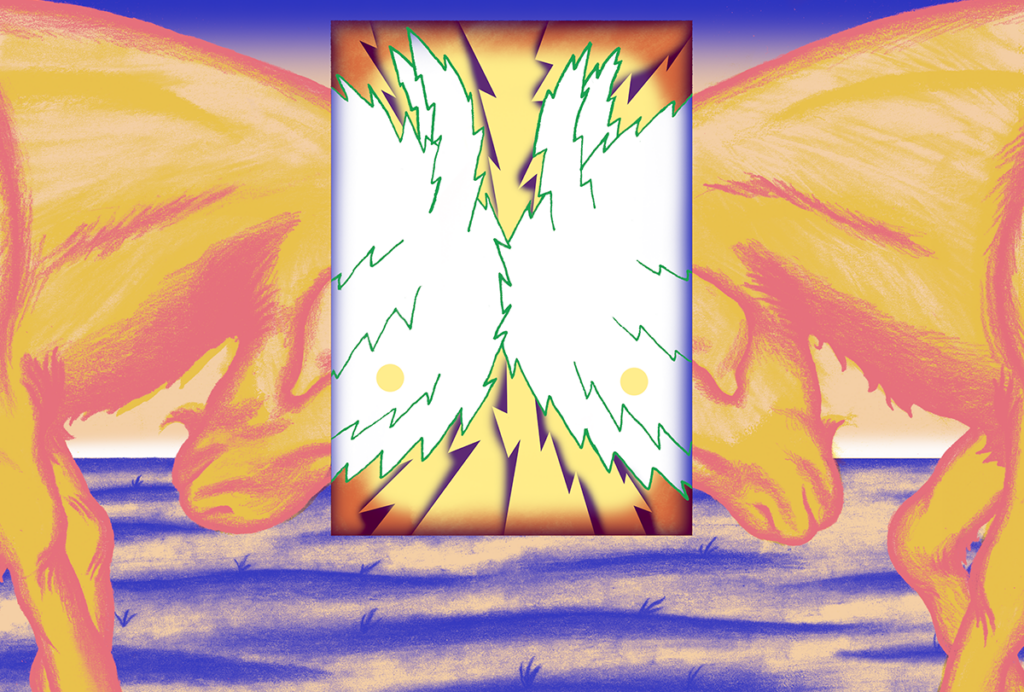
Neuro’s ark: How goats can model neurodegeneration
Since debunking an urban legend that headbutting animals don’t damage their brain, Nicole Ackermans has been investigating how the behavior correlates with neurodegeneration.
Neuro’s ark: How goats can model neurodegeneration
Explore more from The Transmitter
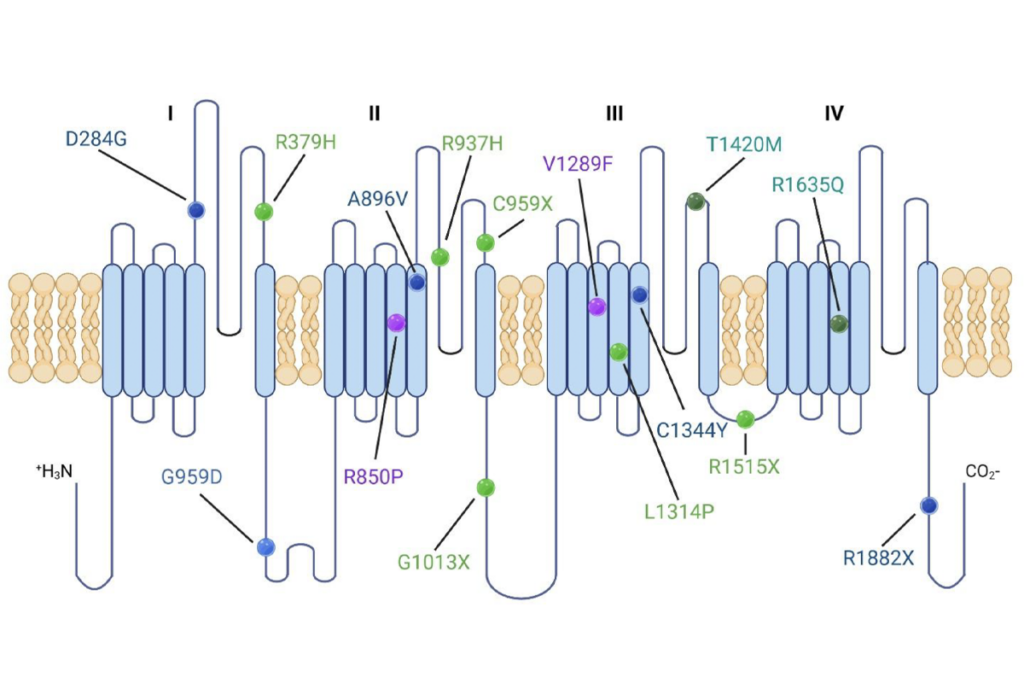
Portfolio of SCN2A gene variants, and more
Here is a roundup of autism-related news and research spotted around the web for the week of 9 March.
Portfolio of SCN2A gene variants, and more
Here is a roundup of autism-related news and research spotted around the web for the week of 9 March.
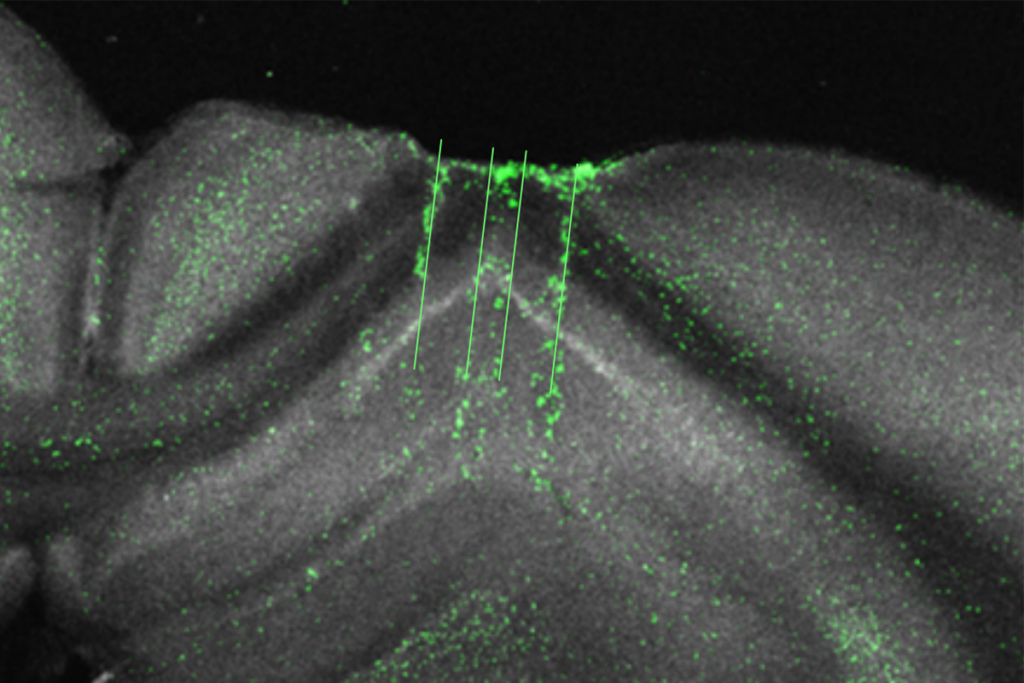
Hippocampus builds reputation as ‘general-purpose statistical learning machine’
New cross-species findings may help settle a long-standing debate about whether the hippocampus is required for passive learning.
Hippocampus builds reputation as ‘general-purpose statistical learning machine’
New cross-species findings may help settle a long-standing debate about whether the hippocampus is required for passive learning.
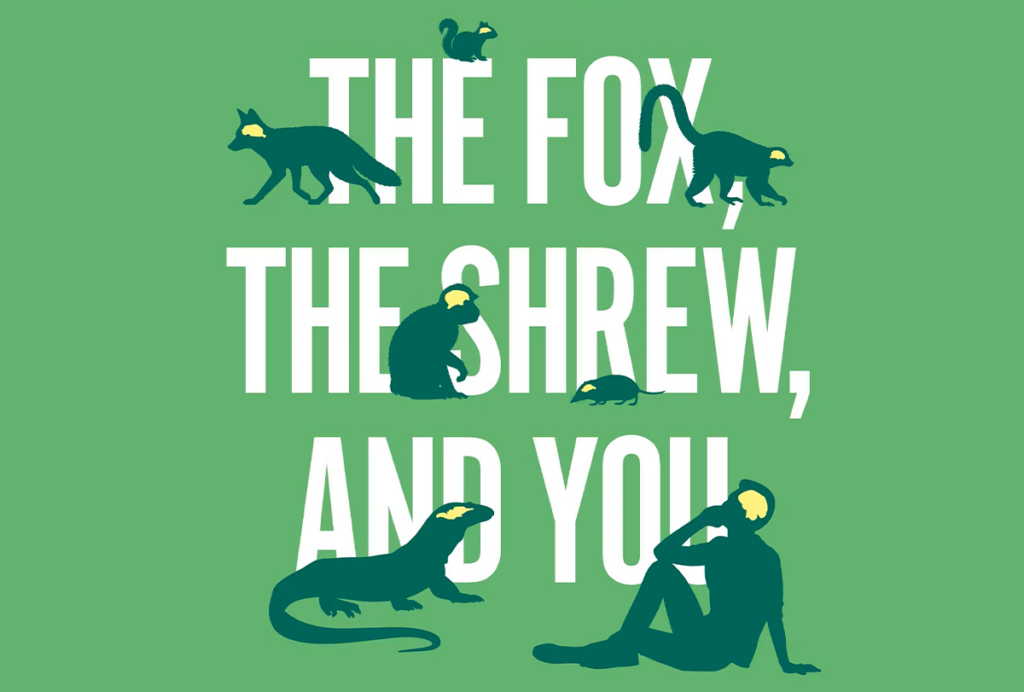
‘The Fox, the Shrew, and You: How Brains Evolved,’ an excerpt
In his new book, Rogier Mars provides a detailed account of animal and human brain evolution. In this excerpt from Chapter 1, he starts with the sea squirt—and why it needs the brain it eats after its larval stage.
‘The Fox, the Shrew, and You: How Brains Evolved,’ an excerpt
In his new book, Rogier Mars provides a detailed account of animal and human brain evolution. In this excerpt from Chapter 1, he starts with the sea squirt—and why it needs the brain it eats after its larval stage.