Mark Johnson is professor of experimental psychology and head of the psychology department at the University of Cambridge in the United Kingdom.

Mark Johnson
Professor
Birkbeck University of London
From this contributor

Autism may arise from brain’s response to early disturbances
Autism is not a developmental disorder, but rather the brain’s adaptive response to early genetic or environmental disturbances, says Mark Johnson.
Autism may arise from brain’s response to early disturbances
By
Mark Johnson
18 August 2015 | 6 min read
Executive confusion
Among siblings of children with autism, those with better prefrontal cortex functioning — observable as relatively strong executive functions for their age — are better able to compensate for atypicalities in other brain systems early in life, and are therefore less likely to receive a diagnosis of autism later in their development, argues Mark H. Johnson.
Explore more from The Transmitter
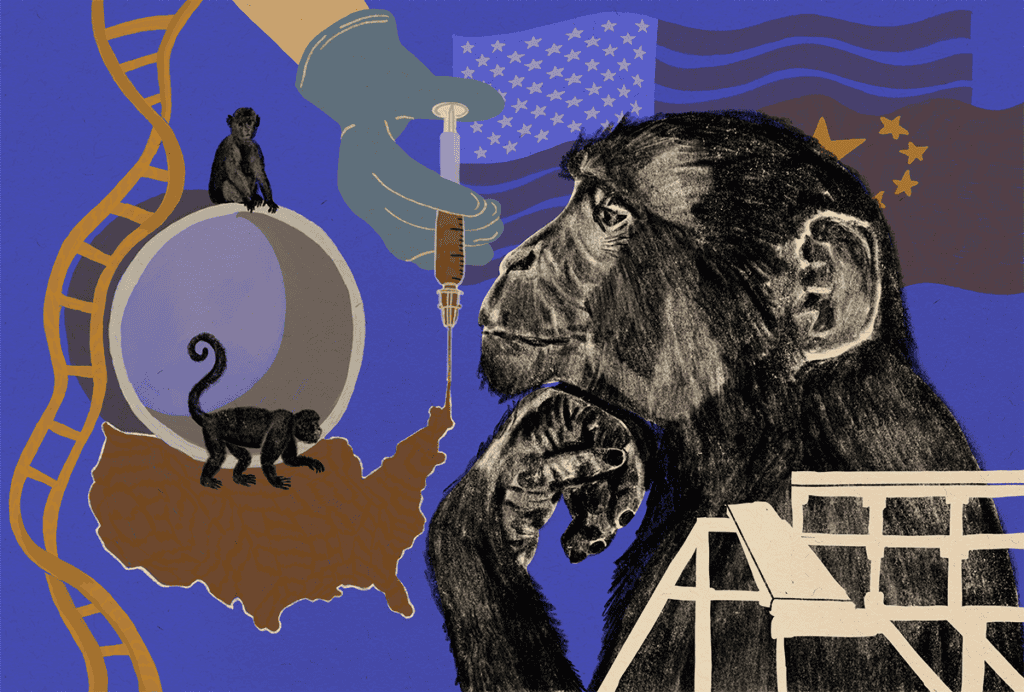
U.S. national primate research centers face an uncertain future
The facilities were meant to last 100 years. Four decades shy of that mark, amid flatlined funds and mounting political pressure, their directors are trying to find a path forward.
U.S. national primate research centers face an uncertain future
The facilities were meant to last 100 years. Four decades shy of that mark, amid flatlined funds and mounting political pressure, their directors are trying to find a path forward.
By
Calli McMurray
9 October 2026 | 12 min read
What if nonhuman primate research goes away?
As the U.S. government takes steps to stop using nonhuman primates in research, The Transmitter investigates what that shift could mean for neuroscience.
What if nonhuman primate research goes away?
As the U.S. government takes steps to stop using nonhuman primates in research, The Transmitter investigates what that shift could mean for neuroscience.
By
The Transmitter
9 October 2026 | 2 min read
The neuroscience questions that need nonhuman primates
The Transmitter asked 17 neuroscientists what questions might remain unanswered if support for nonhuman primate research continues to decline.
The neuroscience questions that need nonhuman primates
The Transmitter asked 17 neuroscientists what questions might remain unanswered if support for nonhuman primate research continues to decline.
By
Alissa de Chassey
9 October 2026 | 10 min read