Tom Stafford is professor of cognitive science at the University of Sheffield. His work applies insights from neuroscience, experimental design and data science to the topics decision-making, reasoning and bias. He is also senior research fellow at the Research on Research Institute, where he works with research funders to develop experiments that test improvements in the research funding system. Learn more.
Tom Stafford
Professor of cognitive science
University of Sheffield
From this contributor
Selected articles
- “Quantifying the benefits of using decision models with response time and accuracy data” | Behavior Research Methods
- “The experimental research funder’s handbook” | Research on Research Institute
- “The ideological Turing test: A behavioral measure of open-mindedness and perspective-taking” | Cognitive Science
Explore more from The Transmitter
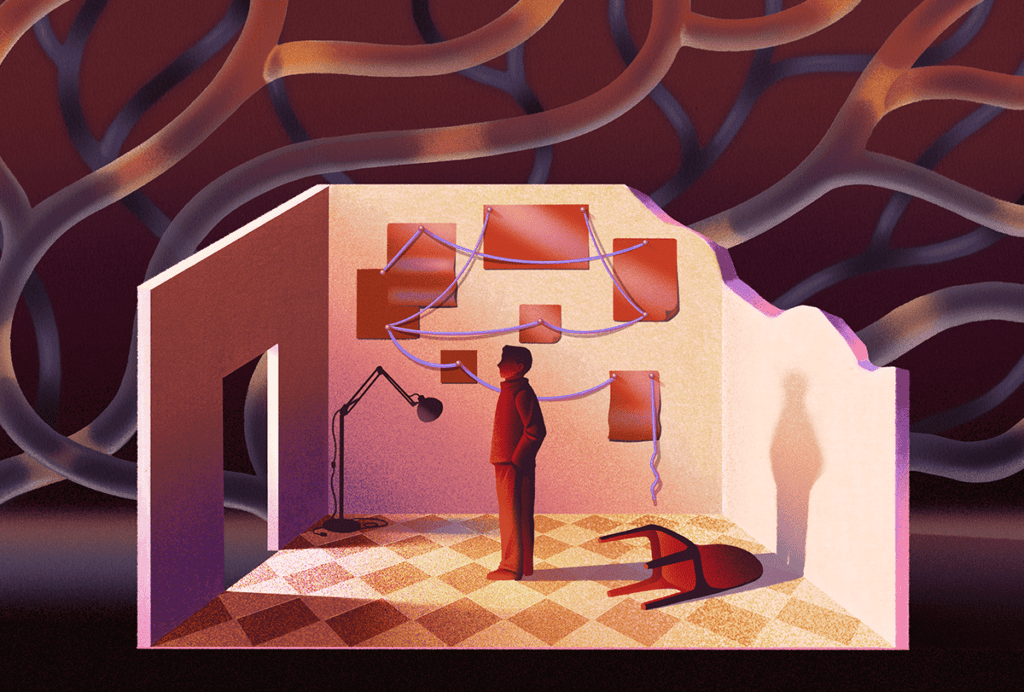
What to do when traditional mechanistic approaches no longer work
Many complex behaviors have stubbornly resisted mechanistic explanations. Deciphering them will require new approaches—and perhaps a new concept of “understanding.”
What to do when traditional mechanistic approaches no longer work
Many complex behaviors have stubbornly resisted mechanistic explanations. Deciphering them will require new approaches—and perhaps a new concept of “understanding.”
By
Bence Ölveczky
19 October 2026 | 8 min read
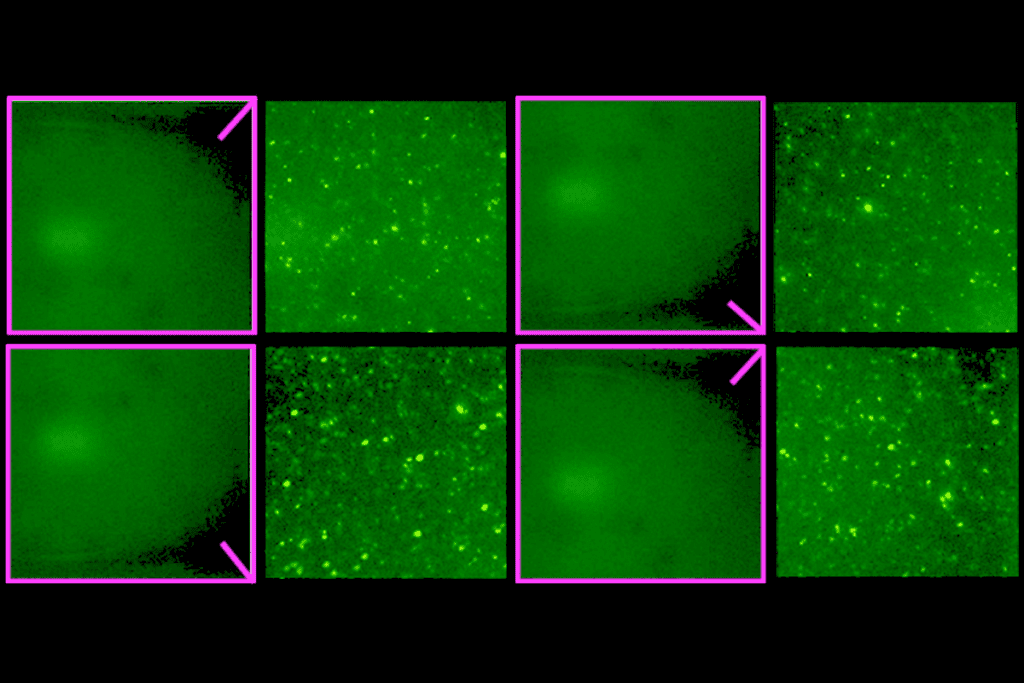
University probe leads to retraction of four neural tube studies
The University of Maryland conducted an internal investigation that identified image duplications and other data integrity issues in the studies, according to the retraction notices.
University probe leads to retraction of four neural tube studies
The University of Maryland conducted an internal investigation that identified image duplications and other data integrity issues in the studies, according to the retraction notices.
By
Claudia López Lloreda
16 October 2026 | 6 min read

Highly cited autism paper earns expression of concern over data duplications
The notice, published in Nature last week, also addressed an image duplication identified by a prominent research-integrity sleuth.
Highly cited autism paper earns expression of concern over data duplications
The notice, published in Nature last week, also addressed an image duplication identified by a prominent research-integrity sleuth.
By
Madeline Shaw
16 October 2026 | 4 min read