Wainesten Camargo da Silva is a Ph.D. candidate at Universidade Federal do Tocantins in Palmas, Brazil.

Wainesten Camargo da Silva
Ph.D. candidate
Universidade Federal do Tocantins
From this contributor
By
Wainesten Camargo da Silva
21 December 2022
6 min read

Cómo planificar políticas que apoyen la comunidad autista en Brasil: Lecciones de una experiencia en Estados Unidos
Brasil podría aprender de los desafíos y éxitos de otras naciones para convertirse en líder de planificación para las necesidades de personas autistas.
By
Wainesten Camargo da Silva
21 December 2022
5 min read
How to plan policies that support the autism community in Brazil: Lessons from a U.S. experience
Brazil could learn from the challenges and successes of other nations to become a leader in planning for the needs of autistic people.
By
Wainesten Camargo da Silva
21 December 2022
6 min read

Como planejar políticas que apoiem a comunidade autista no Brasil: lições da experiência dos EUA
O Brasil poderia aprender com os desafios e os sucessos de outros países para se tornar líder no planejamento das necessidades das pessoas autistas.
Explore more from The Transmitter
Commentary: Citation graphs may underestimate neuroscience’s influence on AI
An alternative, albeit less quantitative, way to trace this history is through the people who carried ideas between the fields.
Commentary: Citation graphs may underestimate neuroscience’s influence on AI
An alternative, albeit less quantitative, way to trace this history is through the people who carried ideas between the fields.
By
Anthony Zador
26 October 2026 | 5 min read
Commentary: The rising absolute number of neuro-inspired AI papers represents a substantial footprint
Many of the design choices present in the current generation of artificial-intelligence tools parallel purported properties of the brain.
Commentary: The rising absolute number of neuro-inspired AI papers represents a substantial footprint
Many of the design choices present in the current generation of artificial-intelligence tools parallel purported properties of the brain.
By
Kim Stachenfeld
26 October 2026 | 2 min read
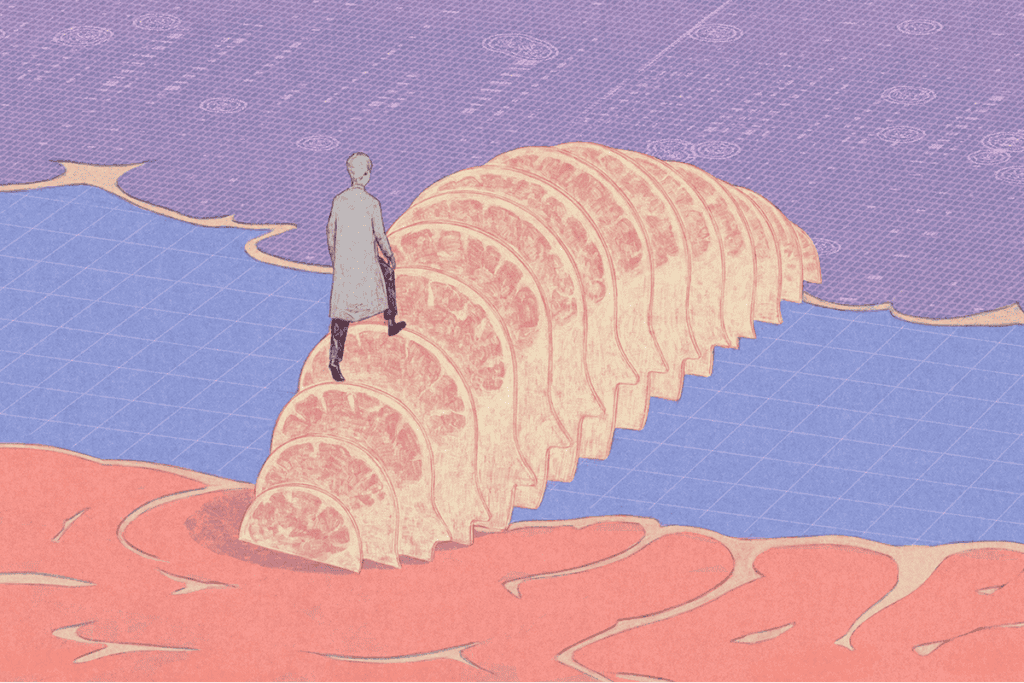
Examining the bridge between neuroscience and AI
A citation analysis reveals that the connection between the two fields is real and gaining momentum. But it’s also narrow and tool-heavy; we need to find ways to widen it.
Examining the bridge between neuroscience and AI
A citation analysis reveals that the connection between the two fields is real and gaining momentum. But it’s also narrow and tool-heavy; we need to find ways to widen it.
By
Renato Duarte
26 October 2026 | 12 min read