DYRK1A
Recent articles
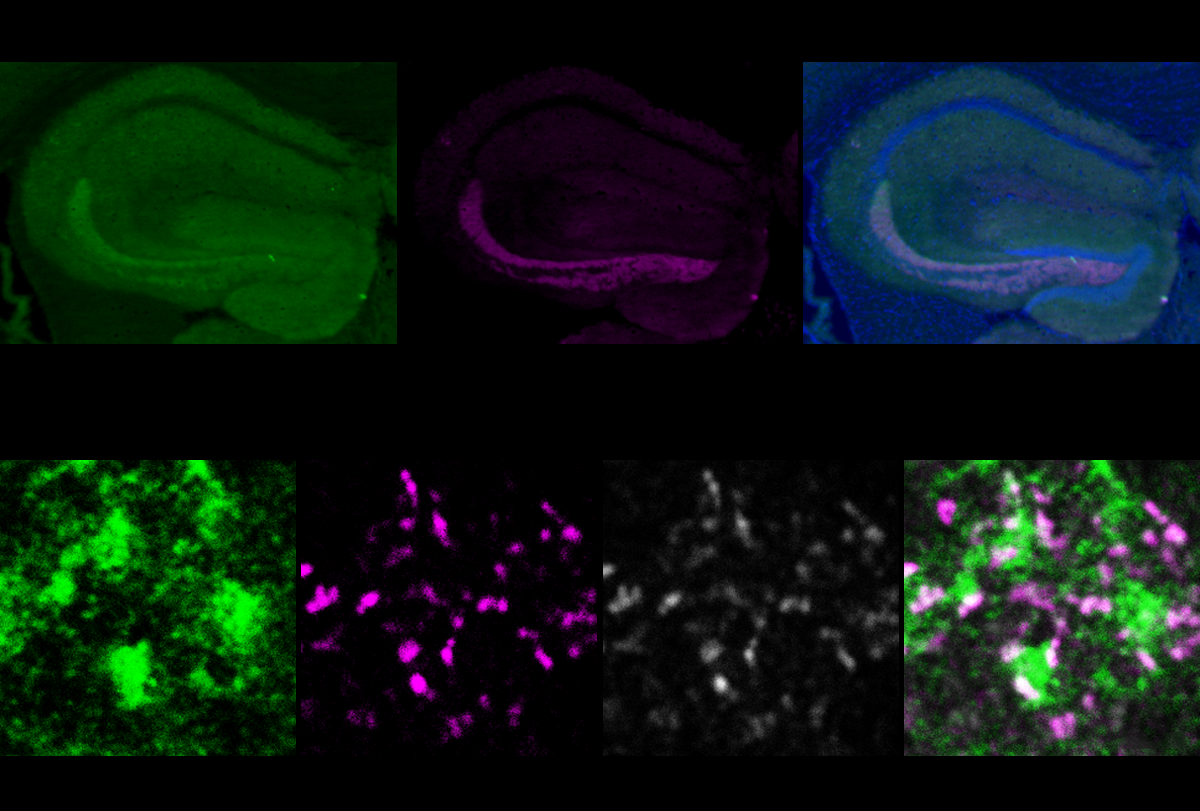
Some social issues in DYRK1A model mice stem from faulty inhibitory circuits
Alterations in inhibitory circuits and difficulties in social recognition characterize mice missing one copy of DYRK1A, a gene linked to autism.
Some social issues in DYRK1A model mice stem from faulty inhibitory circuits
Alterations in inhibitory circuits and difficulties in social recognition characterize mice missing one copy of DYRK1A, a gene linked to autism.
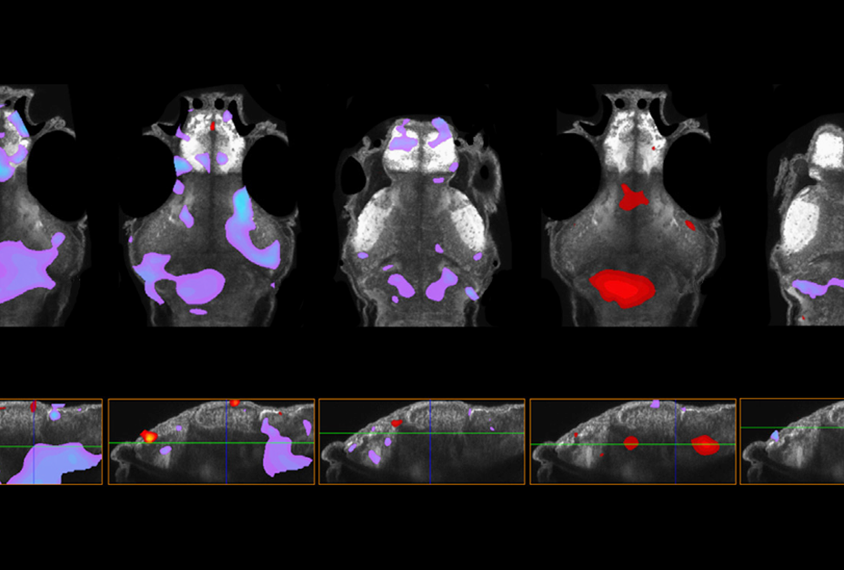
Autism-related genes converge on microglia and dopamine in zebrafish
The findings add to the growing evidence that genes with disparate functions can play similar roles in brain development.
Autism-related genes converge on microglia and dopamine in zebrafish
The findings add to the growing evidence that genes with disparate functions can play similar roles in brain development.
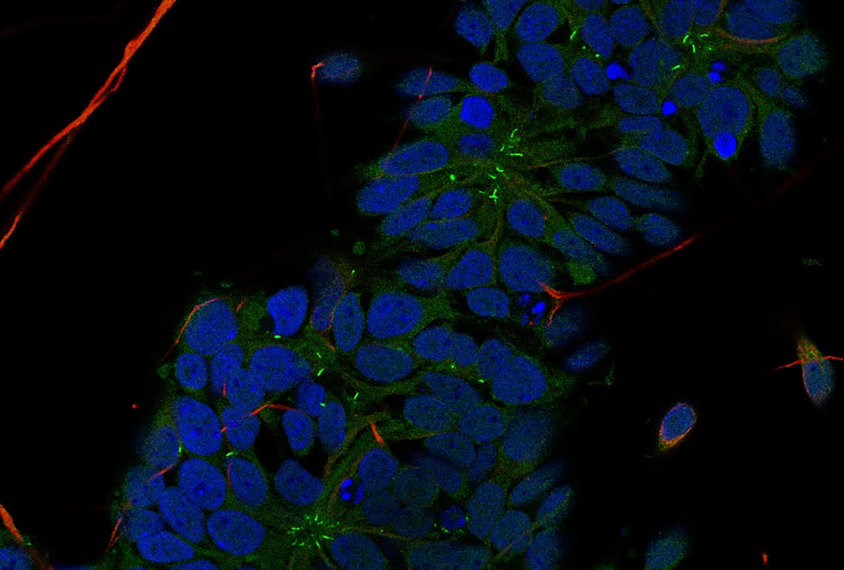
Autism and the cell’s antennae
Many autism-linked genes are somehow tied to cilia, the tiny hair-like sensors that stud a cell’s surface. But the question remains whether, and how, cilia differences contribute to the condition.
Autism and the cell’s antennae
Many autism-linked genes are somehow tied to cilia, the tiny hair-like sensors that stud a cell’s surface. But the question remains whether, and how, cilia differences contribute to the condition.
Screening zebrafish autism models: A quick take at SfN with Ellen Hoffman
Zebrafish with mutations in 10 different autism-linked genes show a range of unique and shared phenotypes.
Screening zebrafish autism models: A quick take at SfN with Ellen Hoffman
Zebrafish with mutations in 10 different autism-linked genes show a range of unique and shared phenotypes.

Mapping the futures of autistic children
Researchers can roughly project what autistic children's lives will look like years down the road. But how good is their crystal ball — and what are its benefits?
Mapping the futures of autistic children
Researchers can roughly project what autistic children's lives will look like years down the road. But how good is their crystal ball — and what are its benefits?
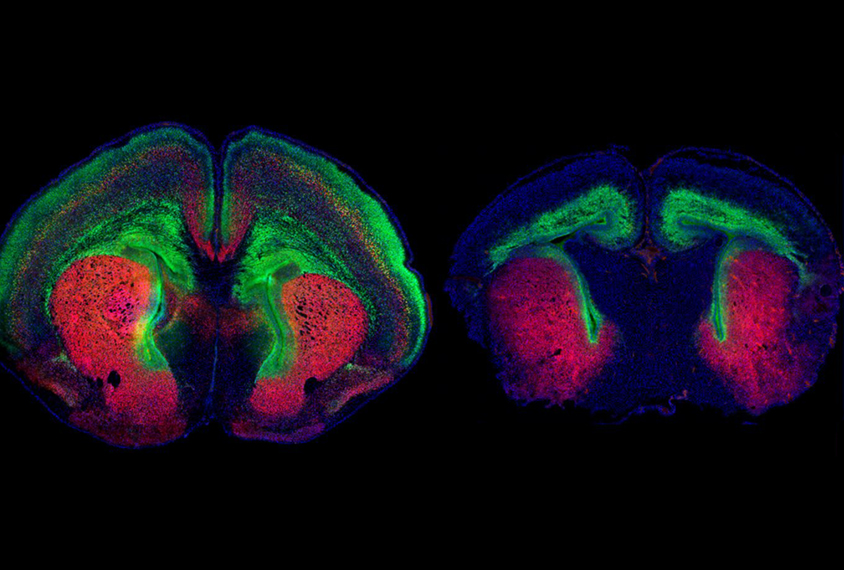
Jump-starting growth signaling reverses microcephaly in autism mouse model
A genetic therapy and an existing drug both restore typical brain size in mice missing DYRK1A, a top autism candidate gene, in the cerebral cortex, a new study shows. The animals typically have smaller brains than controls.
Jump-starting growth signaling reverses microcephaly in autism mouse model
A genetic therapy and an existing drug both restore typical brain size in mice missing DYRK1A, a top autism candidate gene, in the cerebral cortex, a new study shows. The animals typically have smaller brains than controls.

How microscopic ‘condensates’ in cells might contribute to autism
A controversial idea about how cells compartmentalize their contents into droplets — like beads of oil in water — could be key to understanding autism, says Julie Forman-Kay.
How microscopic ‘condensates’ in cells might contribute to autism
A controversial idea about how cells compartmentalize their contents into droplets — like beads of oil in water — could be key to understanding autism, says Julie Forman-Kay.
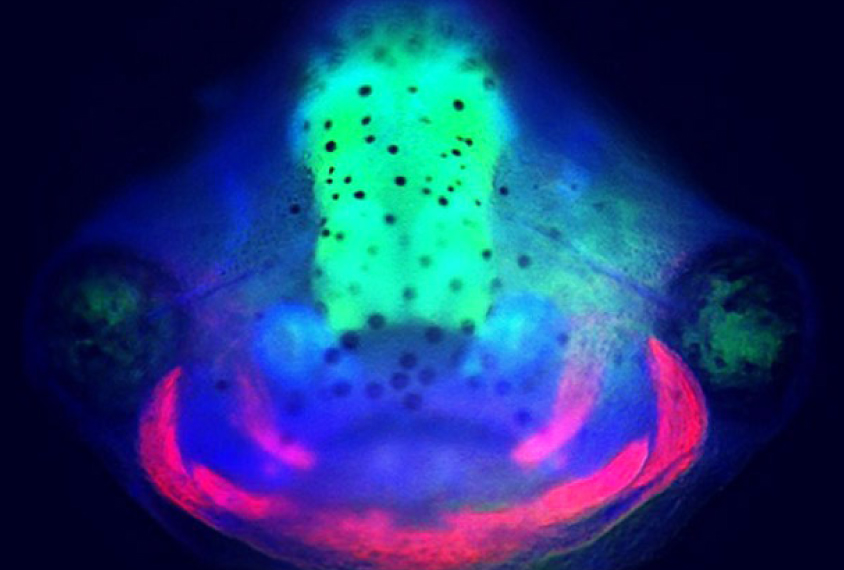
Mutations in frogs point to autism genes’ shared role in neurogenesis
Mutations in any of 10 autism-linked genes in frogs lead to the same overabundance of brain cells that develop into neurons; the sex hormone estrogen lowers this excess.
Mutations in frogs point to autism genes’ shared role in neurogenesis
Mutations in any of 10 autism-linked genes in frogs lead to the same overabundance of brain cells that develop into neurons; the sex hormone estrogen lowers this excess.

How families are driving the study of autism genes
Parents of children with rare autism-linked mutations are banding together for support and to join forces with scientists, accelerating the pace of research.
How families are driving the study of autism genes
Parents of children with rare autism-linked mutations are banding together for support and to join forces with scientists, accelerating the pace of research.
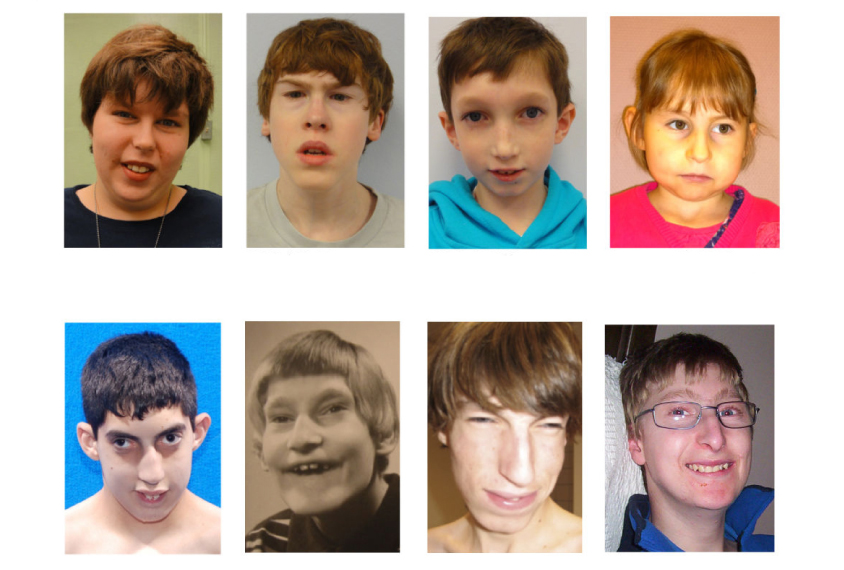
Small head, speech delay characterize mutations in autism gene
Children with mutations in a gene called DYRK1A, a leading autism candidate, have a distinct set of features, including intellectual disability, speech delay, motor problems and a small head.
Small head, speech delay characterize mutations in autism gene
Children with mutations in a gene called DYRK1A, a leading autism candidate, have a distinct set of features, including intellectual disability, speech delay, motor problems and a small head.
Explore more from The Transmitter

Why neural foundation models work, and what they might—and might not—teach us about the brain
These models can partly generalize across species, brain regions and tasks, suggesting that a set of machine-learnable rules govern neural population activity. But will we be able to understand them?
Why neural foundation models work, and what they might—and might not—teach us about the brain
These models can partly generalize across species, brain regions and tasks, suggesting that a set of machine-learnable rules govern neural population activity. But will we be able to understand them?

Error equation predicts brain’s ability to generalize
Four statistical measurements of neural network geometry capture how well brains and artificial networks use what they already know to solve new problems, a study suggests.
Error equation predicts brain’s ability to generalize
Four statistical measurements of neural network geometry capture how well brains and artificial networks use what they already know to solve new problems, a study suggests.

Embrace complexity to improve the translatability of basic neuroscience
Researchers must learn to view heterogeneity as an essential feature of the systems they study and a central consideration in experimental design, not a variable to control for or reduce.
Embrace complexity to improve the translatability of basic neuroscience
Researchers must learn to view heterogeneity as an essential feature of the systems they study and a central consideration in experimental design, not a variable to control for or reduce.